What Is Pneumonic Plague and How Dangerous Is It?
Por Miriam Gonzalez ·
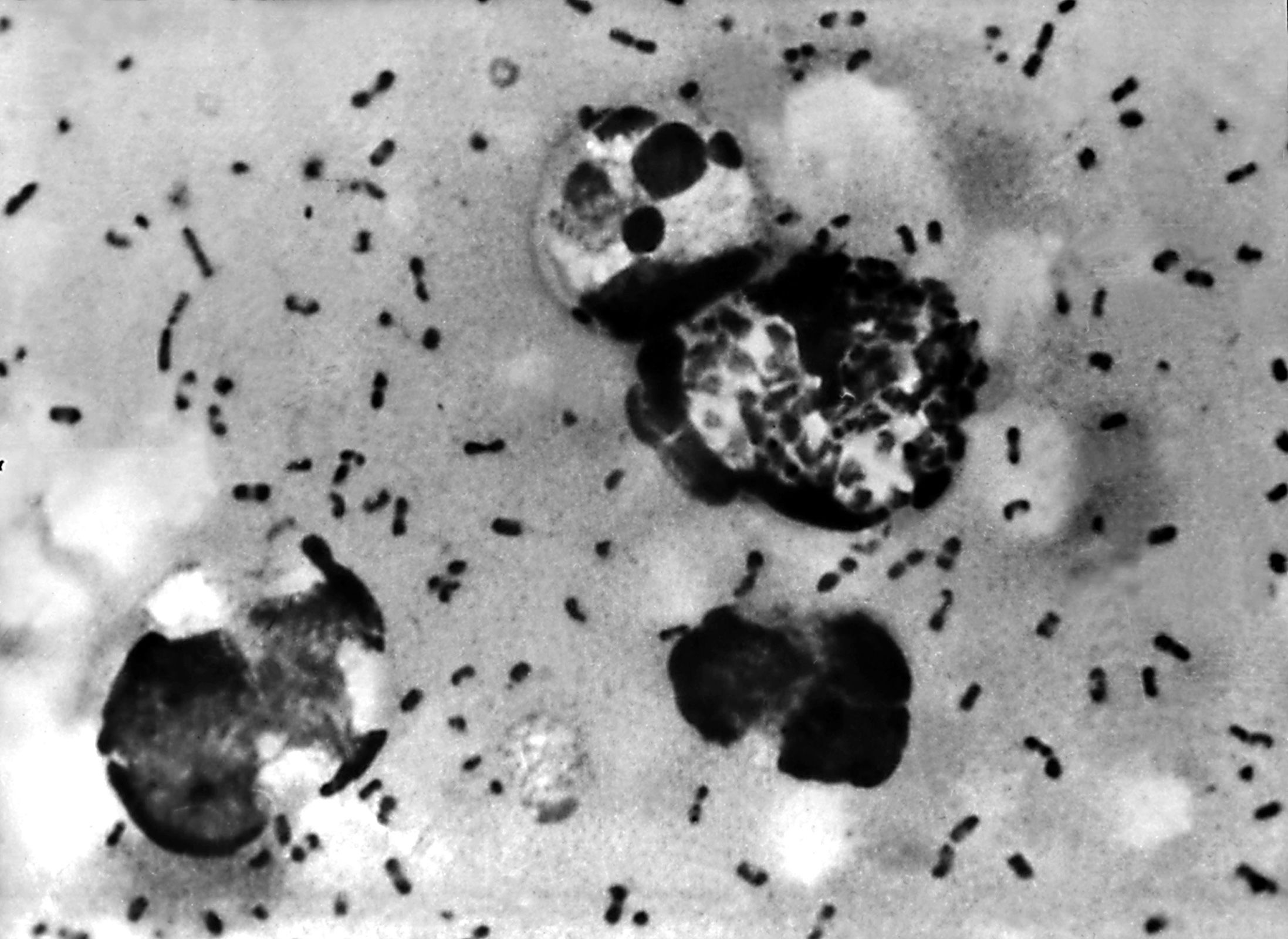
Symptoms of pneumonic plague can appear rapidly and cause a serious lung infection. Although rare, this disease requires immediate medical attention: without treatment, it can be fatal, but antibiotics administered promptly improve recovery chances.
The issue resurfaced and generated questions following the death of a researcher at a Russian institute dedicated to studying plague and other pathogens. Authorities are investigating whether that infection was related to her death; the suspicion does not yet amount to a confirmed diagnosis.
A bacterium that can affect different parts of the body
La peste neumónica mantiene en alerta a las autoridades sanitarias internacionales debido a que una trabajadora de un laboratorio perdió la vida presuntamente tras contagiarse con la bacteria.
https://t.co/nuale0LuCf— NMás (@nmas) October 6, 2026
Plague is caused by the bacterium Yersinia pestis, found primarily in small mammals and their fleas.
The pulmonary form, also called pneumonic, appears when the bacterium infects the lungs.
Other forms of the disease exist.
Bubonic plague affects lymph nodes and typically produces painful inflammation, while septicemic plague compromises the bloodstream.
An initially bubonic infection can progress to the lungs if untreated, according to the World Health Organization.
How pneumonic plague is transmitted
The pulmonary form can be transmitted directly between people through respiratory droplets expelled by an infected person when coughing.
It can also be acquired by inhaling droplets from a sick animal.
The CDC notes that this infection can develop after another form of plague spreads to the lungs.
For this reason, a history of contact with sick people or animals helps doctors identify possible exposure.
Symptoms of pneumonic plague requiring attention
🔹 ¿QUÉ ES Y CUÁLES SON LOS SÍNTOMAS DE LA PESTE PULMONAR? LA INFECCIÓN BACTERIANA QUE ENCIENDE ALARMAS SANITARIAS
🦠 Es una enfermedad infecciosa sumamente grave y la variante más virulenta causada por la bacteria Yersinia pestis, la cual ataca directamente los pulmones y puede transmitirse de persona a persona mediante gotículas respiratorias.
🌡️ El cuadro clínico destaca por la aparición repentina de fiebre alta, escalofríos intensos, dolor de cabeza, debilidad y malestar estomacal con vómitos que evolucionan con gran rapidez.
🫁 Entre sus manifestaciones respiratorias más críticas se encuentran la dificultad para respirar, dolor en el pecho y tos persistente que con frecuencia puede estar acompañada de sangre en la mucosidad.
⏳ Especialistas advierten que la enfermedad requiere atención médica inmediata, ya que sin el uso oportuno de antibióticos puede llegar a ser mortal en un lapso de 18 a 24 horas tras el inicio de los síntomas.
👉 Más información en Radio Fórmula
https://t.co/o4lYZVywJm
— Grupo Fórmula (@Radio_Formula) October 5, 2026
Warning signs include fever, headache, weakness, difficulty breathing, chest pain, and cough.
Some people develop bloody secretions.
Pneumonia can progress rapidly and the period between exposure and first symptoms can be as short as one day.
The CDC recommends seeking immediate medical attention for compatible symptoms, especially if there is a history of exposure.
Early treatment can save lives
Pneumonic plague is treated with antibiotics.
According to the CDC, treatment typically lasts between 10 and 14 days, though it may be extended depending on the patient’s progress.
When doctors suspect plague, they should begin treatment without waiting for lab confirmation.
Choice of medication and its administration depend on severity and individual patient conditions.
The WHO emphasizes that receiving treatment within the first 24 hours from symptom onset improves recovery chances.
That timeframe refers to disease onset, not exposure time.
What is known about the case investigated in Russia
La doctora Darya Shipilova habría tomado una foto y la posteó en su IG al momento de tirar el contenedor con peste pulmonar en un laboratorio de Siberia. #PandaNews https://t.co/GyqCVjSBbU
— Manuel del Amor (@PandaDelAmor22) October 6, 2026
The WHO reported on October 6 that it continued verifying the circumstances of the laboratory worker’s death in Irkutsk.
Until that point, the cause of death had not been officially confirmed and none of her monitored contacts had shown symptoms.
Its preliminary assessment placed the risk between moderate and low for Irkutsk, low for Russia as a whole, and very low for the WHO European region.
These estimates may change as the investigation progresses.
Can plague also occur in the United States?
A CDC report documented the death of a man in Arizona in July 2025.
He had work-related contact with sick cats, a possible exposure route that investigators could not confirm through testing of the animals.
None of the identified human contacts became ill.
To reduce risks, the WHO recommends avoiding handling dead animals and direct contact with infected tissues or fluids, in addition to taking precautions against fleas in areas where the bacterium circulates.
Archived as: Symptoms of pneumonic plague
With information from CNN Newsource