Salmonella Alert: Eggs, Jalapeños, and Animals Are Behind Multiple Outbreaks
Por Miriam Gonzalez ·
This summer, the United States is facing several salmonella outbreaks linked to both food and pets. Hundreds of people have fallen ill in dozens of states, there have been numerous hospitalizations, and at least one person has died, according to information from the Centers for Disease Control and Prevention (CDC) compiled by CNN.
Among the products under investigation are eggs produced in Texas and jalapeños grown in Sinaloa, Mexico. At the same time, health authorities have identified infections linked to backyard chickens and ducks, as well as a smaller outbreak associated with pet chameleons.
Salmonella is a common public health problem in the United States.The CDC estimates that this bacterium causes about 1.35 million infections and approximately 420 deaths each year.
Although food is one of the main sources of infection, certain animals can also transmit it.
More than 1.5 million dozen eggs recalled
The FDA classified a recent Whole Foods guacamole recall to its highest risk level due to possible salmonella contamination linked to jalapeños. https://t.co/1tfAkgWr2n
— USA TODAY (@USATODAY) August 29, 2026
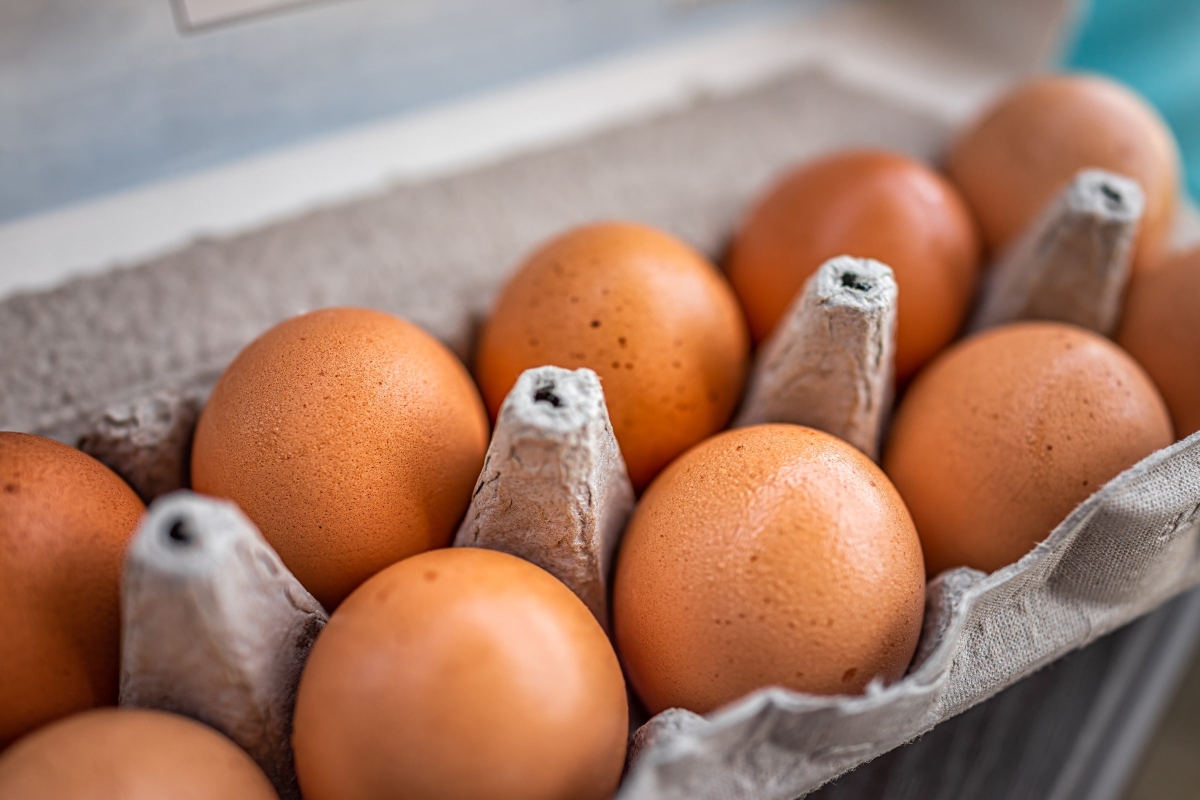
One of the outbreaks is linked to eggs produced in Texas that were distributed both in bulk and in supermarkets.
Midwest Poultry Services recalled more than 1.5 million dozen eggs due to a potential contamination risk.
According to information compiled by CNN, there had been 98 reported cases and 26 hospitalizations in 17 states.
The eggs were sold at Kroger stores in Texas and Louisiana, as well as at Brookshire Grocery stores in Texas, Oklahoma, Arkansas, and Louisiana. They were also sold at smaller retailers in those states, as well as in New Mexico and Mississippi.
Among the brands mentioned are Simple Truth, Brookshire’s, Country Morning, Kroger, and Cal-Maine.
The affected products had “sell by” or “best used by” dates ranging from July 20 to August 17.
However, the U.S. Food and Drug Administration (FDA) noted that this producer would not account for all the reported cases, so the investigation is continuing to identify other possible sources.
Jalapeños from Sinaloa linked to hundreds of cases
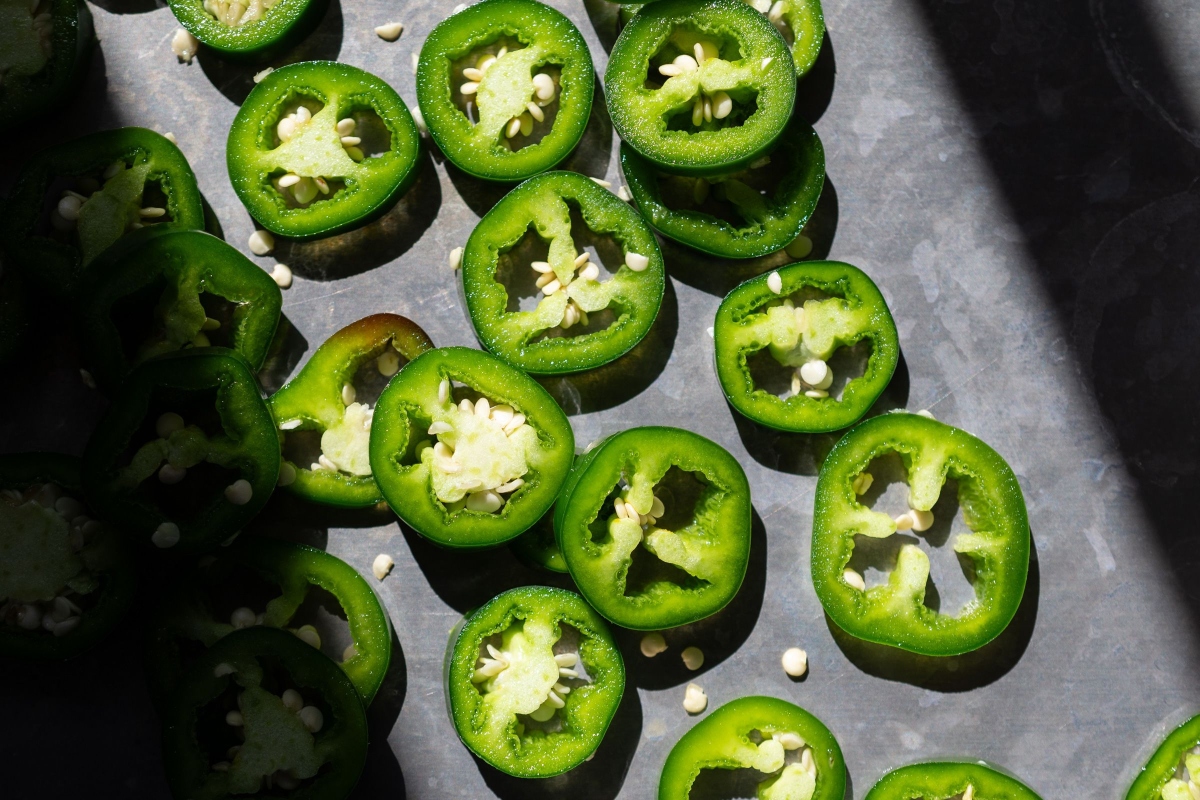
Another major outbreak is linked to jalapeños grown in Sinaloa, Mexico, and distributed by Coast Citrus Distributors.
As of August 5, the CDC had reported 345 cases in 27 states and at least 36 hospitalizations related to the outbreak.
The agency also warned that the actual number of people who are sick is likely to be considerably higher.
During the interviews conducted as part of the investigation, most of those affected said they had eaten at some point between June 14 and July 14 at Mexican-style restaurants, including Chipotle or Qdoba.
Both companies stated that they had stopped selling the products in question.
Taylor Farms also recalled products made with fresh jalapeños from Coast Citrus Distributors due to possible contamination.
The jalapeños were used in sauces, cheese dips, and sandwiches sold at stores such as Hannaford, Kroger, Target, Trader Joe’s, Walmart, and Whole Foods in dozens of states.
Taylor Fresh Foods stated that, as of that time, it was not aware of any illnesses directly linked to its products containing those jalapeños.
Backyard chickens and ducks: 814 people affected
Food isn’t the only cause for concern.
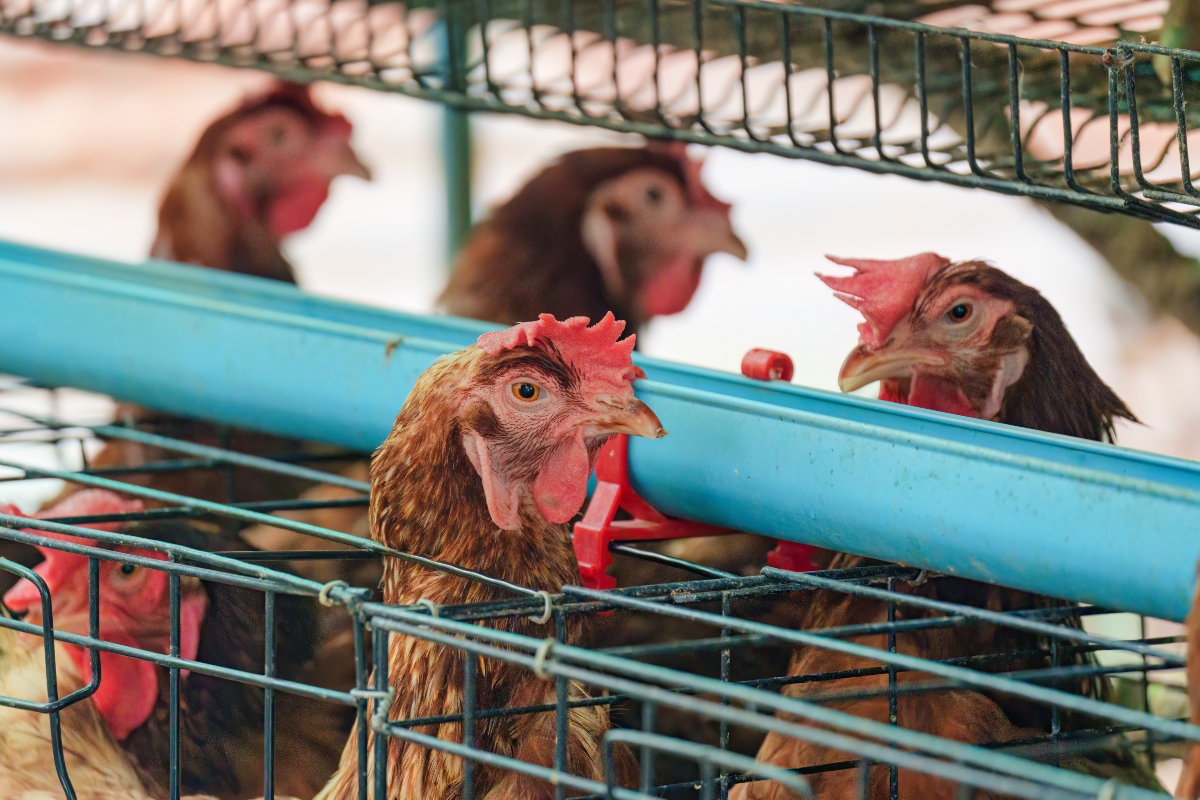
Eight multi-state outbreaks have been linked to contact with backyard birds, such as chickens and ducks.
In total, these outbreaks have affected 814 people in 44 states. A quarter of those who became ill were children under the age of 5.
As of July 27, 201 people had required hospital care and one had died.
The CDC also noted that the largest salmonella outbreak in the United States involved an unusually high number of people who reported having been in contact with ducks.
Chameleons have also been linked to infections
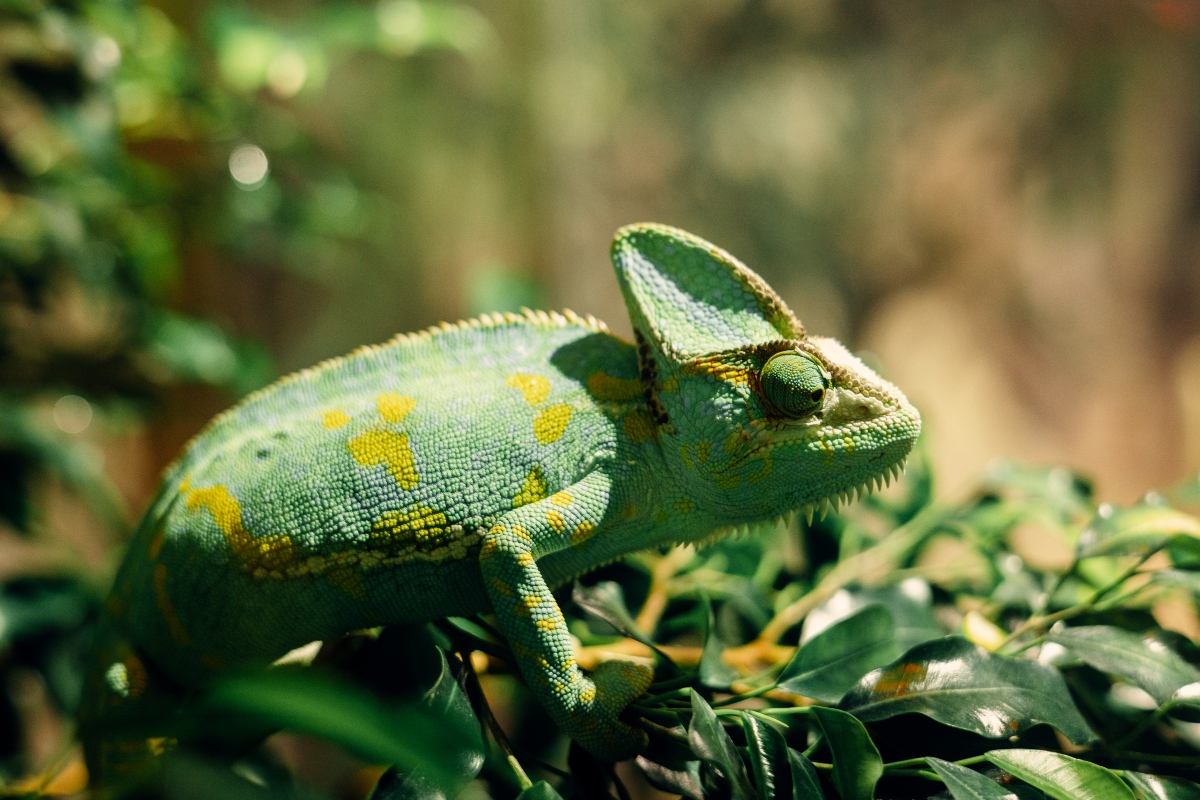
A much smaller outbreak was linked to Yemen chameleons, also known as veiled chameleons, purchased from various stores.
All cases involved children under the age of 3.
Two children fell ill in Nebraska, and one case was reported in Iowa, another in Oklahoma, and another in Texas.
Two of the children had to be hospitalized.
The investigation into that outbreak, which had begun in February, was declared complete in June.
What are the symptoms of salmonella?
🌐 Geopolitics | 🦠 The United States is facing a severe public health crisis. Outbreaks of E. coli and Salmonella have caused thousands of illnesses and several deaths. The investigation is focusing on common produce such as lettuce and jalapeños. 🥬🌶️ https://t.co/MMjY1nxNev
— El Economista (@eleconomista) August 30, 2026
Symptoms may begin anywhere from six hours to six days after coming into contact with the bacteria through contaminated food, drinks, animals, or surfaces.
Some of the most common symptoms include:
• Stomach cramps.
• Fever.
• Nausea or vomiting.
• Diarrhea, which may contain blood.
Symptoms may also include swollen and painful joints, severe back pain, night sweats, general malaise, chest pain, and, in some cases, more frequent urination or pain when urinating.
Symptoms usually last between four and seven days.
Most people recover without needing any specific treatment.
However, complications can be more severe in young children, older adults, pregnant women, immunocompromised individuals, and patients with certain medical conditions.
Cases involving a high fever or severe, bloody diarrhea may require hospitalization.
Are antibiotics necessary?
🥚⚠️ Have you bought any eggs recently? Here’s how to tell if they might be contaminated with salmonella and what the symptoms of infection arehttps://t.co/A8CQEMd6TH
— adn Noticias (@adnnoticiasmx) July 30, 2026
Not necessarily.
Dr. Elie Saade, an infectious disease specialist at University Hospitals in Cleveland, explained to CNN that antibiotics are generally not recommended for a common salmonella infection because they can cause the person to carry the bacteria in their body for a longer period of time.
In severe cases, when the infection spreads to the bloodstream or the patient has a weakened immune system, doctors may prescribe certain antibiotics.
The decision regarding any treatment should be left to healthcare professionals.
How can you prevent a salmonella infection?
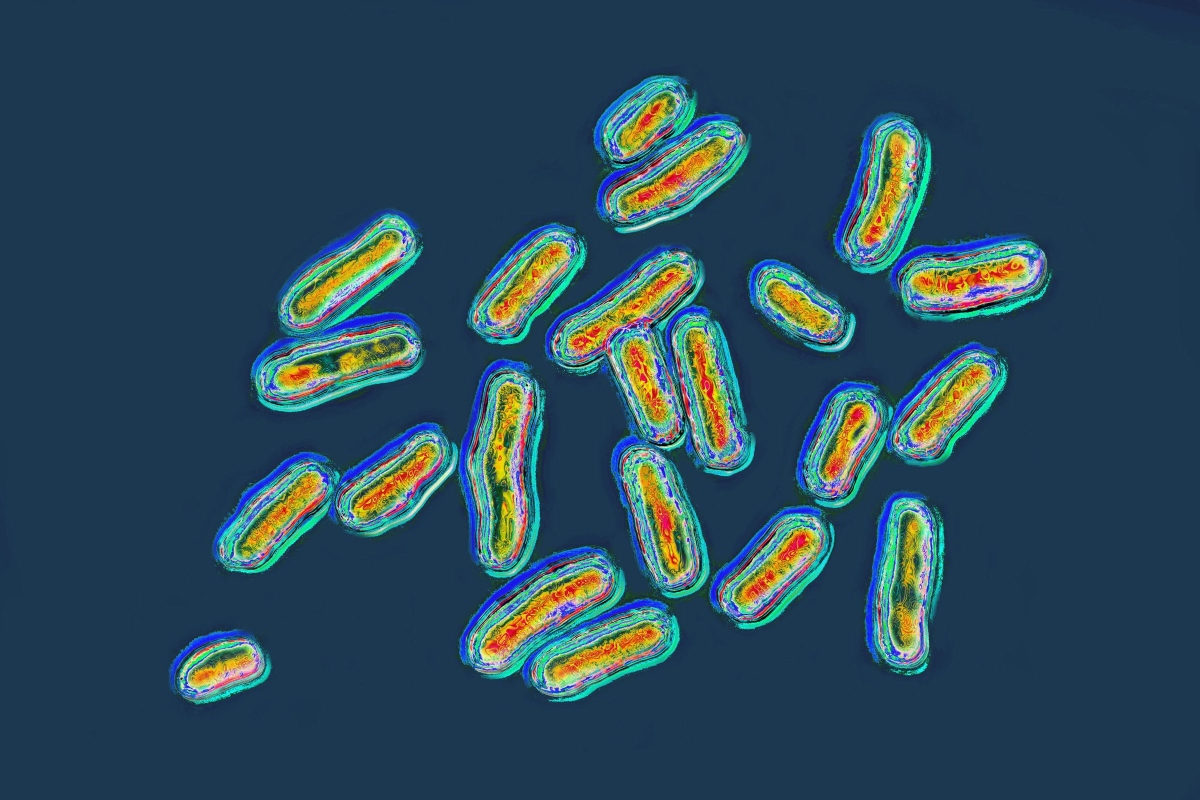
A simple recommendation from health authorities can be summed up in four words: clean, separate, cook, and refrigerate.
Hands should be washed with soap and water for at least 20 seconds before and after handling food or animals that may carry the bacteria, including chickens, turtles, and reptiles.
It is also important to clean surfaces, cutting boards, and utensils after handling raw meat or eggs, and to keep those items separate from ready-to-eat foods, such as fruits and vegetables.
Vegetables such as lettuce and jalapeños should be washed before eating them.
Proper cooking is also essential. CNN notes that poultry must reach an internal temperature of 165 degrees Fahrenheit (74 °C), while ground meat and egg-based dishes must reach 160 °F (71 °C).
Perishable foods and leftovers should be refrigerated within two hours of preparation, and the refrigerator should be kept at 40 °F (4 °C) or lower.
As for animals, the CDC recommends that children under 5 avoid contact with chameleons and advises keeping the habitats and items used by reptiles and backyard birds clean. Kissing or cuddling chickens or chameleons is also not recommended.
Why Do More Illnesses Occur During the Summer?
Salmonella outbreaks in the United States have remained relatively stable over the past decade, but some foodborne illnesses exhibit seasonal patterns.
Dr. Haley Oliver-Jischke, a food safety specialist at Purdue University, explained that warmer temperatures can create conditions that allow certain microorganisms to multiply.
Salmonella is part of the natural flora of many animals without necessarily making them sick.
The problem for humans arises when food or water comes into contact with contaminated material or when there is direct contact with infected animals.
Therefore, during a season marked by several simultaneous outbreaks, paying attention to product recalls, cooking food properly, and taking extra hygiene precautions can reduce the risk of infection.
Filed under: Salmonella Outbreaks in the United States