Raids hit Hispanic businesses, causing job losses and high legal costs
Por Miriam Gonzalez ·
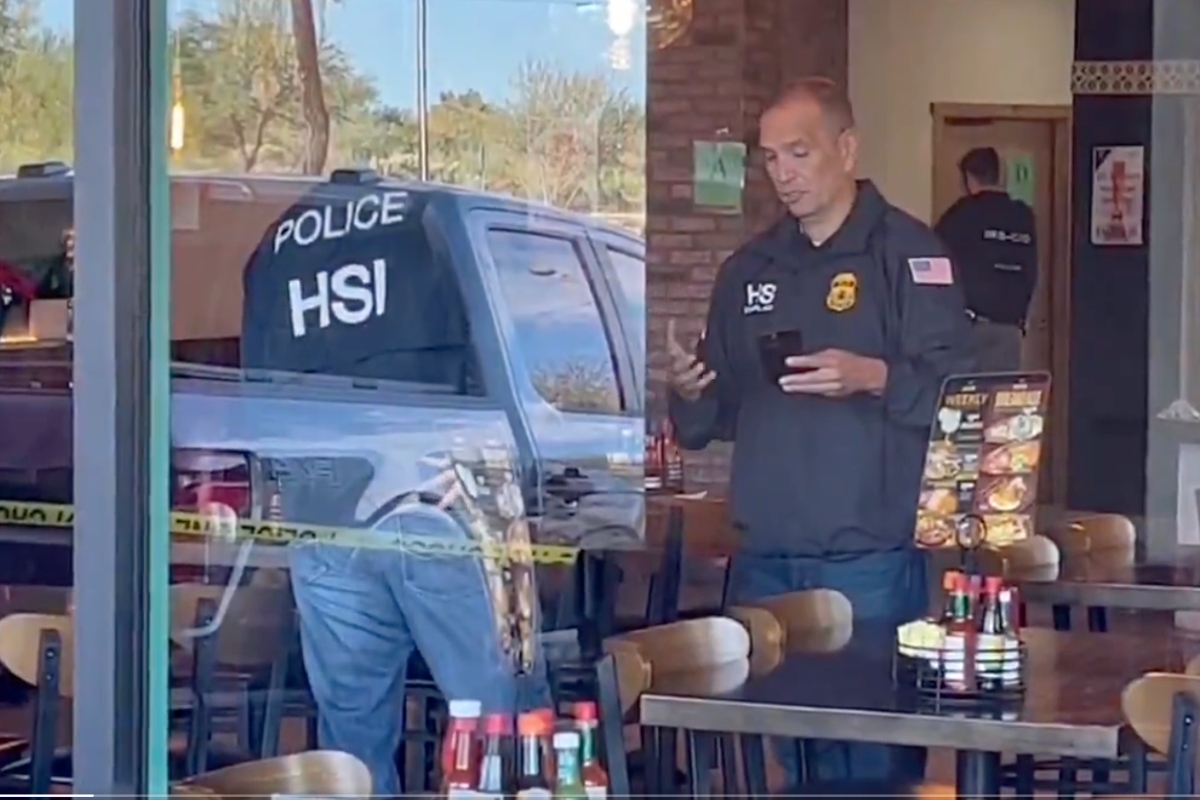
Immigration raids in the United States are leaving restaurants like Taco Giro, an iconic Mexican restaurant in southern Arizona that has been forced to close several of its establishments after running out of workers and facing high legal expenses following an immigration raid.
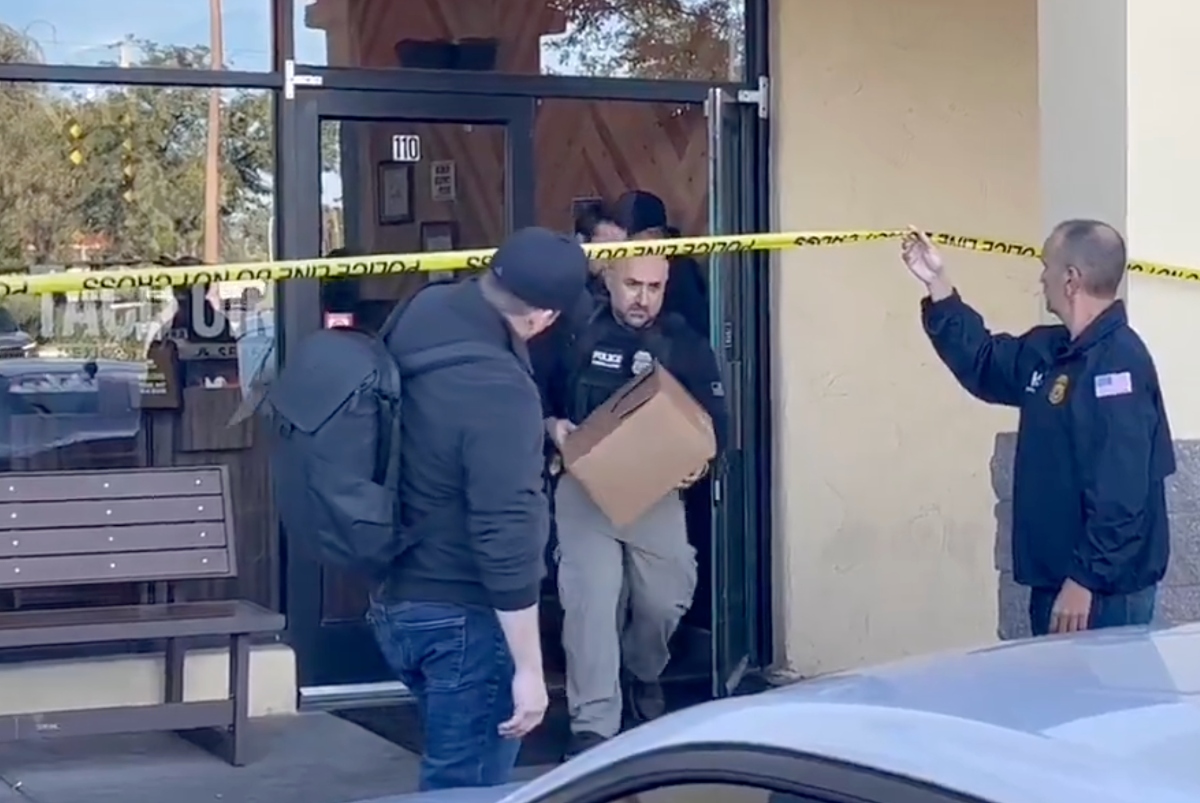
César Rodríguez, director of operations for the southern Arizona restaurant chain, told EFE that they were forced to indefinitely close seven of their ten establishments after a surprise raid by heavily armed Immigration and Customs Enforcement (ICE) agents, who arrested 46 workers.
Raids affect Hispanic businesses
ICE conducting search warrant at Taco Giro at 22nd and Craycroft pic.twitter.com/RjTJn7sXtG
– Whats Up Tucson (@whatsuptucson) December 5, 2025
“From one moment to the next we lost 10% of our employees,” Rodriguez stressed, referring to the raid last December 5, during which agents also took documents related to the hiring of workers.
He explained that the agents also visited the homes of several employees, which increased the number of arrests.
Rodriguez said that hiring new workers and training them takes time, as even immigrants with citizenship fear raids, not for themselves, but for undocumented family members.
The Ramos Mora brothers, who started the restaurant chain in south Tucson in 2008, declined to talk about the case.
For its part, ICE assured that the operation against Taco Giro was the result of a long investigation related to the hiring of undocumented workers, payment in cash, as well as tax and drug trafficking issues, accusations that Rodriguez called “ridiculous”.
“Some customers are afraid to come to the restaurant because they are afraid ICE will come to the establishment again,” Mario Ramirez, a regular customer at Taco Giro, told EFE during a visit to the restaurant, which was practically unoccupied.
The aftermath of ICE
Marco Antonio Lopez, owner of Beef Master Meat Market in Tucson, Arizona, is still trying to recover from a similar experience.
Lopez’s business was one of the first to be visited by ICE agents last March, in one of the first immigration raids during the second Trump Administration in southern Arizona.
Like Taco Giro, the first blow was the loss of employees, because although no one was arrested by ICE agents during the raid, the next day simply no one showed up for work.
“It was very hard, my wife and children had to help me in order to get the business off the ground,” López told EFE.
He recalled that it took him “months” to be able to rehire employees and get his clientele back on the premises.
However, he said that nine months after being the target of an ICE raid, he is still suffering the effects, especially the legal ones, as he continues to answer questions and submit documentation to the federal government, which is threatening to punish him with a hefty fine.
“I don’t want to say the amount, but if I have to pay that much money, I don’t think my business will be able to survive,” he said.
The merchant also incurred attorney’s fees and training of an employee in the use of the federal E-Verify immigration verification program for employers.
The situation affects several cities with a high presence of raids.
In Los Angeles, after interviewing nearly 200 business owners in the hardest-hit areas, 43% of Hispanic owners reported revenue losses of 50% or more, rising to 68% among those who are not fluent in English, according to a November report by the Los Angeles Economic Equity Accelerator and Fellowship (LEAAF).
Less security, declining economy
Federal agents from the IRS and Homeland Security Investigations executed search warrants at restaurants across Tucson, Arizona including the Taco Giro Mexican Grill.
“As part of years-long investigation into immigration and tax violations” pic.twitter.com/owvKXqTv3w
– Digital Gal (@DigitalGalX) December 5, 2025
“Intentional, disruptive and violent federal raids do not make our community safer, nor do they reduce prices for Tucson residents,” Tucson Mayor Regina Romero told EFE.
For the city’s first Latina mayor, law enforcement is never an excuse to disrupt the local economy.
In their opinion, these actions cause serious collateral damage to small businesses and interfere with legal commercial activity.
“They chase away lifelong employees, regardless of their immigration status, and use federal resources to intimidate people based solely on the color of their skin or their accent.”
Romero assured that these operations “are further increasing the economic problems for the economy of the communities, which have been severely impacted by the increase in the prices of rents and basic foodstuffs”.
Filed under: Raids affect Hispanic businesses
With information from EFE