Should You Stop Giving Your Children Fruits and Vegetables? What Experts Are Saying in the Wake of the Cyclospora Outbreak in the U.S.
Por Miriam Gonzalez ·
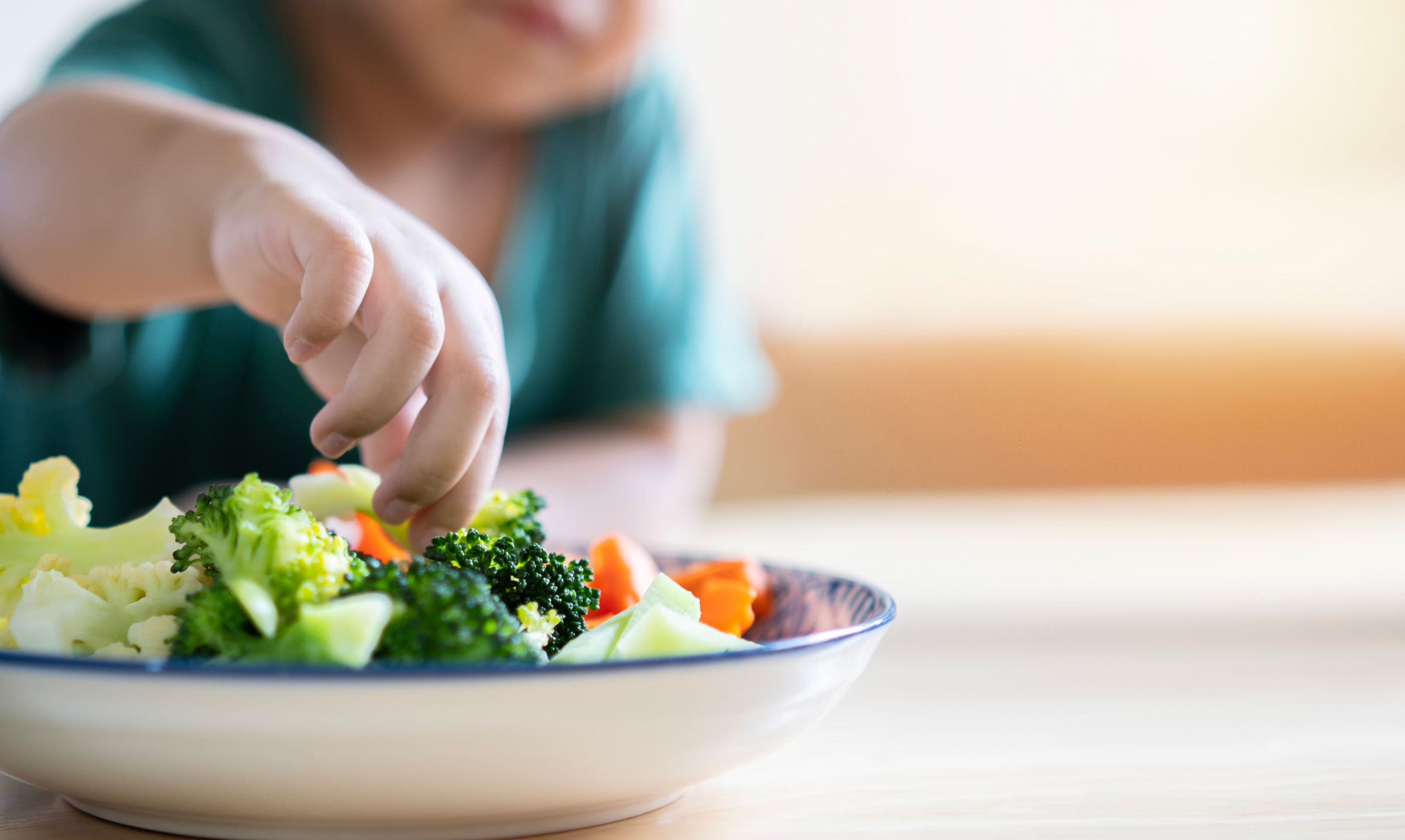
The recent Cyclospora outbreak affecting several U.S. states has raised concerns among many families, especially parents of young children, who are wondering whether it is safe to continue offering fresh fruits and vegetables to their children. However, health experts insist that eliminating these foods from children’s diets would be a mistake. According to CNN’s Katia Hetter, the nutritional benefits of eating fruits and vegetables continue to far outweigh the risks when proper food safety measures are followed.
This concern comes at a time when a new international study also reveals another troubling issue: most children around the world do not consume enough fruits, vegetables, legumes, nuts, and other plant-based foods that are essential for healthy growth.
In an interview with CNN, Dr. Leana Wen, an emergency medicine specialist and clinical professor at George Washington University, explained that the study analyzed more than 1,200 dietary surveys conducted between 1990 and 2018 in 185 countries to determine how children’s eating habits have changed.
One of the most striking findings was that infants and children under the age of two in the United States are among the highest consumers of fruits and vegetables worldwide.
However, as they grow older, their vegetable consumption decreases significantly, and American adolescents end up among those who eat the fewest vegetables among high-income countries.
The expert attributes this change to several factors.
Fruits and Vegetables During the Cyclospora Outbreak
Food recalls are drawing attention as Cyclospora has caused people to become seriously ill, and as several grocery items have been pulled from store shelves. https://t.co/nP18riqJNN
— USA TODAY (@USATODAY) August 28, 2026
During the first few years of a child’s life, parents have greater control over their children’s diet and tend to introduce a wide variety of healthy foods.
But once children reach school age, new influences emerge, such as fast food, ultra-processed foods, advertising, and the eating habits of friends and classmates.
Dr. Wen emphasizes that fruits and vegetables provide vitamins, minerals, fiber, and other nutrients that are essential for children’s growth and development.
In addition, developing healthy habits from an early age helps reduce the risk of chronic diseases such as obesity, type 2 diabetes, cardiovascular disease, and even some types of cancer in adulthood.
Another common challenge is that many children are picky eaters.
However, the specialist explains that this behavior is completely normal, especially during the preschool years.
The recommendation is to repeatedly offer new foods without pressuring children, since constant exposure increases the likelihood that they will eventually accept them.
He also recommends involving children in activities such as grocery shopping or preparing meals, as well as eating fruits and vegetables as a family to set a good example.
Always Fresh Products
The CDC added Georgia, Tennessee, and Texas to the multistate Cyclospora outbreak linked to iceberg lettuce from Taylor Farms in Mexico, bringing the total number of states affected to 20.
About 11,458 cases have now been linked to this outbreak, the CDC said. https://t.co/Wy5wKHGiCT
— The Washington Post (@washingtonpost) August 28, 2026
Regarding the Cyclospora outbreak, Wen emphasizes that families should not stop eating fresh produce.
Instead, it recommends strengthening food safety practices: washing your hands before handling food, rinsing fruits and vegetables under running water, avoiding cross-contamination with raw meat, and staying informed about product recalls and alerts issued by health authorities.
The specialist points out that frozen or canned fruits and vegetables are also healthy alternatives when you choose products without excessive sodium or added sugars.
It also notes that cooked vegetables can be an additional option for people at higher risk of developing complications during an outbreak, such as older adults, pregnant women, or immunocompromised individuals.
As for fruit juice, the American Academy of Pediatrics recommends not giving it to infants under one year of age and limiting its consumption in older children, since it does not provide the same nutritional benefits as whole fruit.
Dr. Wen’s conclusion is clear: the goal should not be to strive for a perfect diet, but to maintain consistency.
Offering fruits and vegetables every day—even when children initially refuse them—helps build habits that will benefit their health throughout their lives.
Filed under: Fruits, vegetables, Cyclospora, children