Skulls and Marigolds: Day of the Dead Tradition and Pop Culture
Por Miriam Gonzalez ·
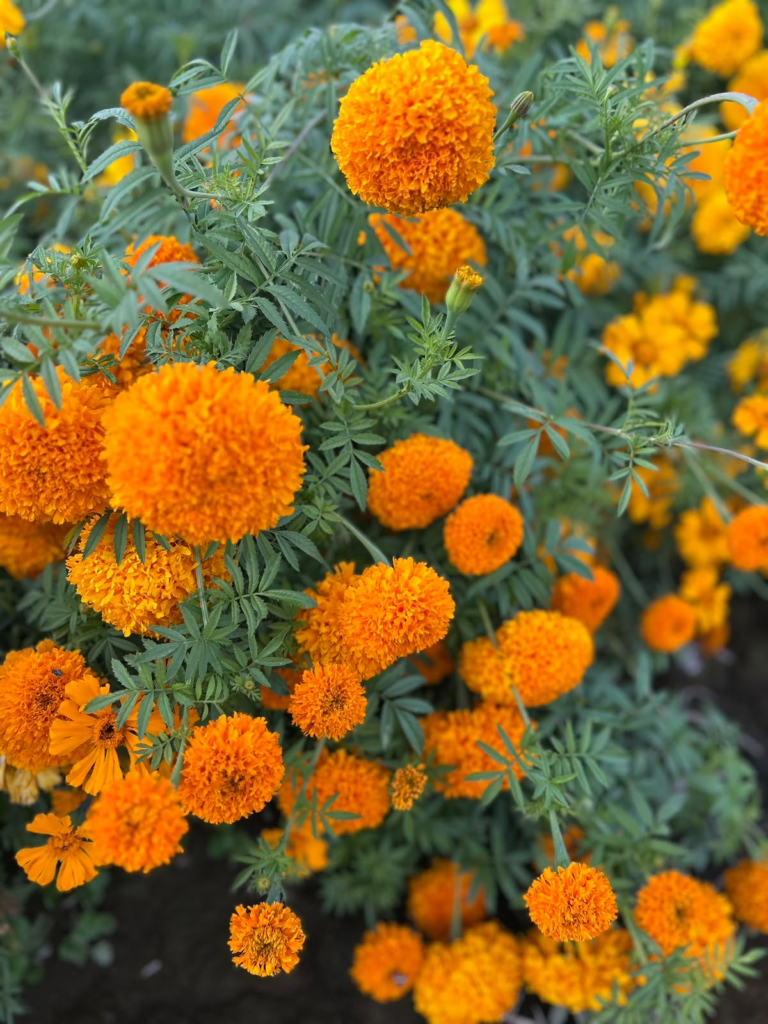
The meaning of skulls on Day of the Dead goes beyond their festive appearance. Together with marigolds, they form part of a language of memory and affection that today coexists with movies, makeup, and public celebrations. Behind those colors remain family stories and traditions that vary from one community to another.
The festivities bring together indigenous heritage and Catholic practices. UNESCO recognizes indigenous festivals dedicated to the dead as intangible cultural heritage: their central purpose is to commemorate the temporary return of deceased family members and loved ones.
For families who maintain the tradition in the United States, these symbols also offer an opportunity to share memories, explain where their customs come from, and bring children closer to family history.
The meaning of skulls: memory, humor, and critique
La Catrina es un ícono de la cultura mexicana, representativa del #DíaDeMuertos, pero… ¿Sabes cómo surgió?
¡Te explicamos! 💀🍁 https://t.co/O5g62mqDVu
— Día De Muertos (@diademuertos_) October 22, 2026
Sugar skulls and skeleton representations are part of the imagery of the celebration.
Their presence allows us to speak of death with affection, creativity, and in some expressions, humor.
La Catrina also has a particular history.
Its predecessor is the Garbancera Skull by José Guadalupe Posada, an image of social criticism linked to those who rejected their indigenous roots and tried to adopt a European identity.
Diego Rivera revisited the figure and gave it the elegant body and clothing that appear in his 1947 mural, Dream of a Sunday Afternoon in Alameda Central.
That trajectory helps explain why La Catrina is both an artistic character and a cultural emblem.
Marigold: the path that leads home
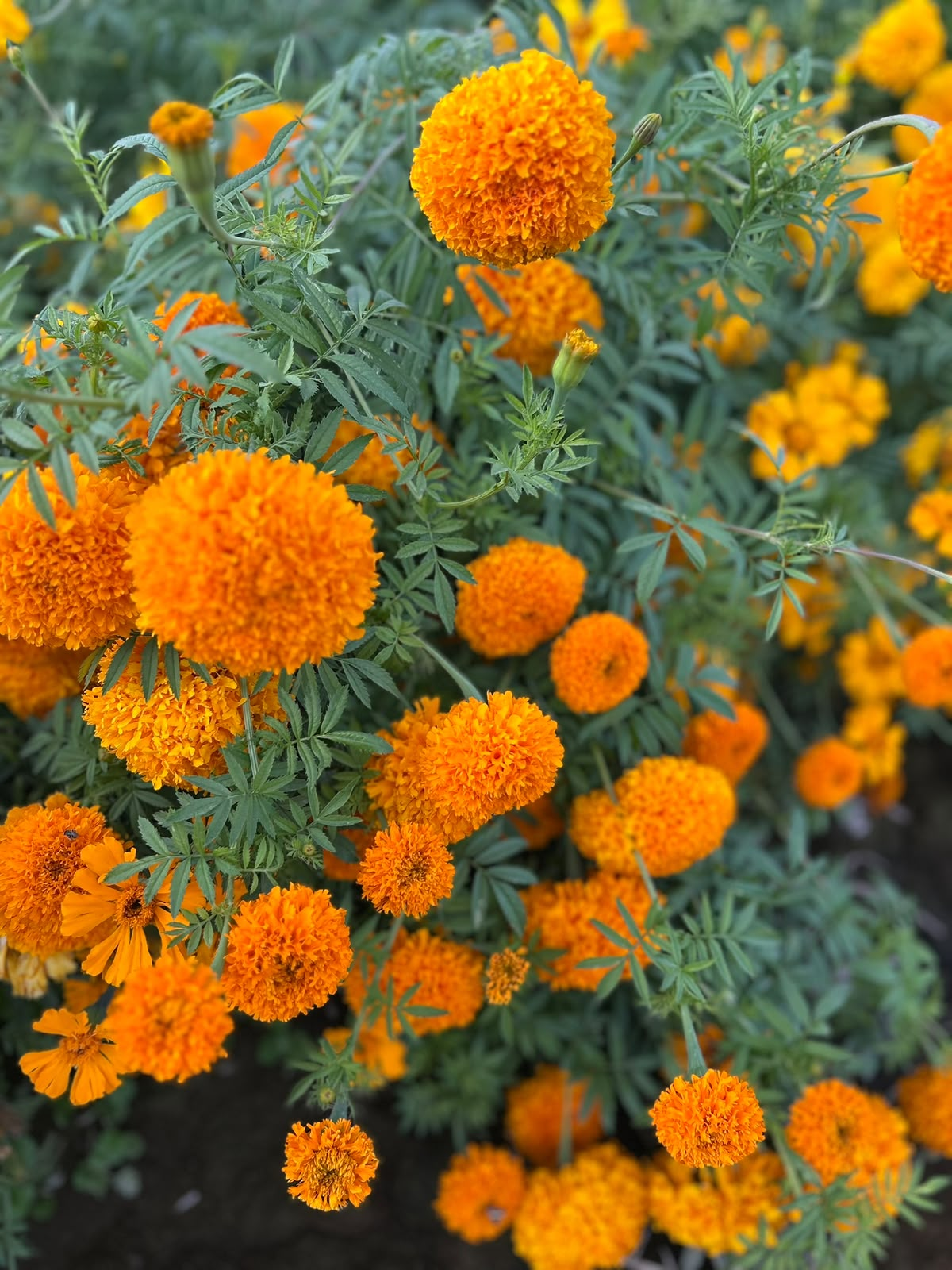
The orange and yellow of the marigold transform altars and cemeteries.
According to tradition, its petals mark the path for spirits, and their aroma helps guide them toward the offerings.
The National Institute of Anthropology and History points to its association with the sun and the renewal of life since pre-Hispanic times.
The flower thus fulfills a ceremonial function that accompanies its ornamental value.
On the altar, flowers coexist with photographs, candles, water, and food.
Each element acquires meaning within the whole: a welcome is prepared for those who have passed away, with objects that speak of their lives and their connections.
From the offering to Coco and pop culture
.@DisneyPixar lanza tráiler de #Coco, film con basado en el Día de Muertos #FelizMiércoles https://t.co/mpCHTZpd49 https://t.co/ENVQVXYHRY
— MVS Noticias (@MVSNoticias) March 15, 2017
Between skulls and marigolds, Coco turned that family encounter into an animated adventure.
Pixar explains that its research trips through Mexico inspired the bridge of petals that connects the world of the living with the world of the dead.
The film combines recognizable elements of the tradition with rules specific to its narrative universe.
Its luminous bridge and characters are works of fiction, so it is important to distinguish them from the specific practices of each family or community.
Folklorist Cynthia Vidaurri, from the Smithsonian, highlights precisely that diversity: there is no single version of Day of the Dead that represents all indigenous, Mexican, and Mexican American experiences.
A tradition that is also built in the United States
In honor to those who have passed. #DíaDeMuertos 💀🍂 https://t.co/WxXoKed7Ft
— Día De Muertos (@diademuertos_) October 26, 2026
Vidaurri places part of the public diffusion of the celebration among Mexican Americans in the Chicano movement of the 1960s and 1970s.
Its presence in the United States therefore has a history prior to the success of contemporary animation.
To share it at home, a photograph can open the conversation: who appears, what they enjoyed, and what memories the family preserves.
The skulls and marigolds add color; the stories allow us to understand who is being remembered.
Filed as: Skulls and Marigolds