Planning a Halloween Party? Avoid These Mistakes
Por Miriam Gonzalez ·
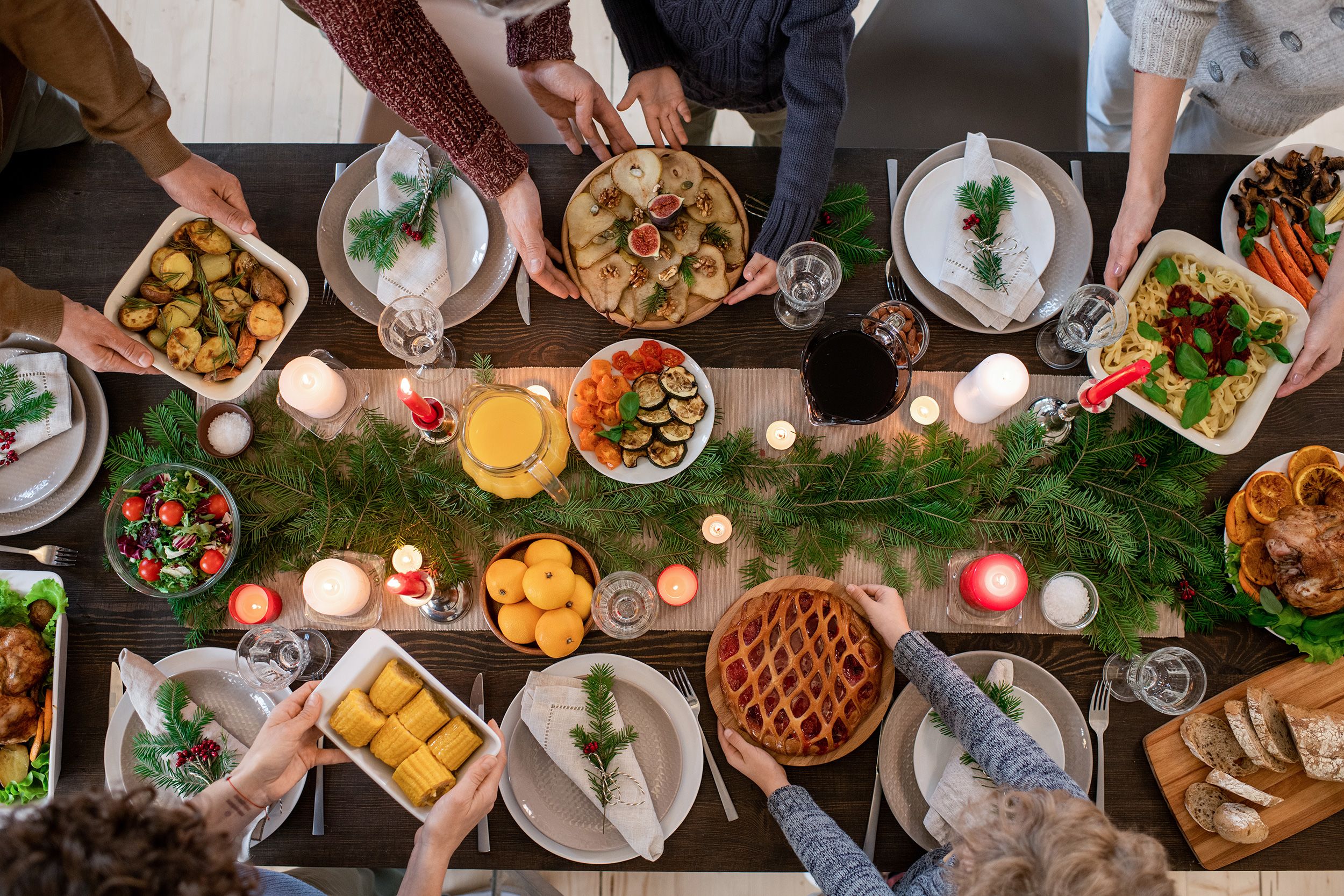
With Halloween comes one of the most anticipated seasons of the year in the United States: weeks of parties, family gatherings, Thanksgiving dinners, and holiday celebrations.
But hosting guests at home can become a stressful experience when food isn’t ready, beverages run out, or someone arrives without knowing the gathering was adults-only.
If you’re preparing a celebration, there are some tips for organizing parties that can help you avoid those setbacks and enjoy the gathering as much as your guests.
Etiquette and event planning experts consulted by CNN agree that the key isn’t impressing with expensive decorations or a complicated menu, but rather anticipating people’s needs and creating a welcoming atmosphere.
The first mistake when organizing a party begins with the invitation
An incomplete invitation can cause confusion even before the gathering begins.
Myka Meier, founder of Beaumont Etiquette in New York, recommends providing enough information so guests know what to expect.
In addition to the date, time, and address, it’s good to include the dress code, the event’s theme, the deadline to confirm attendance, and whether there will be special activities, such as costume contests or karaoke.
It’s also important to ask if anyone has allergies or dietary restrictions.
If the celebration is exclusively for adults, it’s best to communicate this kindly from the start.
The same applies when space is limited and it’s not possible to accommodate additional guests.
In gatherings where each guest brings a dish, Gina Jokilehto, creative director of Shi Shi Events, advises distributing contributions to avoid ending up with too many desserts and few side dishes.
Tips for organizing parties without ending up exhausted
One of the most common mistakes is underestimating the time needed to clean, cook, and decorate.
Experts recommend reserving more time than you initially think necessary.
According to Meier, the ideal is to finish the main preparations between 60 and 90 minutes before guests arrive.
This way you can dedicate the last few minutes to placing the food, turning on decorative lighting, or finishing getting ready.
Another recommendation is to buy decorative items a week in advance, do deep cleaning in the days before, and purchase fresh foods the day before.
And although you want to surprise everyone, it’s not the best time to experiment with recipes you’ve never prepared.
Maryanne Parker, founder of Manor of Manners, advises avoiding unfamiliar dishes that could complicate preparation.
A simple meal, well-presented and served on time can work better than an elaborate menu that keeps you busy all night.
The bathroom, beverages, and other details you shouldn’t forget
Small details also influence your guests’ experience.
Before you start, check that the bathroom has enough toilet paper, soap, clean hand towels, and air freshener.
At the table, place appropriate utensils next to each dish and make it easy for people to serve themselves.
If any food contains ingredients that could trigger allergies, identify it clearly.
It’s also important to have enough beverages and offer non-alcoholic alternatives.
Meier recommends thinking about the five senses when preparing the atmosphere: pleasant aromas, music, warm lighting, welcoming decoration, and something delicious to taste.
Don’t leave your guests alone: the secret to being a good host
Receiving people from different groups of friends or family can be complicated if they don’t all know each other.
That’s why one of the host’s responsibilities is helping to break the ice.
Introduce people who have similar interests and try to integrate more reserved people into conversations.
You can also organize simple games that allow guests to get to know each other better.
When someone arrives, greet them, show them where they can leave their belongings, and offer them a beverage or appetizer.
If you’ll be serving a main meal, Meier recommends doing so within the first hour after the gathering starts.
Pay attention as well to the house temperature and signs of discomfort from your guests.
How to tell your guests the party is over?
Another uncomfortable moment can come when the gathering goes on longer than expected.
To avoid it, the ideal is to establish an approximate end time from the invitation.
If you didn’t do that, Jokilehto suggests beginning to discreetly tidy up when dessert has finished and conversations start to diminish.
You can also offer your guests to take some food home.
If hints don’t work, kindly communicating that you need to rest can be the simplest option.
The best party doesn’t have to be perfect
After organizing the meal, cleaning the house, and preparing every detail, it’s easy to feel frustrated when something doesn’t go as planned.
However, experts remind us that your guests probably don’t know all the plans you had in mind.
What they will really remember is how they felt during the celebration.
That’s why, whether you organize a Halloween party, a Thanksgiving dinner, or a holiday gathering, you don’t need a spotless house or a spectacular table.
What’s important is that people feel welcome, can spend time together, and enjoy the moment.
In the end, being a good host is less about achieving perfection and more about creating memories worth sharing.
Filed as: Tips for organizing parties