Pink October: Recognizing Yourself Again After a Mastectomy: Body, Identity, and Self-Esteem
Por Miriam Gonzalez ·
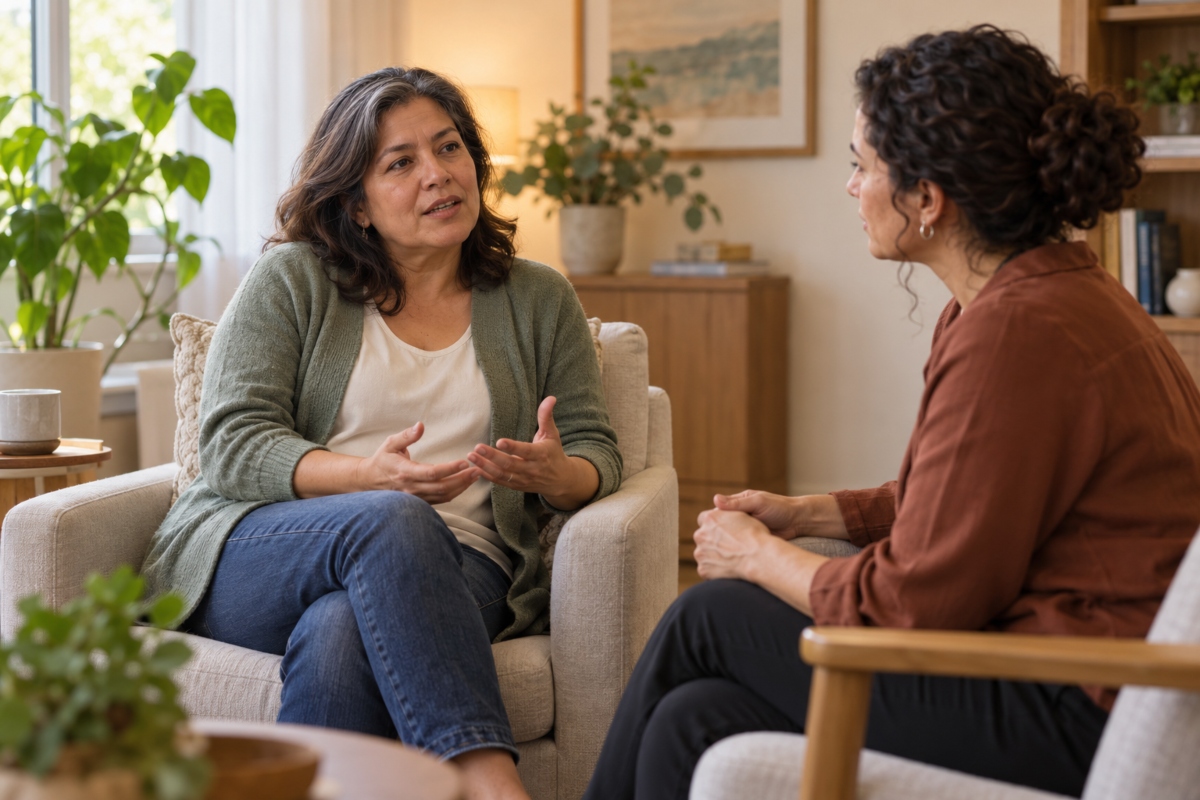
After a mastectomy, getting dressed, looking in the mirror, or sharing an intimate moment can take on a different meaning. Some people feel relief; others experience sadness, confusion, or emotions that coexist and change. Talking about self-esteem after a mastectomy requires recognizing that diversity, without imposing a way of feeling.
Body image includes how we perceive and experience our body. Breastcancer.org notes that changes associated with breast cancer treatment can affect confidence, relationships, and daily activities, although their impact is different for each person.
Giving Yourself Space to Feel
Feeling grateful for the care received can coexist with missing your previous body.
Concerns about appearance deserve to be heard, even when others try to downplay them.
There is also no obligation to live your scars as a symbol of strength.
Each person can decide what meaning to give them, when to talk about them, and with whom to share that experience.
If the word femininity is part of your identity, you decide how it relates to your body.
No one has to prove well-being through a certain appearance, a photograph, or an always positive attitude.
Making Decisions About Your Body With Information
The National Cancer Institute describes different options after a mastectomy: breast reconstruction, use of an external prosthesis, or remaining without reconstruction.
The choice depends on personal preferences and medical circumstances.
Reconstruction can be performed during the mastectomy or later, even months or years afterward.
Its timing and feasibility should be reviewed with your medical team, considering each patient’s treatments and health.
Those who want a flat chest can ask about aesthetic flat closure, a procedure that seeks to remove excess tissue and smooth the contour.
It’s helpful to express expectations before surgery and ask what results are possible.
Choosing reconstruction or going without it deserves equal respect.
None of these decisions can measure how much you accept yourself.
Self-Esteem After a Mastectomy: Intimacy and Sensations
Surgery can also change the sensitivity of the breast.
Reconstruction does not guarantee recovering previous sensations, and that difference can influence how physical contact is experienced.
The American Cancer Society recognizes that concerns about body image and sexuality are part of the experience after treatment.
If you have a partner, talking about what contact feels comfortable, what worries you, and when you prefer to stop can help you express your needs.
Closeness can take different forms, always with consent and respecting recovery instructions.
Pain or sexual difficulties can also be discussed at a medical visit. These are health issues that deserve attention.
Supporting Without Pressure
For family and friends, a simple question can open space: «Do you want me to listen, or do you need help with something specific?»
It’s better to allow the person to describe what they feel before offering advice about their appearance.
Support can include accompanying them to an appointment, helping with tasks, or respecting that they don’t want to talk about it that day.
You can seek psychological guidance even if you’re not in a crisis.
The oncology team can provide a referral; support groups also offer spaces to talk with people who have had similar experiences.
If you prefer Spanish-language care, ask about available resources.
If sadness persists, becomes overwhelming, or makes it difficult to do your activities, mention it to your health team.
The National Cancer Institute explains that depression can be treated and requires professional evaluation.
Recognizing yourself can take time.
You deserve information, support, and the freedom to decide how to navigate it.
Filed as: Self-Esteem After a Mastectomy