Pink October: Breast Changes Worth Discussing With a Doctor
Por Miriam Gonzalez ·
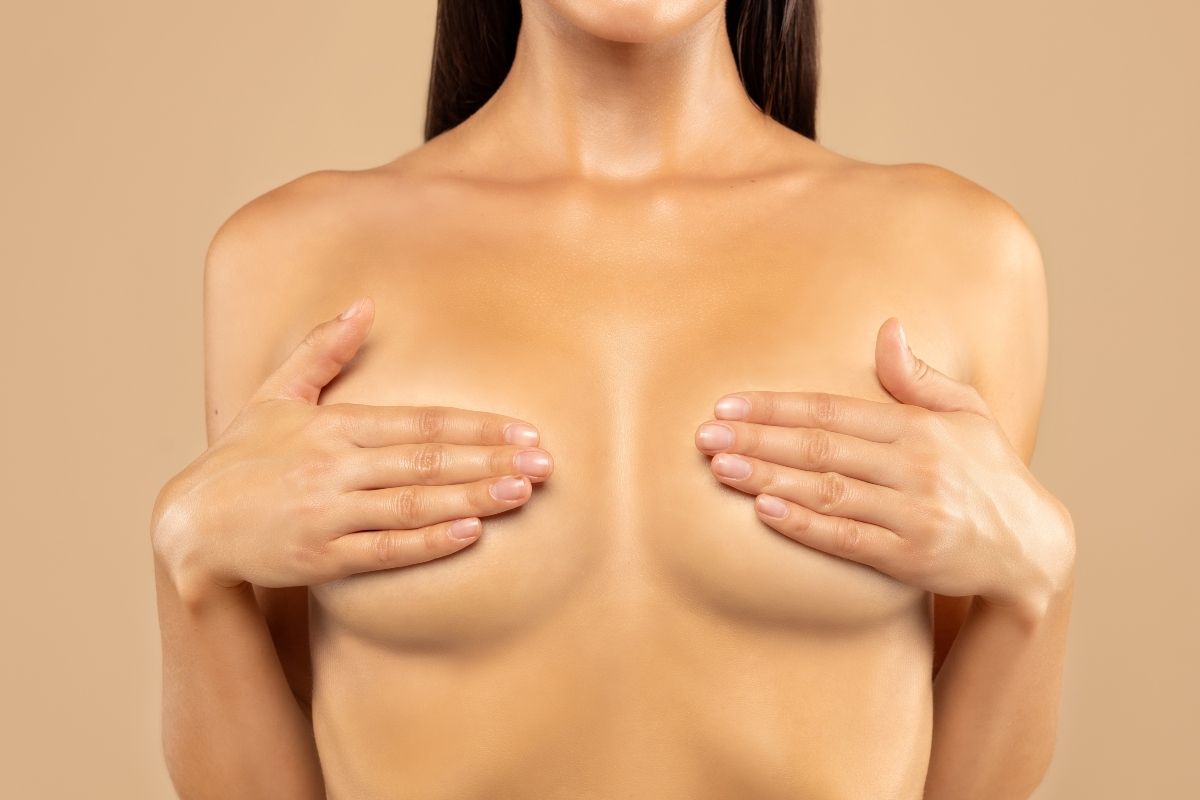
Noticing changes in the breasts can cause concern, but finding something different does not automatically mean having cancer. Most breast changes have other causes. Still, a new change deserves medical evaluation to determine what causes it, even if a recent mammogram came back normal, explains the National Cancer Institute of the United States.
The appearance and texture of the breasts can vary with menstruation, pregnancy, age, or certain medications. There is no single «normal» appearance: what matters is recognizing how yours usually look and feel and communicating any difference that concerns you.
Breast changes: a new lump or a thickened area
A small bump in the breast or armpit, a hardened area, or a part that feels different from the surrounding tissue are reasons to schedule a consultation.
It is not possible to determine the cause by touch alone. Although some tumors are hard and painless, they can also feel soft, round, or tender.
Whether a bump hurts or does not hurt does not allow confirmation or rule out cancer.
The American Cancer Society recommends that a professional evaluate any new mass. American Cancer Society
Dimples, swelling, or skin changes
It is also worth consulting if indentations, new wrinkles, or a texture similar to an orange peel appear.
Redness, darkening, scaling, or thickening of the breast or nipple skin requires attention.
Swelling can affect part of the breast or the entire breast, even without a palpable lump.
That is why searching only for a lump leaves out other important changes. American Cancer Society
A changing nipple or unexpected discharge
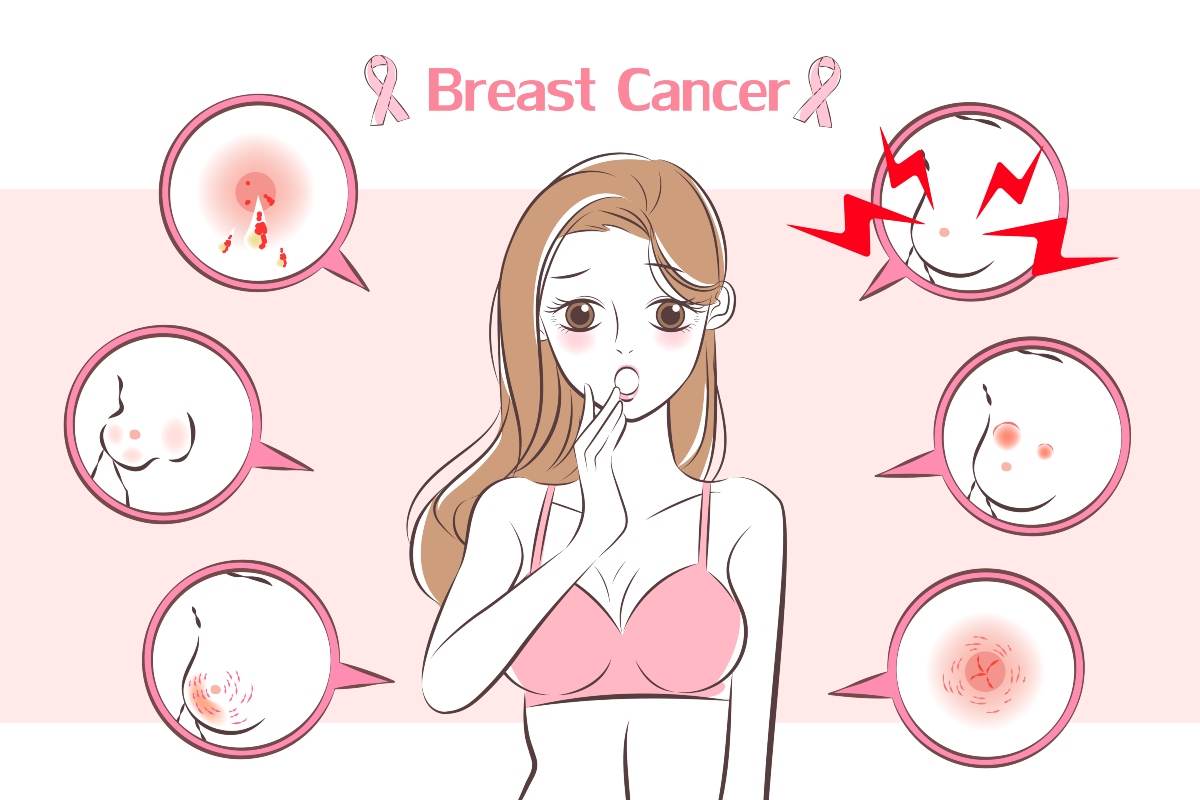
If the nipple starts to become inverted, changes direction, or flattens in a way it did not before, mention it to your doctor.
Discharge other than breast milk should also be evaluated, especially if it contains blood.
There are benign conditions that can cause discharge; its presence alone does not establish a diagnosis.
Persistent pain or a change in shape

Breast pain can be related to hormonal changes or cysts.
However, new discomfort that persists, particularly in a specific spot, needs review.
The same applies to an unexpected change in the size or shape of a breast.
This is not about requiring both breasts to be identical, but about identifying a difference from what is normal for your body.
A warm and painful breast accompanied by fever or chills may correspond to mastitis.
This inflammation is more common during breastfeeding, although it can also occur outside of it.
If symptoms do not improve or appear when you are not breastfeeding, seek medical evaluation.
How to prepare for the consultation
Note when you noticed the change, where it is, and whether it affects one or both breasts.
Describe whether it has grown, whether it hurts, and whether it coincides with your menstrual cycle.
If there is discharge, record its appearance.
These details help explain clearly what you have observed.
Depending on the symptoms, the professional may recommend a diagnostic mammogram or other tests.
The evaluation of a new change is different from screening tests performed when there are no symptoms.
If you live in the United States and need help accessing care, Susan G. Komen offers guidance in Spanish through its hotline 1-877-465-6636.
Consulting allows you to clarify the cause of the change and learn about the next steps.
Archived as: Breast changes