McDonald’s, Trader Joe’s and Other Brands Fail Report on Dangerous Chemicals
Por Miriam Gonzalez ·
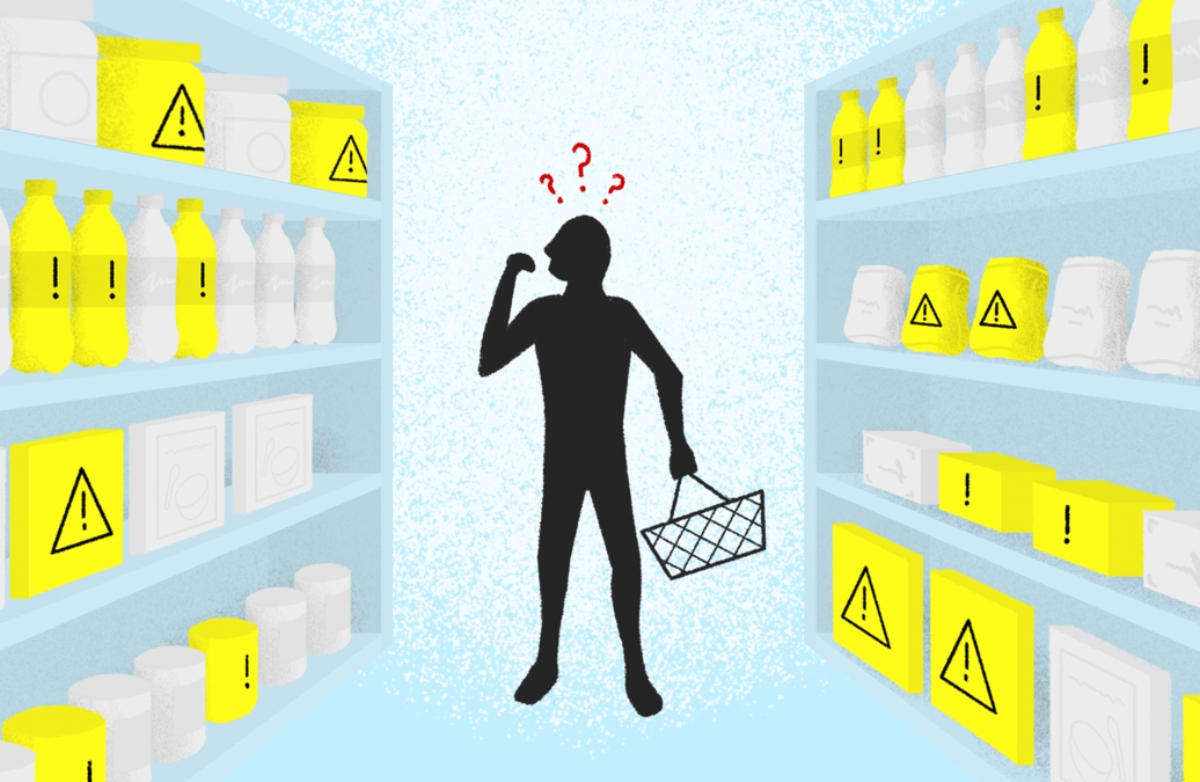
Shopping at Trader Joe’s, Publix, or McDonald’s? A new report on the reduction of dangerous chemicals in consumer products ranked these and other well-known companies among the worst evaluated in the United States and Canada.
The Toxic Hall of Shame 2026 report, published on November 18 by the nonprofit organization Toxic-Free Future, gave an F rating to 16 major corporate groups for their policies and actions related to the elimination of potentially harmful chemicals and plastics.
However, there is an important distinction: receiving an F does not mean that all of a company’s products are toxic or that they have been proven to represent an immediate danger.
The evaluation primarily analyzes corporate commitments, transparency, and measures to reduce concerning substances.
What companies failed on their policies regarding dangerous chemicals?
Among the companies that received the lowest rating on dangerous chemicals in products are names very well known to U.S. consumers.
According to the report distributed by CNN, the list includes:
McDonald’s
Trader Joe’s
Publix
Albertsons
Wayfair
Williams-Sonoma
Sherwin-Williams
Chipotle
Five Below
Subway
Lumber Liquidators
7-Eleven
Alimentation Couche-Tard, owner of Circle K
Ahold Delhaize, owner of Food Lion and Stop & Shop
Inspire Brands, owner of Dunkin’, Arby’s, Sonic and other chains
Yum! Brands, owner of Taco Bell, KFC and Habit Burger & Grill
The analysis also covers various subsidiary companies of the evaluated groups.
The organization explained that the goal is to identify which companies are making progress in reducing concerning chemicals and which still show deficiencies in their public commitments.
What dangerous chemicals in products concern researchers?
🛍️ Our 2026 Retailer Report Card is here!
📉 Nearly half of retailers are backsliding on efforts to reduce toxic chemicals and plastics in the products they sell, including former leader @Walmart.
#MindTheStore #RetailerReportCard
https://t.co/nDJ2bnM3tj https://t.co/qQQlbt9bH7
— Toxic-Free Future (@ToxFreeFuture) November 18, 2026
The report pays attention to substances used in everyday items, including food packaging, cleaning products, clothing and other consumer goods.
Among the compounds that generate concern are PFAS, known as persistent chemicals, as well as certain bisphenols and phthalates.
Some substances in these families have been linked in scientific research to hormonal disruptions, reproductive problems and other possible health effects.
However, risks depend on the specific compound, the amount, and the duration of exposure.
Toxic-Free Future did not conduct individual testing of all items sold by the mentioned companies.
Their evaluation is based primarily on publicly available corporate information and measures that each company communicates to control or replace concerning substances.
What brands received the best ratings?
4 big US retailers reported this week. All 4 beat sales estimates.
Their stocks still ranged from up about 8% to down 2.5%.
Here’s what each report says about the US shopper heading into Black Friday, plus what to watch when Walmart reports 🧵 https://t.co/2AQ7DwPS29
— Lasindu Nambige (@LasinduLive) November 18, 2026
Not all companies received negative results.
Apple received an A, while Ikea, Target and Sephora achieved an A- for their initiatives related to reducing dangerous chemicals.
Among the valued actions are chemical risk assessments, the search for safer alternatives, and the implementation of policies to improve materials used in products and packaging.
Dollar Tree also stood out for recording one of the greatest improvements: it went from a D to a C.
According to the report, part of this progress was related to its requirements for private label suppliers to use safer alternatives.
Walmart and Whole Foods lowered their ratings
Apple gets the only A in a retailer report card on toxic chemicals
Walmart fell from an A- to a C in the same report, while Apple kept its A despite missing its own deadline to restrict PFAS.
#QuickUpdate #Apple #Environment #AppleNews
https://t.co/5GNmN2d8bA
— APPDOOK (@appdook) November 18, 2026
Another striking finding was the decline of companies that were previously among the best evaluated.
Walmart dropped from an A- in 2024 to a C in 2026, while Whole Foods Market declined from a B to a C.
According to Toxic-Free Future, Walmart lost 32 percentage points and Whole Foods dropped 20.
Whole Foods disputed the result and assured CNN that the evaluation did not incorporate all of its information due to an internal error in data submission.
The company noted that it maintains restrictions on more than 350 ingredients used in personal care, beauty and home cleaning products.
For its part, Walmart indicated that it needed to review the complete results before issuing a public position.
Amazon, owner of Whole Foods, also defended its policies to restrict certain chemicals and verify compliance with requirements applicable to its private label brands.
What was McDonald’s response to the report?
Released just in time for this season’s flurry of holiday shopping, the 2026 Toxic Hall of Shame gives 16 major retailers an F for their failure to prioritize reducing hazardous chemicals and plastics in the products they sell. https://t.co/Olc1sSRNYy
— CNN (@CNN) November 18, 2026
McDonald’s was one of the companies that responded to CNN.
The chain shared its 2025 corporate report, in which it stated that it had achieved over 99% of its goal to reduce added fluorinated compounds, used as an indicator of PFAS presence.
Toxic-Free Future acknowledged this progress but questioned that the company did not announce new targets to reduce other groups of concerning substances, such as bisphenols and phthalates.
The organization also explained that McDonald’s corporate report was published after the deadline set for incorporating information into the evaluation.
Therefore, the rating should be understood within the criteria and dates used by the researchers, and not as a conclusion about the safety of each food sold by the chain.
What does this report mean for consumers?
The Retailer Report Card has been published since 2016 as part of the Mind the Store campaign by Toxic-Free Future.
The 2026 edition analyzed 50 major retailers in the United States and Canada, representing more than 140 businesses when considering their subsidiaries.
The average rating was D+, and only 10% of the evaluated companies reported measurable goals to reduce or eliminate concerning chemicals and plastics.
The study takes into account four aspects: corporate accountability, transparency, elimination of priority substances, and adoption of safer alternatives.
For consumers, the results can serve as a reference on company policies, but do not substitute official safety alerts nor allow determining on their own if a specific product is dangerous.
Before making purchasing decisions, it is advisable to review product information, applicable warnings, and communications from health authorities.
The main message of the report is that there are still significant differences among major companies regarding transparency and commitments to reduce concerning chemicals in products that reach millions of homes.
Archived as: Dangerous chemicals in products