From Turkey with Tamales to Friendsgiving: How Thanksgiving Reinvents Itself
Por Miriam Gonzalez ·

Turkey can share the table with tamales, dinner can be celebrated among friends, and the timing can be adjusted to a work shift. New Thanksgiving traditions show a holiday that allows different ways to gather, eat, and express gratitude in the United States.
For Hispanic families, that flexibility makes it possible to incorporate their own memories, flavors, and customs. The documented examples do not describe a single way to celebrate: they show how a shared date can take on different meanings depending on who sits at the table.
This 2026, Thanksgiving will be Thursday, November 26.
Its contemporary version combines inherited rituals with practical decisions about company, budget, and availability.
New Thanksgiving traditions with Latino flavor
Adopting Thanksgiving does not require reproducing its entire menu.
A report from Connecticut Public, published in 2023, documented the experience of Enrique Negreros, originally from Puebla and owner of a restaurant in Hartford.
His family prepares turkey marinated with Mexican flavors, while his business receives orders for tamales during the season.
The same report featured María Ramírez, originally from Cidra, Puerto Rico, who incorporates pasteles into the celebration.
They are concrete examples of how foods associated with other family celebrations find space in Thanksgiving.
Another expression of that blend is pavochón: turkey prepared with flavors associated with roasted pork.
Educational material from Smithsonian Folkways identifies it as part of Puerto Rican Thanksgiving celebrations.
The adaptation preserves the turkey’s starring role, but gives it its own culinary identity.
Friendsgiving expands the guest list
Gathering with friends around Thanksgiving has its own name: Friendsgiving.
It is usually organized near the holiday and in a format where each guest brings a dish.
The word began to be documented on the internet in 2007 and entered the Merriam-Webster dictionary in 2020, according to a report from NPR that interviewed one of its editors.
Gatherings among friends existed before; the term gave it a recognizable identity in popular culture.
The coexistence of both models appears in a YouGov survey from November 2025: 75% of Americans surveyed said their celebration would include at least one family member, and 31% said a friend.
The categories could overlap; including friendships did not mean excluding family.
Modern life also changes the schedule
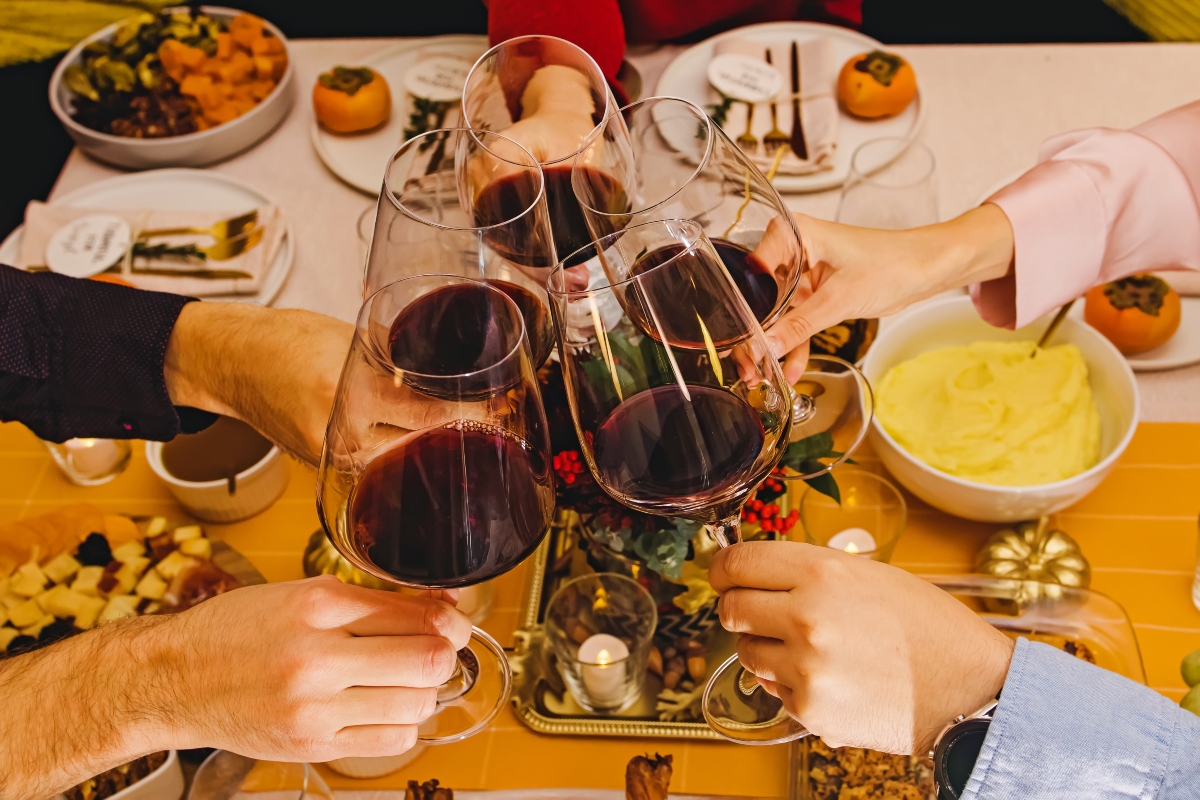
Not everyone can reserve the entire Thursday.
In that same 2025 survey, 11% of workers noted that they had changed the time of their celebration due to work issues.
The data helps explain an adaptation less visible than a new recipe: moving the gathering to make it possible.
It does not demonstrate that all families are changing their schedules, but it does document that work influences how some organize the date.
Classic customs still have a place
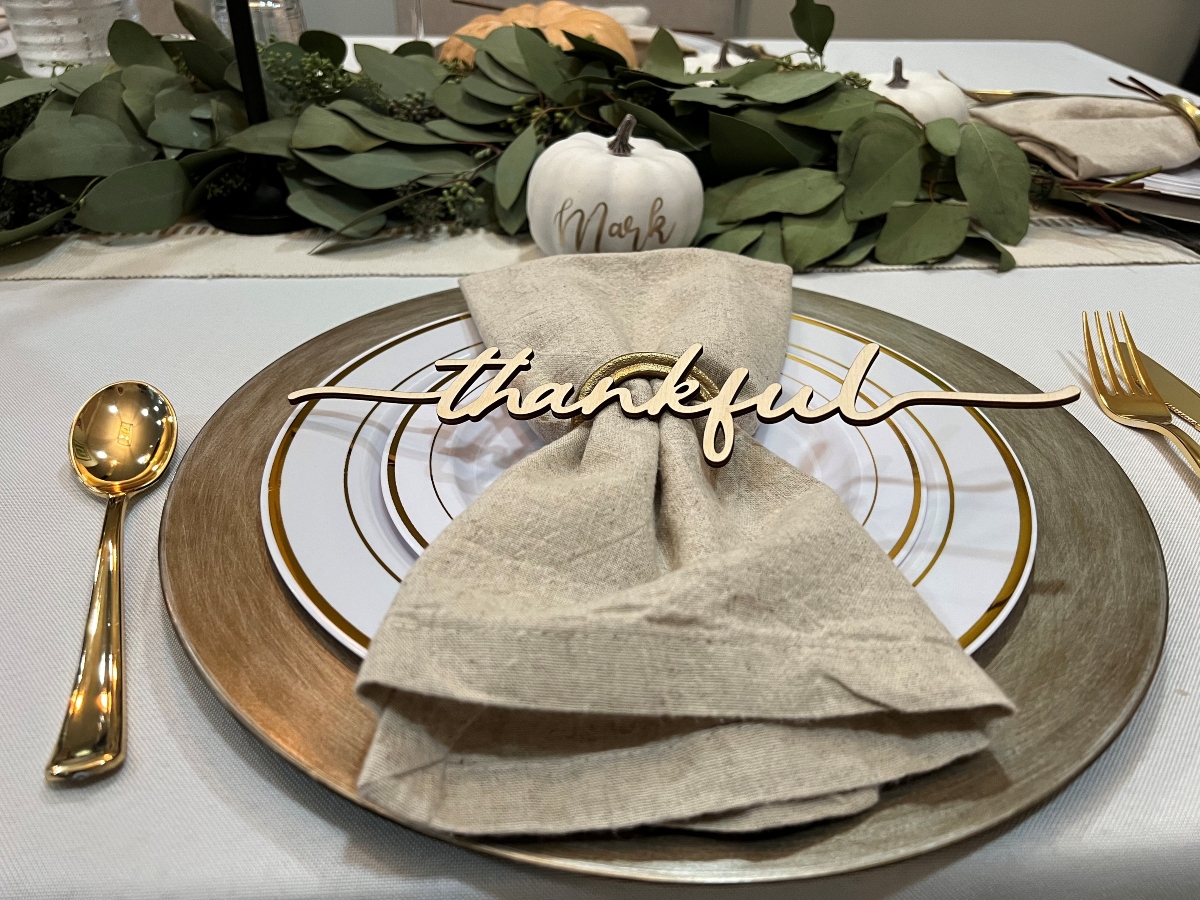
Flexibility coexists with familiar traditions.
In a Pew Research Center survey conducted in 2024, 35% of adults considered it very or extremely likely to watch sports on Thanksgiving; 19% said the same about watching a parade.
These are 2024 figures, not projections for 2026, but they show that different ways of celebrating can coexist.
Contemporary Thanksgiving can bring together a game on television, a family recipe, and friends who bring their own flavors.
It is in these everyday decisions where the holiday acquires a particular identity for each household.
Filed as: New Thanksgiving traditions