Hispanic Heritage Month: Latin Recipes That Have Become Part of American Cuisine
Por Miriam Gonzalez ·
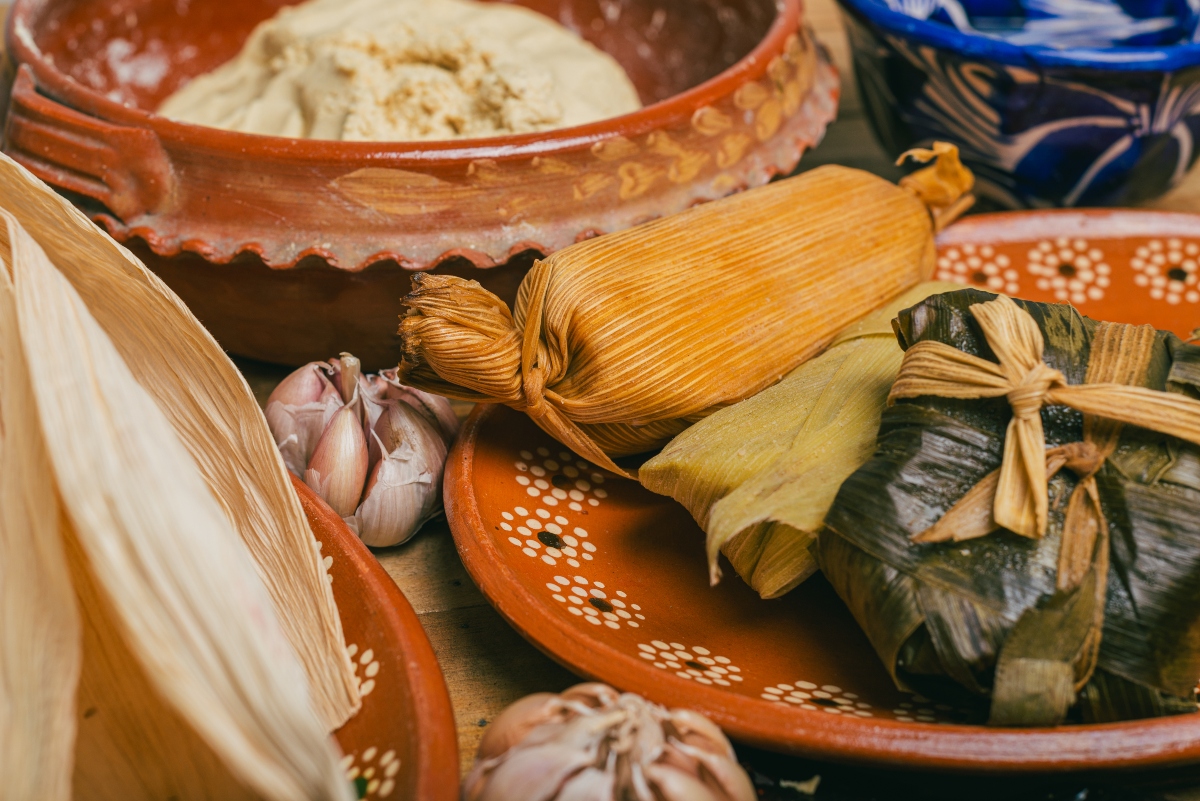
Tacos on a Tuesday, guacamole during a game, store-bought tortillas, and salsa waiting in the fridge. For millions of people in the United States, these foods are such a part of their daily routine that they rarely stop to think about the history behind them.
Latin American recipes in the United States have come a long way. Many were brought over by immigrant families; others already existed in territories that would later become part of the country; and some eventually evolved as they blended with American ingredients and customs.
The result is clear: Latin American cuisine no longer occupies just a corner of the American dining table.
During Hispanic Heritage Month, food offers a delicious way to tell part of the story of a community that has left its mark on the United States generation after generation.
Mexican food has become a staple of everyday meals
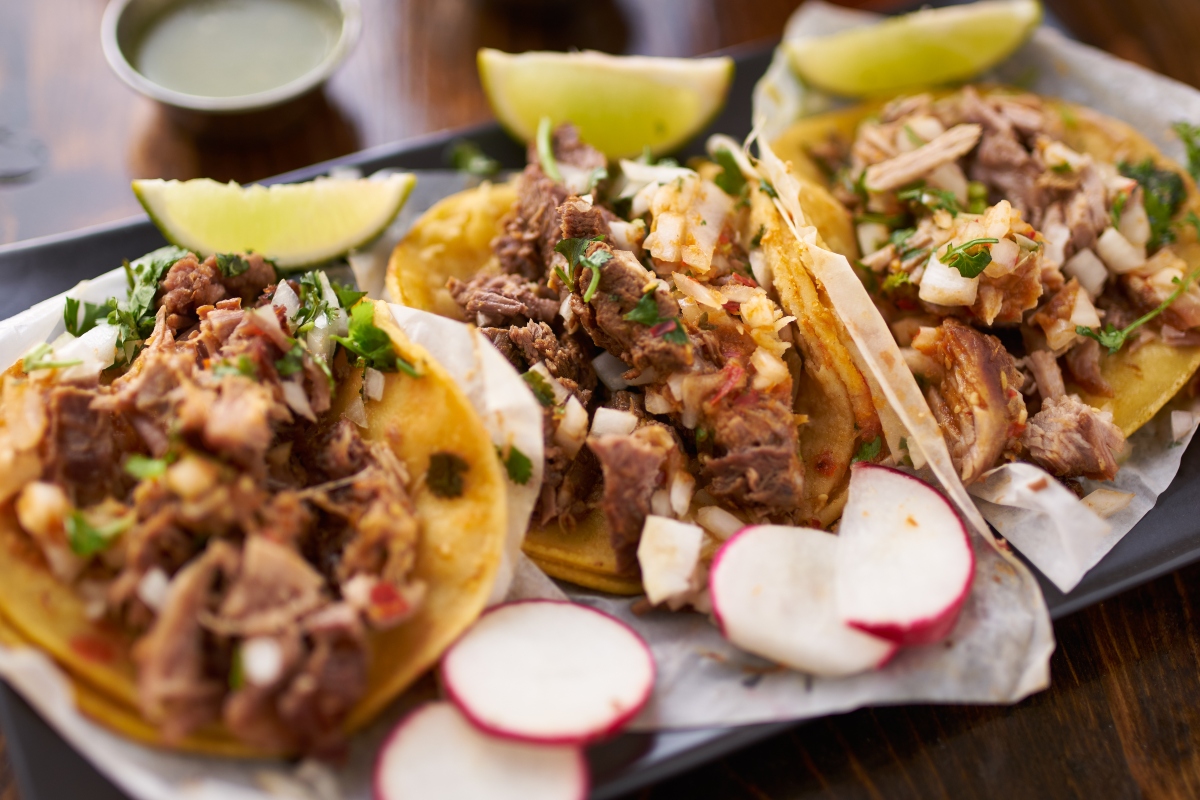
Mexico’s influence is probably one of the most visible examples of Latin American cuisine in the United States.
The Smithsonian’s National Museum of American History explains that Mexican flavors have influenced American cuisine for centuries.
But it was especially during the second half of the 20th century that Mexican-inspired foods spread throughout the country and became firmly established in mainstream cuisine.
Tortillas, tacos, tamales, enchiladas, and salsas were no longer found exclusively within Mexican-American communities.
New recipes also emerged from the interplay between Mexican and American cultures.
That is where, for example, Tex-Mex originated and evolved, and today it is recognized as part of the country’s culinary culture.
The National Museum of the American Latino notes that these types of restaurants began to gain popularity in the 19th century and ultimately helped make many Latin American flavors favorites among the American public.
The numbers show just how far that influence extended.
An analysis by the U.S. Department of Agriculture based on data from the NHANES national survey found that, on any given day, approximately 13% of U.S. adults aged 20 and older consume at least one food classified as Mexican cuisine.
Among those foods, tacos accounted for 39% and burritos for 23%.
But Latin America doesn’t fit inside a taco

To discuss Latin American cuisine solely in terms of Mexican food would leave out a significant part of its history.
Various waves of immigration brought recipes from the Caribbean, Central America, and South America to the United States.
The Smithsonian highlights dishes such as Puerto Rican mofongo, Cuban ropa vieja, Venezuelan arepas, Salvadoran pupusas, and empanadas, as well as ingredients and culinary techniques that reflect centuries of indigenous, European, and African influences.
Each new community brought with it flavors associated with family and their place of origin.
In New York, Miami, Los Angeles, Chicago, Houston, and many other cities, restaurants, bakeries, markets, and small businesses helped preserve these recipes while also introducing them to consumers from other backgrounds.
The story is much older than it seems
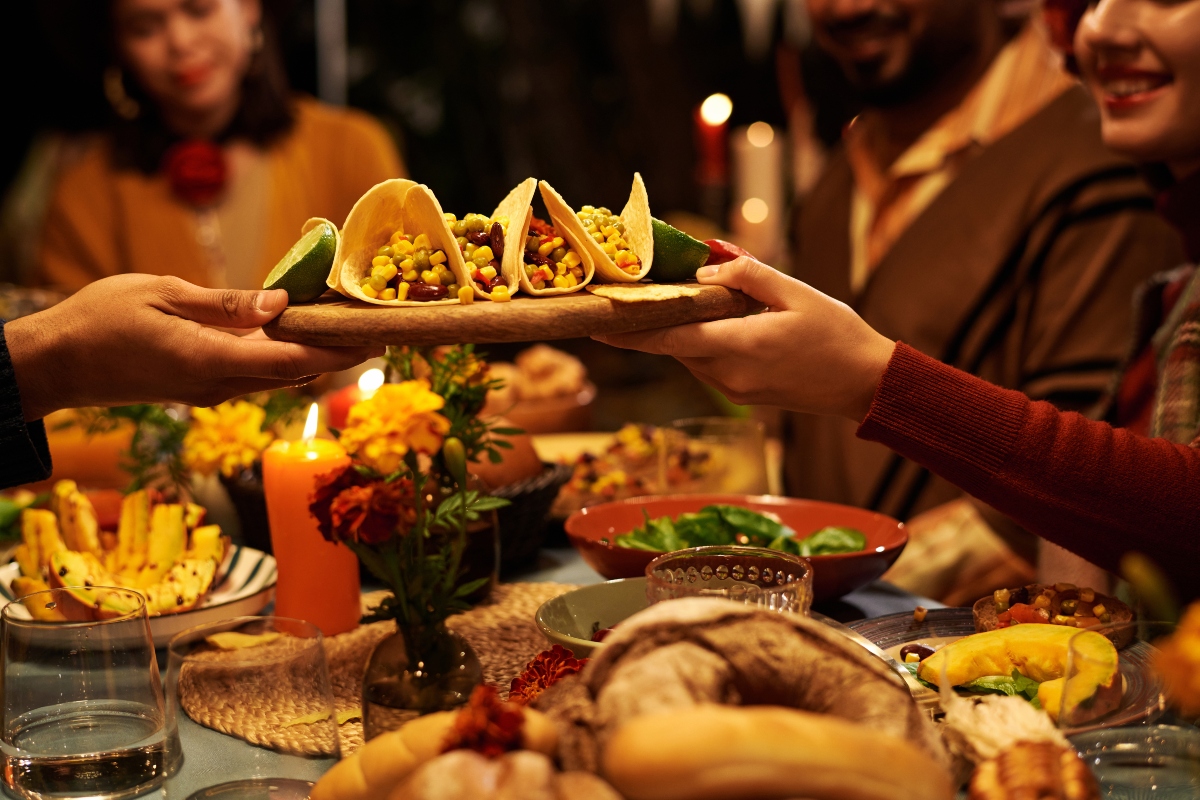
The Latin American influence on American cuisine did not begin with the migrations of the 20th century either.
A historical study published by the National Park Service notes that Spaniards, Indigenous peoples, and other communities were already exchanging food and recipes in places like New Mexico and Florida decades before the Pilgrims’ first Thanksgiving in Plymouth.
Over the centuries, new waves of migration brought about new cultural fusions.
Food thus became a sort of map of population movements: recipes that crossed borders, adapted ingredients, and reached new audiences without necessarily losing their connection to their origins.
From Grandma’s Kitchen to the Supermarket
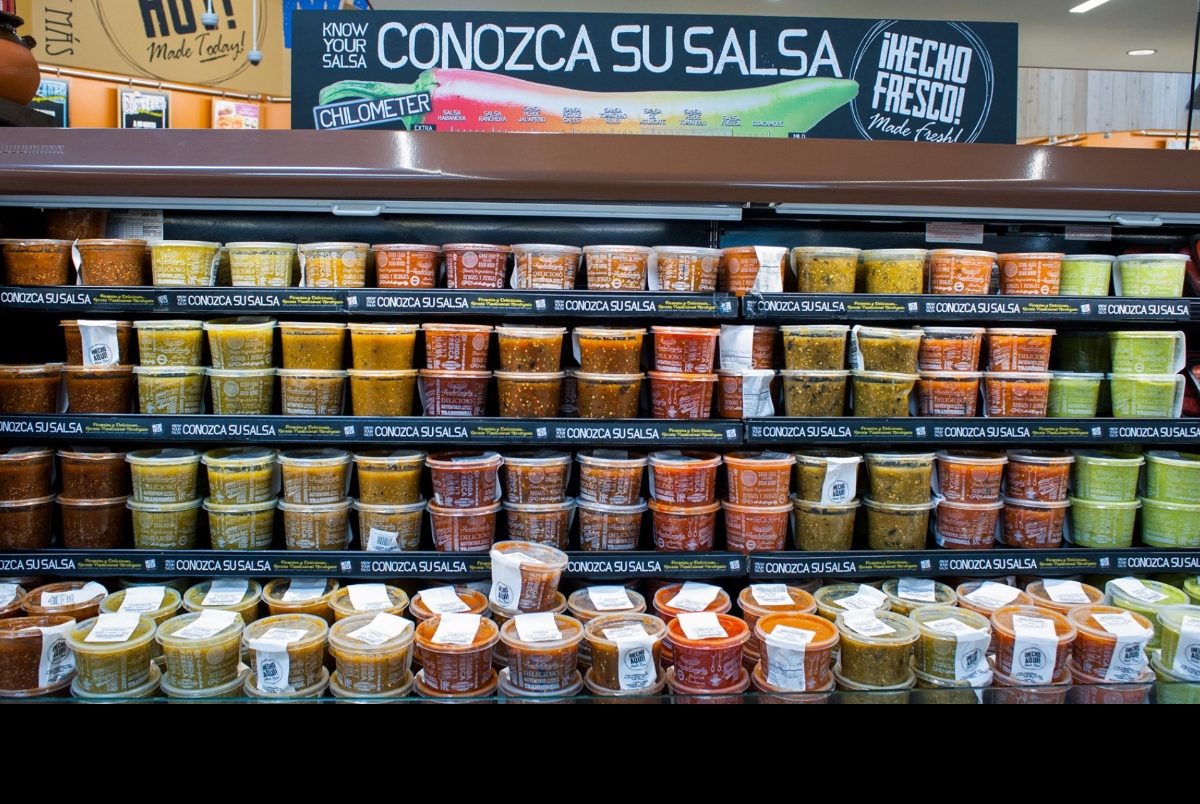
Perhaps one of the clearest signs of this transformation can be found in supermarkets.
Products that were once hard to find outside certain neighborhoods now line the shelves of stores across the country.
Tortillas, beans, salsa, tortilla chips, and other foods associated with Latin American cuisine are part of the mainstream U.S. market.
However, its popularity tells more than just a commercial story.
For an immigrant family, preparing a recipe learned from their parents or grandparents can mean maintaining a connection to the country they left behind.
For their children born in the United States, that same dish can become one of the simplest ways to understand where their family comes from.
And for other Americans who don’t have Latino roots, those flavors may simply be part of their everyday diet.
That is precisely where the transformation lies.
The recipes crossed borders, found their way into restaurants and supermarkets, and were adopted by new generations until they became part of an American cuisine that has never stopped evolving.
During Hispanic Heritage Month, every taco, pupusa, arepa, empanada, or rice dish can also tell a story: that of communities that brought their recipes with them and ended up helping to transform the way Americans eat.
Filed under: Latin American Recipes in the United States