Day of the Dead with Children: How to Explain the Tradition and Remember as a Family
Por Miriam Gonzalez ·
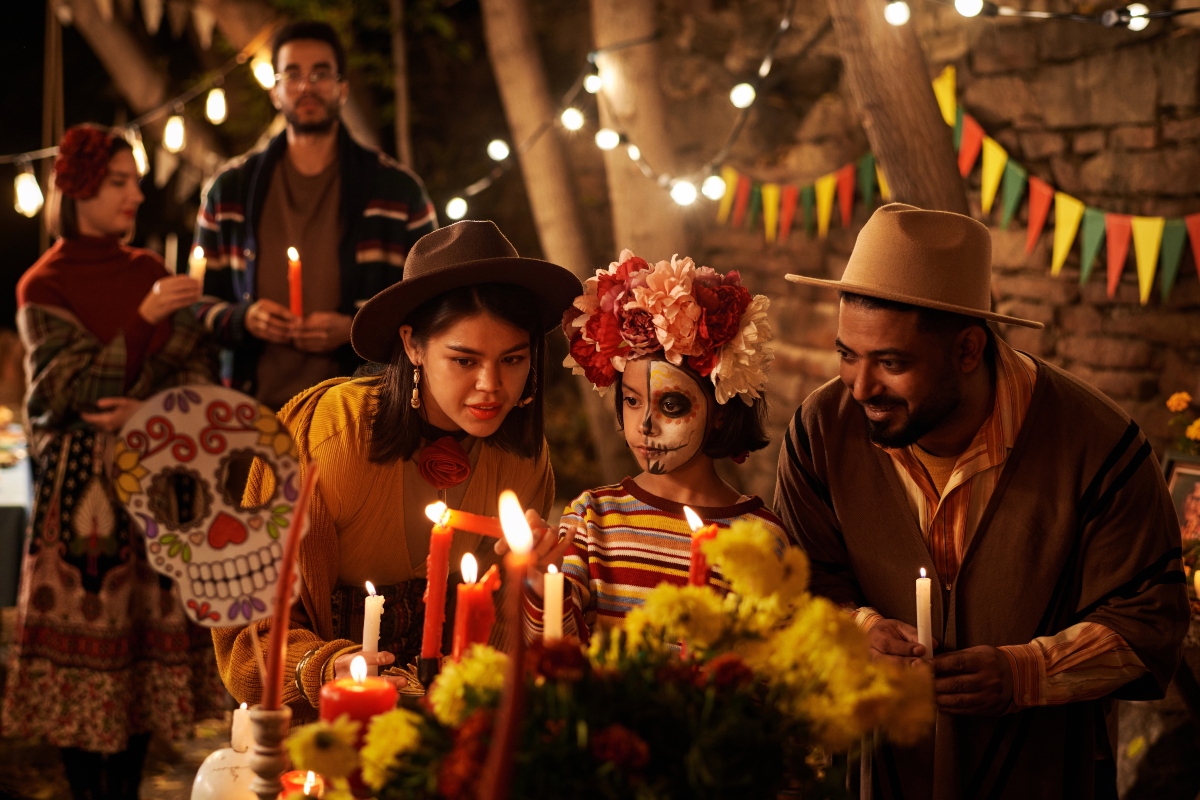
A photograph next to marigolds can raise more questions than any prepared explanation: Who was that person?, Why do we put their favorite food?, Will they return? Sharing a family Day of the Dead allows you to talk about those who have passed away and introduce children to the stories that are part of their roots.
For Hispanic households in the United States, the celebration can also connect generations and places. A story told by grandparents, even through a video call, helps the altar have personal meaning beyond its colors.
Day of the Dead for Children: Starting with Memories
UNESCO explains that indigenous festivals dedicated to the dead celebrate, according to community beliefs, the temporary return of deceased loved ones.
Preparations include flowers, candles, and food to welcome them.
With children, you can start with something concrete: «We put this photograph because we want to remember grandmother and tell the things we enjoyed with her».
Then, share your household’s beliefs using expressions like «in our family we believe» or «in our town it is customary».
This allows you to explain the spiritual dimension without confusing it with a physical return to life.
Answering Questions About Death with Clarity
The American Academy of Pediatrics recommends avoiding explanations like «they fell asleep» or «they went away on a trip».
Young children may understand them literally and feel fear when sleeping or separating from their caregivers.
If they ask what dying means, a simple explanation is that the body stopped working and the person will not live again.
You can add that you still love them and keep memories of them.
You don’t need to answer all questions at once.
Listen to what your child wants to know and acknowledge when you don’t have an answer.
Nationwide Children’s Hospital advises using honest, kind language appropriate to their understanding.
Activities to Give Meaning to the Altar
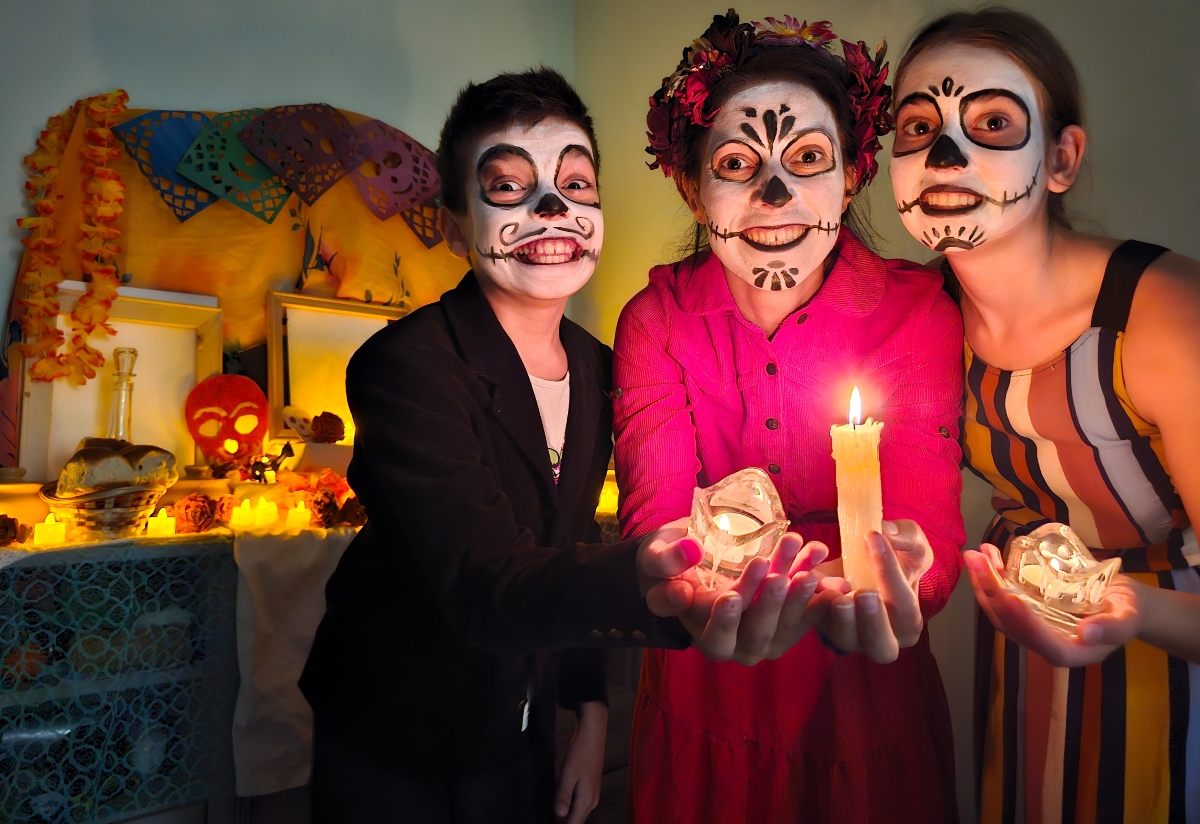
Invite children to choose a photograph and ask about its story.
If they never met that person, tell them something everyday: what they cooked, how they laughed, or what song they played when they were happy.
They can also draw, write a memory, prepare a family recipe together, or put together a box with photographs and meaningful objects.
Nationwide Children’s Hospital proposes activities of this type to honor those who have passed away.
As a way to share the tradition between generations, you can ask relatives who live far away what elements they placed on their altars.
This way they will discover their own family’s customs.
Allowing Each Child to Participate in Their Own Way
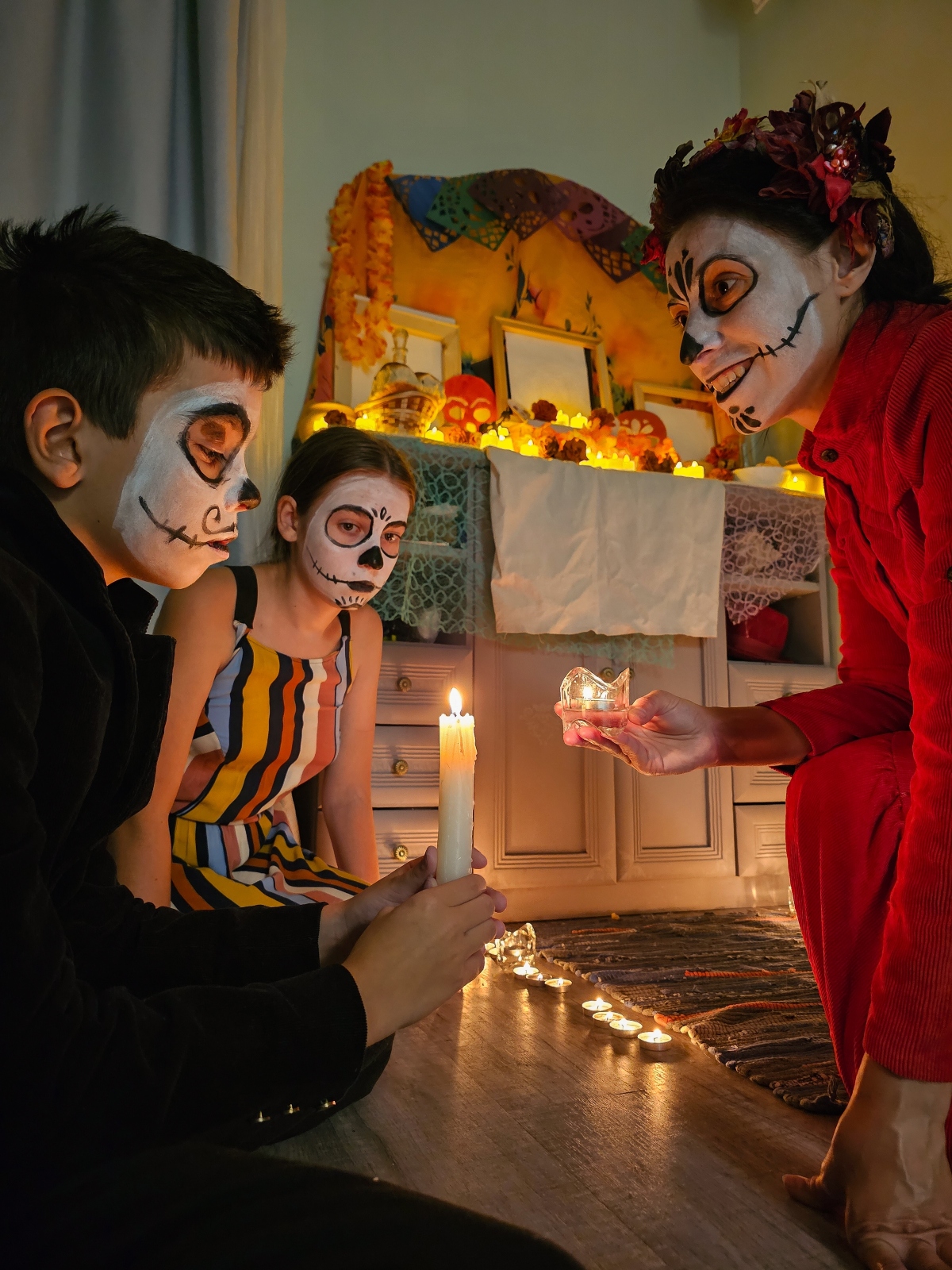
One child may enjoy the decorations and then become sad.
Another may prefer to observe or change the subject.
It is not necessary to demand enthusiasm or ask them to explain their feelings in front of everyone.
UNICEF notes that reactions to loss vary and recommends including children in tributes they feel comfortable with.
Drawing, reading something they wrote, or sharing a song are some possibilities.
If they don’t want to participate, you can leave the invitation open.
Accompanying them also means respecting their silences.
When There Is a Recent Loss
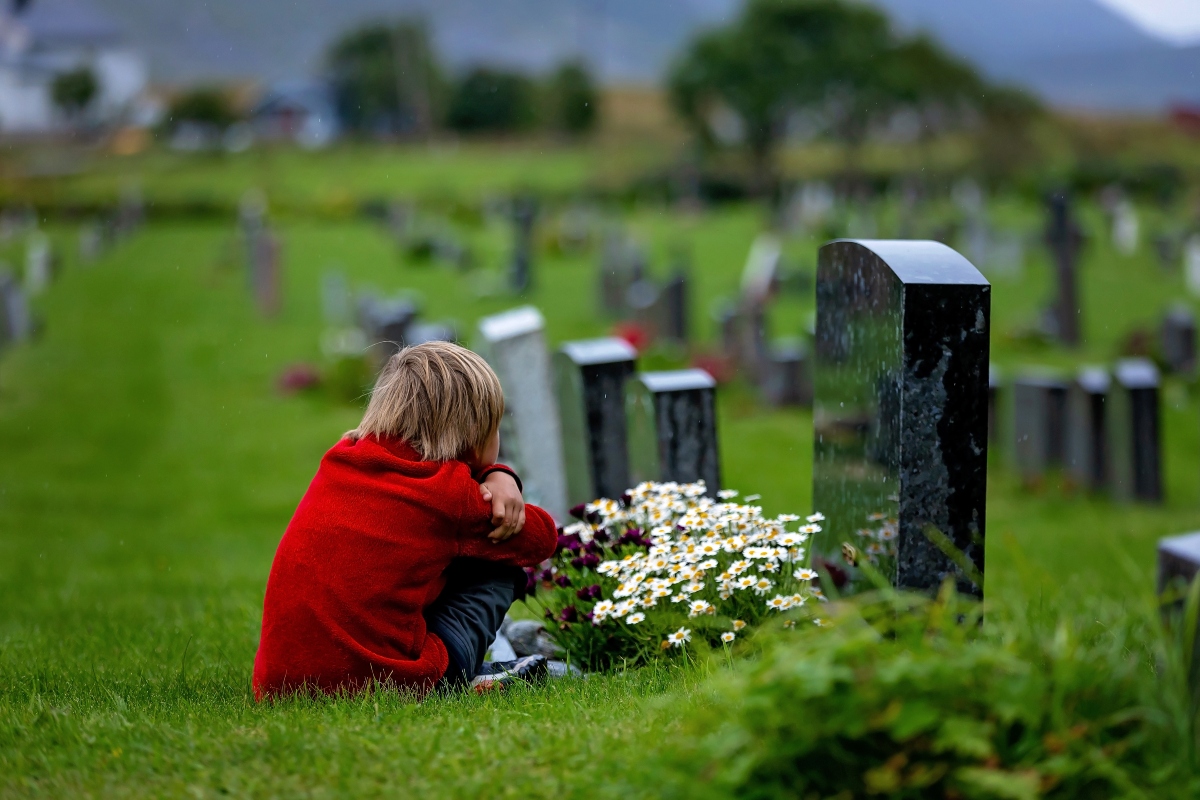
The celebration does not require hiding tears.
You can explain that you are sad because you miss someone and that you also enjoy remembering the moments you shared.
Maintaining routines and offering constant care helps support children, according to UNICEF.
If difficulties with sleeping, eating, attending school, or socializing persist, consult with their pediatrician.
The space to talk and receive support should continue after removing the altar.
Filed as: Day of the Dead for Children