Can You Make an Offering to Someone Who Just Died? Here’s What Mexican Tradition Says
Por Miriam Gonzalez ·
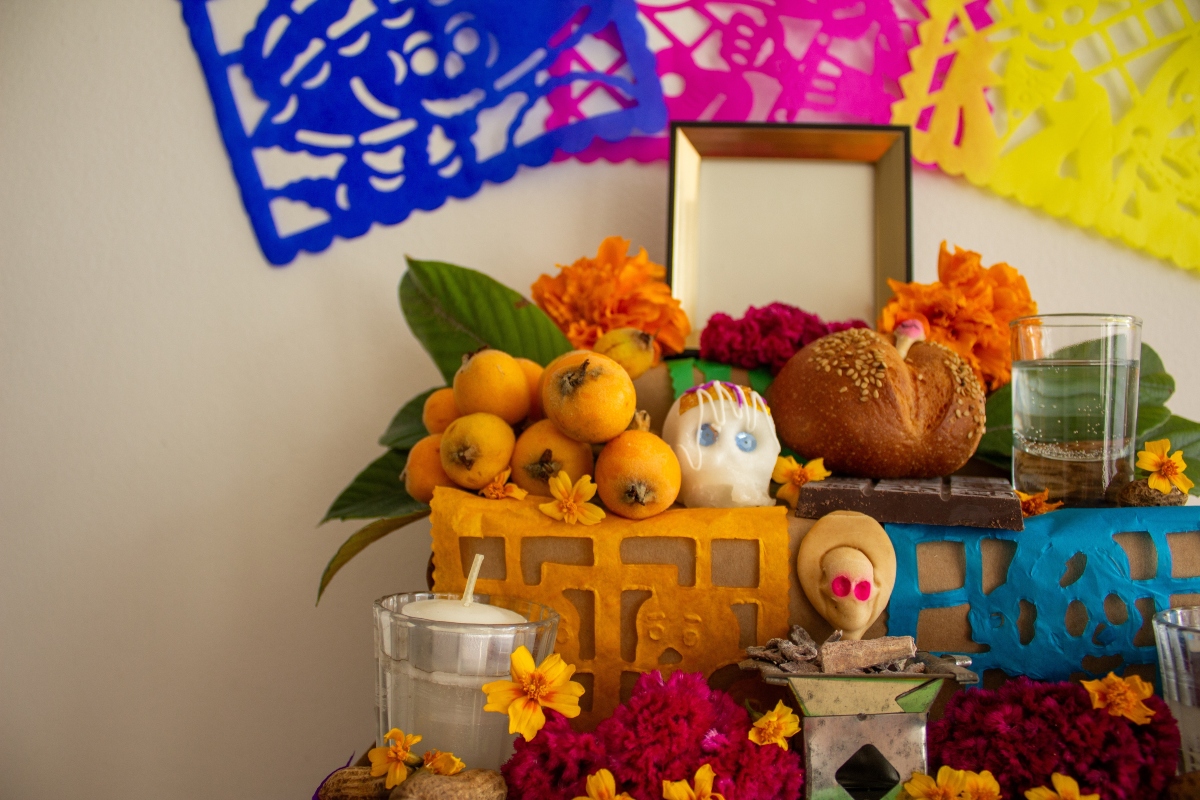
Preparing a recent Day of the Dead altar can spark doubt among those experiencing the loss of a loved one: is it necessary to wait a year before placing their photograph and dedicating an offering to them? The answer depends on family and community customs. In Mexico there are different practices, so presenting the wait as a national prohibition excludes other ways of celebrating.
Some families believe it is not yet time to receive the deceased at the altar. Others, in contrast, prepare a special offering precisely because it is the first Day of the Dead after their passing.
The distinction matters: a belief passed down in a household can hold great significance for its members without becoming an obligation for all Mexican families.
Recent Day of the Dead Altar: Where the Wait Comes From
N+ documents the belief that at least a year must pass before incorporating a deceased person into the family offering.
The explanation presented relates to a transition period of the soul and its journey after death.
These ideas belong to the spiritual and cultural realm.
They should not be described as proven facts, nor used to claim that placing a photograph before the anniversary will harm the deceased.
It is also advisable to avoid a single explanation about its origin.
Day of the Dead brings together diverse traditions, with indigenous and Catholic contributions that have changed over time, as noted by the National Institute of Anthropology and History.
The First Year Can Also Receive an Offering
The diversity of customs allows for finding practices different from waiting.
A publication by El Tlacuache, a supplement of the INAH Morelos Center, describes cases in which the first offering is assembled with contributions from family and friends: bread, fruit, flowers, and candles.
In Malinalco, State of Mexico, offerings are prepared for so-called «new dead,» dedicated to people who died during the past year.
These examples show why it is not accurate to assert that Mexican tradition prevents, without exception, dedicating an altar during that period.
In certain places, a recent loss is precisely the reason for a particular tribute.
What It Means to Remember Through an Offering
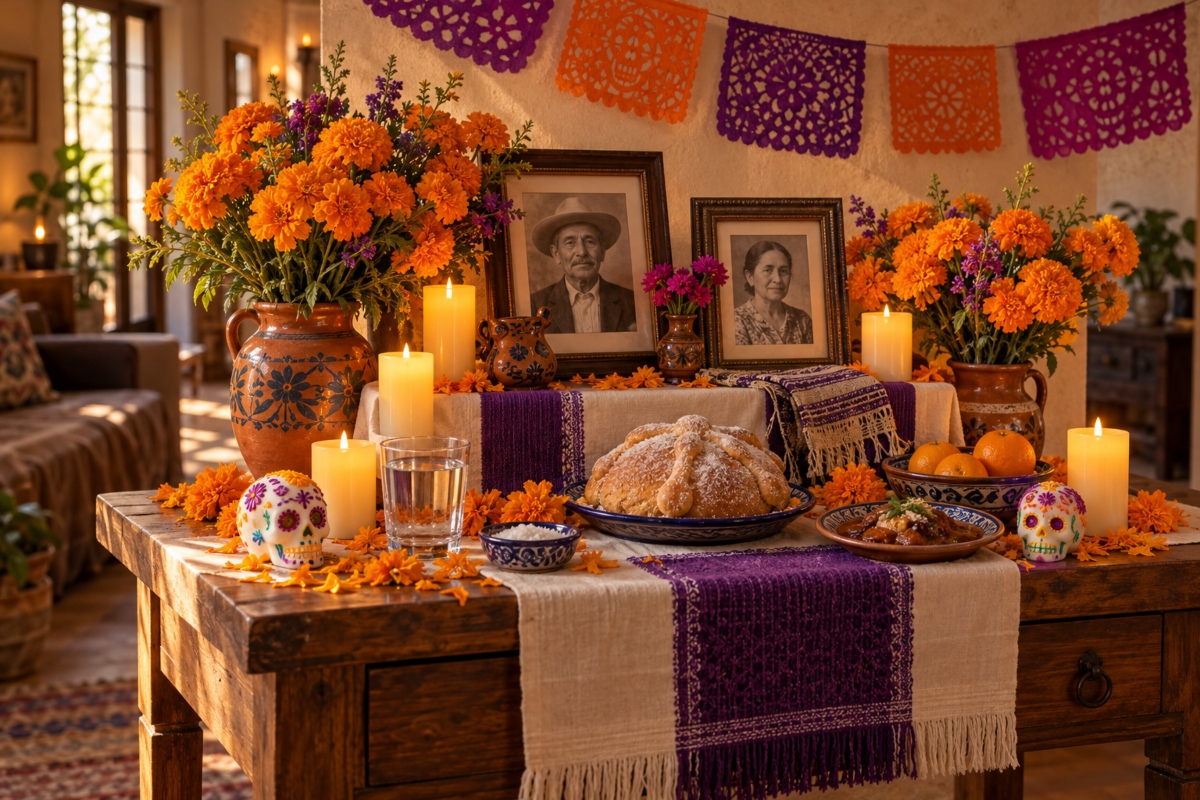
UNESCO explains that indigenous festivals dedicated to the dead celebrate, according to community beliefs, the temporary return of deceased family members.
Flowers, candles, and food are part of the preparations to receive them.
That meaning helps us understand that the altar expresses a relationship with memory and with the community.
Its significance is not limited to completing a list of objects or reproducing an identical image in all homes.
For Mexican families living in the United States, the question can also open a conversation about the practices they learned from their parents and grandparents.
How to Decide as a Family
Before preparing the offering, it can be helpful to ask what custom is followed in the place of origin and how each family member wishes to participate.
Perhaps someone wants to place a photograph starting this year, while another person prefers to wait or remember in a more private way.
The decision can be discussed without presenting any of those options as a lack of affection.
If the family belongs to a community with specific rituals, consulting with those who know them allows for better understanding their meaning.
Dedicating the altar now or waiting until the first anniversary responds to different traditions.
What documentation allows us to affirm is that there is not a single practice that represents all of Mexico.
Filed as: Altar for recently deceased