7 Myths About Breast Cancer We Need to Stop Sharing
Por Miriam Gonzalez ·
A forwarded message can seem like a helpful recommendation: «if it doesn’t hurt, nothing is wrong» or «if no one in your family had it, you don’t need to get checked.» However, breast cancer myths can create false reassurance or fear of tests that help detect the disease.
During October, Breast Cancer Awareness Month, it’s worth reviewing what medical sources support before sharing advice. These seven clarifications explain the risk, symptoms, and detection without turning every body change into an alarm.
Breast Cancer Myths: What We Know About Risk
1. «If There Are No Cases in My Family, It Can’t Happen to Me»
Family history can increase risk, but it is not a prerequisite for developing breast cancer.
The American Cancer Society notes that up to 10% of cases are considered hereditary, associated with genetic alterations passed down through families.
Heredity and family history do not mean exactly the same thing.
The evaluation also considers age and other personal factors: a family without known diagnoses does not equal zero risk.
2. «It Only Affects Older Women»
Risk increases with age, but the disease can also appear in young women.
The age at which routine mammograms are recommended is not a boundary below which breast cancer is impossible.
A young person with a breast change needs evaluation based on their symptoms.
Those at elevated risk may require earlier or more frequent testing, according to their medical team.
3. «Men Don’t Get Breast Cancer»
Men also have breast tissue and can develop this disease, although it is much less frequent.
According to the American Cancer Society, the most common symptom is a lump, usually firm and painless, near the nipple.
Nipple retraction, discharge, or skin changes also warrant consultation.
Dismissing them because it’s a man can delay evaluation.
Symptoms and Everyday Products: Two Common Misconceptions
4. «If the Lump Doesn’t Hurt, It’s Not Cancer»
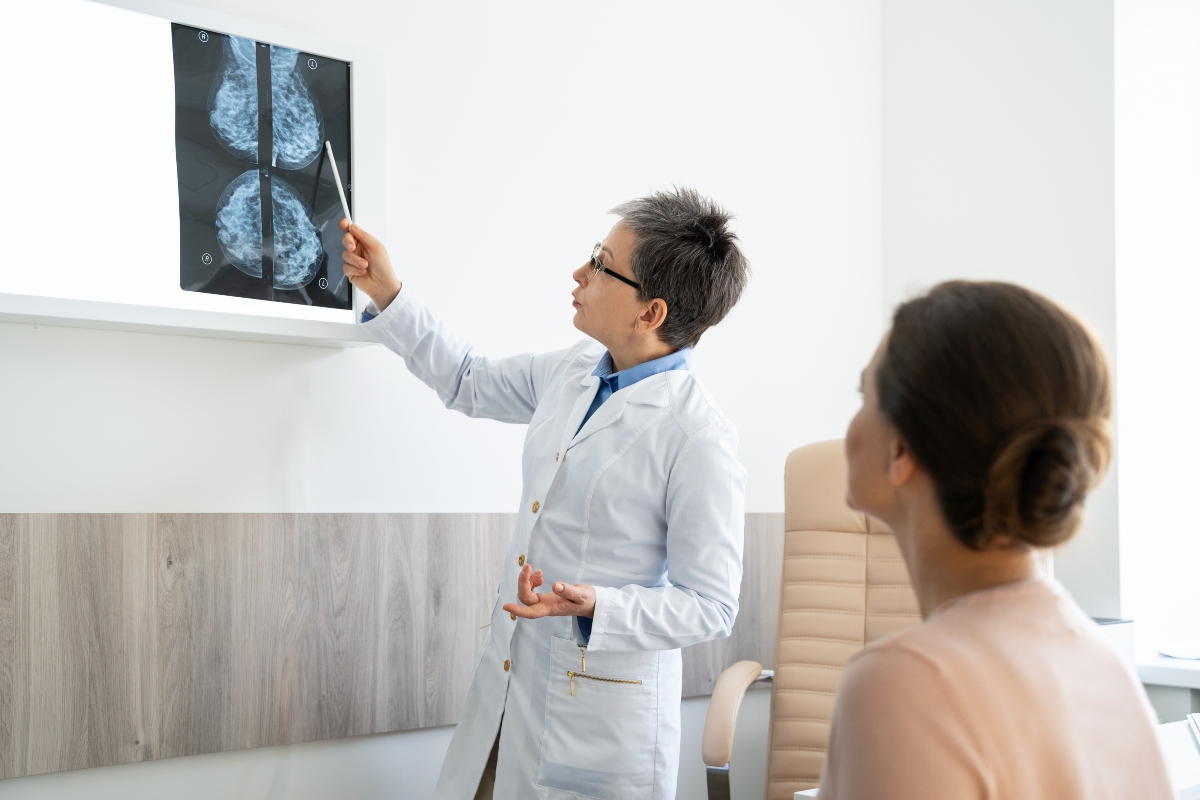
The National Cancer Institute explains that breast cancer typically does not cause pain and can have no symptoms in early stages.
Most breast changes are not cancer, but a new lump, skin dimpling, or nipple changes require evaluation.
Even a recent normal mammogram does not eliminate the need to consult about a new change.
Persistent pain should also be checked.
5. «Deodorants and Antiperspirants Cause Breast Cancer»
Social media chains linking these products to the buildup of «toxins» do not support that claim.
The National Cancer Institute indicates that there is no scientific evidence linking their use to breast cancer development.
A post mentioning aluminum or chemical ingredients is not enough to establish a causal relationship.
Sharing that conclusion as a fact creates concern without backing.
Mammograms and Self-Examination: What Role Each Plays
6. «Mammogram Radiation Is So Dangerous It’s Worth Avoiding»
Mammography uses X-rays and the risk of cancer associated with that exposure is very low, according to the National Cancer Institute.
Tests can also produce false alarms and overdiagnosis; that’s why a schedule based on age and risk is recommended instead of avoiding them altogether.
In the United States, the USPSTF recommends a mammogram every two years between ages 40 and 74 for women with average risk.
Other organizations propose different schedules; an individual plan should be reviewed with a professional.
7. «If I Check My Breasts at Home, I Don’t Need a Mammogram Anymore»
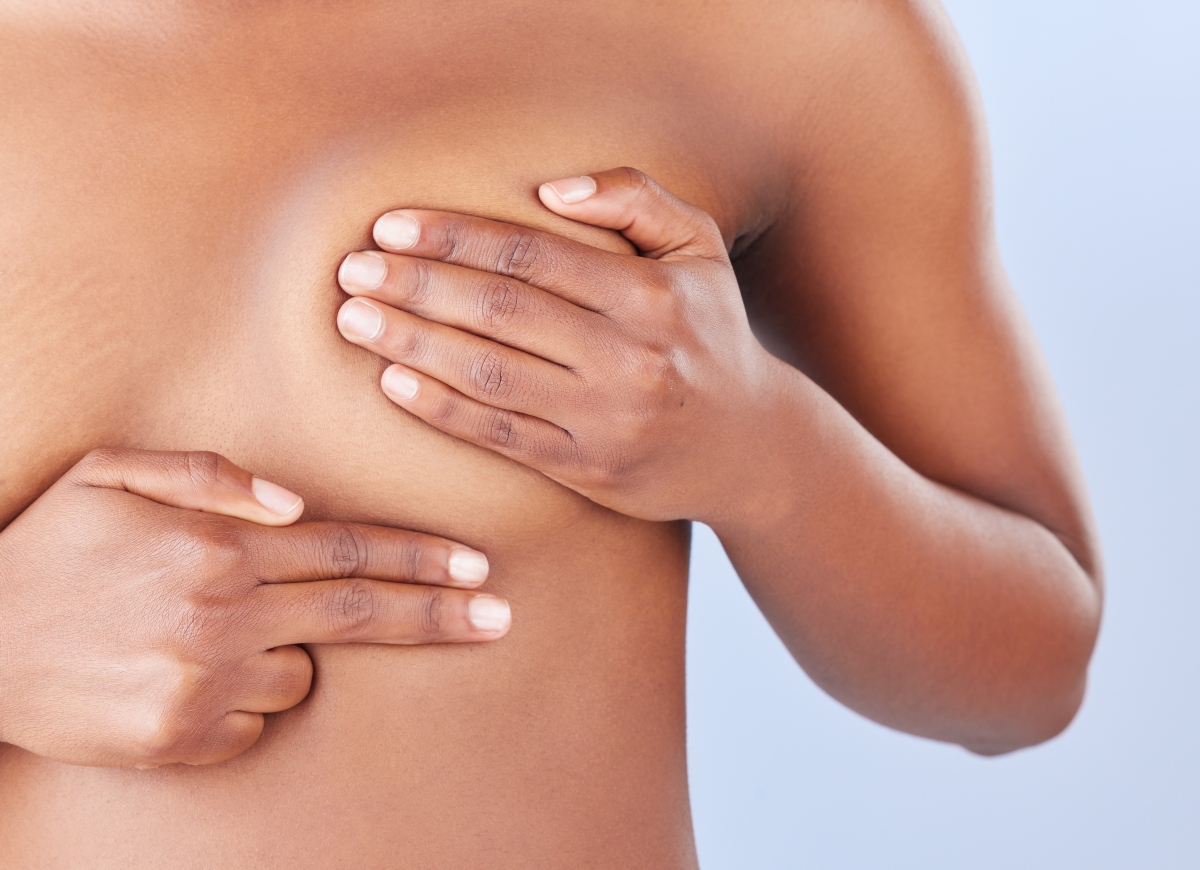
Knowing what your breasts look and feel like can help you notice changes.
However, self-examination does not replace recommended tests: a mammogram can detect cancer before it is palpable or causes symptoms.
If cost is a barrier, ask about the CDC’s National Program for Early Detection of Breast and Cervical Cancer at the CDC.
It offers free or low-cost services to people who meet the requirements.
Confirming eligibility and requesting information in Spanish can facilitate access.
Filed as: Breast cancer myths