“The Horror Show” is causing a sensation at the Hollywood Academy Museum
Por Miriam Gonzalez ·
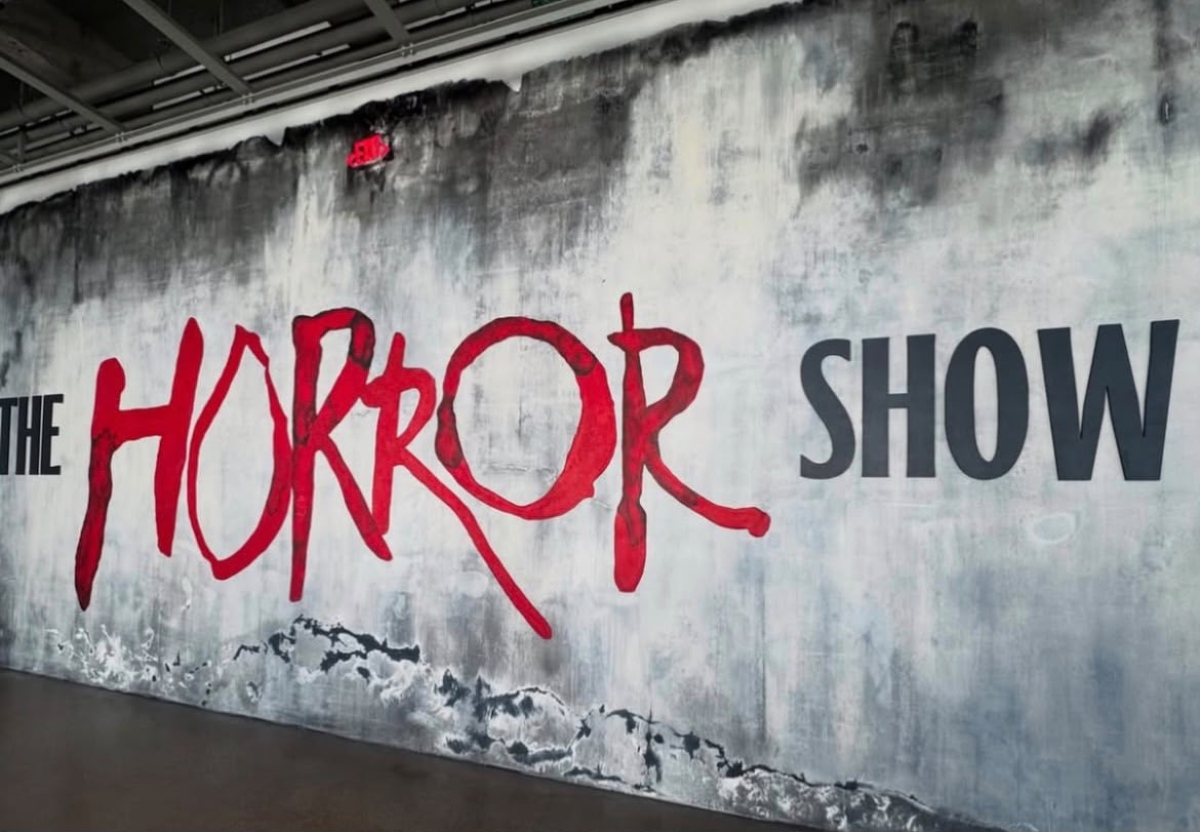
Horror films are leaving the theaters and taking up residence at the Hollywood Academy Museum with “The Horror Show,” an immersive exhibition that traces more than a century of history and explores the reasons behind our fascination with this genre.
In response to the question, “Why are horror movies so important to so many people?”, the exhibition, which opens to the public this Saturday, features 364 original props, costumes, and production materials (representing a total of 167 titles), as well as interactive installations spread across six themed “rooms.”
“Horror invites us to have an emotional reaction. And I think there are emotions that we want—that we need—to experience, such as fear, but in a safe space,” says Jessica Niebel, a curator at the museum, in an interview with EFE.
The tour begins with a soundscape that immerses visitors in a terrifying atmosphere, serving as a prelude to “The Corridor,” a long corridor, straight out of a movie, that leads to the six themed galleries or “chambers” where some of horror’s most iconic objects and characters await.
The exhibition is designed to make visitors feel as though they are stepping into each scene: In the “Psychological” room, a psychiatric hospital displays the jacket Jack Nicholson wore to portray Jack Torrance in *The Shining* (1980), as well as the axe he uses to chase his wife, Wendy.
The Science exhibit, for its part, transports visitors to a laboratory similar to the one that brought Frankenstein to life.
“The Horror Show,” The Hollywood Academy Museum: A Barometer of a Dark Era
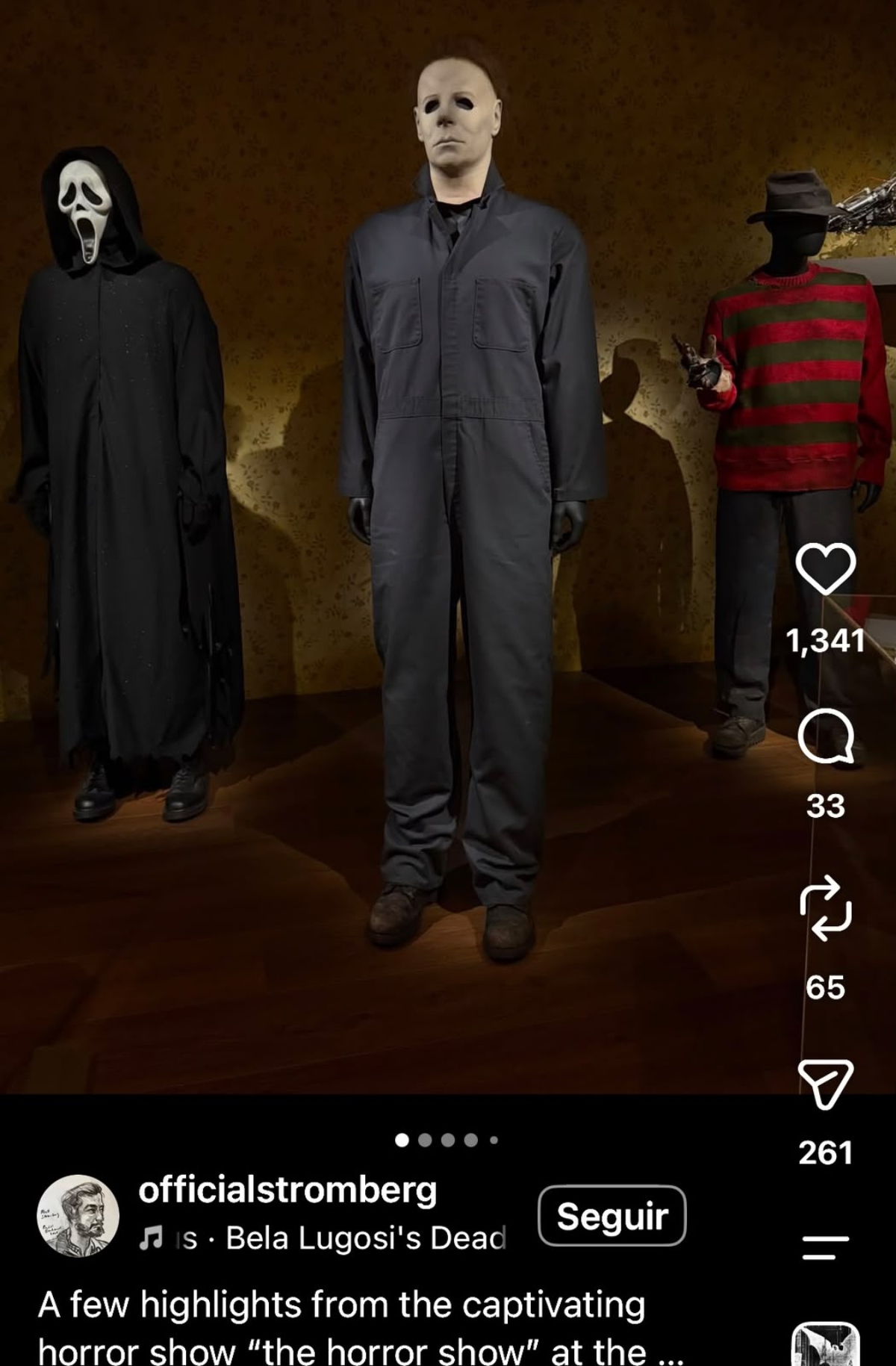
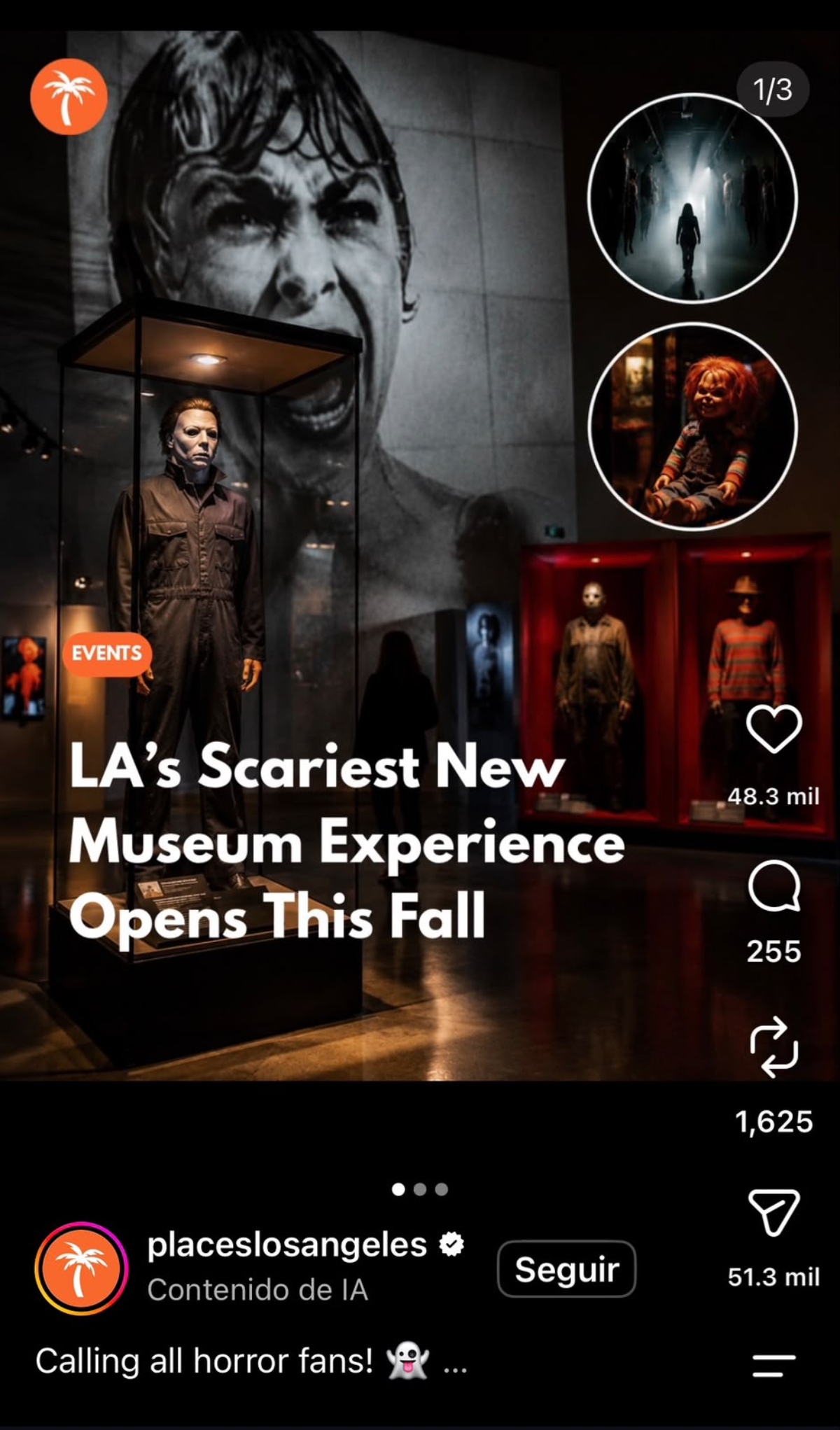
The Slasher exhibit, on the other hand, lets visitors break into a killer’s house and features figures dressed in the original costumes of Michael Myers (“Halloween,” 1978) and Freddy Krueger (“A Nightmare on Elm Street,” 1984), as well as the Chucky doll (‘Child’s Play’, 1988) and his girlfriend Tiffany Valentine, along with other iconic horror figures such as Pennywise from ‘It’.
“Gothic” introduces visitors to the world of vampires, featuring the original cape that Béla Lugosi wore in 1931 when he played “Dracula” as its centerpiece, while “Religion” and “Ghosts” round out the tour with settings characteristic of each subgenre.
Niebel explains that the exhibition, which took two years to come together, was organized after consulting not only experts and collectors, but also various communities and horror fans.
“I’ve heard incredible stories about how certain movies changed people’s lives—how people suddenly felt seen and recognized on screen,” says the curator, who believes that the genre is, ironically, “one of the most inclusive.”
From his perspective, 2026 has been a great year for horror movies, and he attributes part of its success to the turbulent times humanity is going through.
“Terror always thrives when the world gets a little darker (…). In times of war or any other real-life situation,” he explains.
“We need a kind of outlet to confront what we feel during the day—the pressures we face in our daily lives—to confront them, work through them, and then feel relief,” he adds.
The exhibition, which will run through July 2027, also features areas designed for “selfie” lovers, such as the opportunity to take a photo with Norman Bates’s mother from *Psycho* (1969), in a macabre, blood-stained room, or to pose inside a coffin, according to Agencia EFE.