Sleeping with a night light could affect the structure of the heart
Por Miriam Gonzalez ·
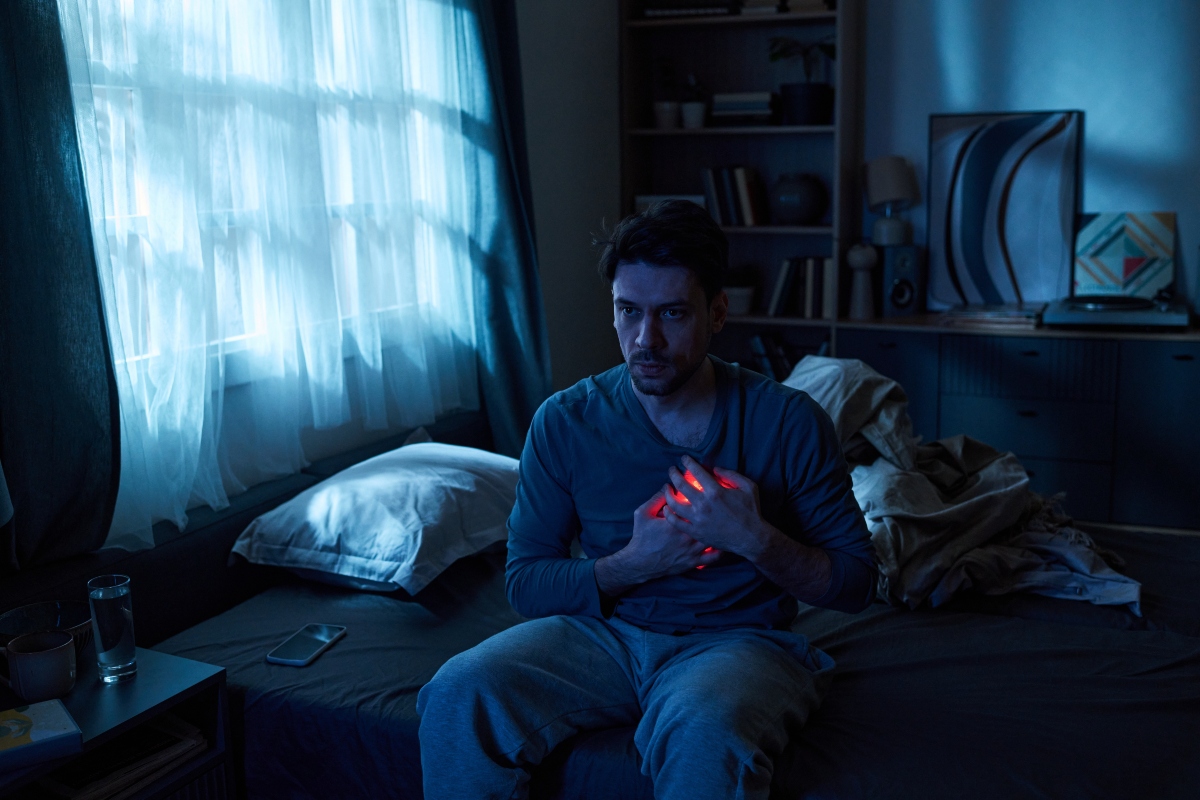
Leaving your phone on, sleeping in front of a bright digital clock, or letting streetlights shine through the window might seem harmless. However, new research suggests that even relatively small amounts of light during sleep could be linked to adverse changes in the structure and function of the heart.
The study, published in the European Heart Journal, analyzed more than 11,000 participants in the UK Biobank who did not have cardiovascular disease at the start of the study.
Each person wore a wrist-worn device equipped with a sensor for seven days to track their exposure to light. About three years later, the participants underwent a cardiovascular MRI to assess the structure and function of their hearts. These are the results of sleeping with a night light on.
What happens when exposure exceeds 3 lux?
The researchers paid special attention to nighttime exposure exceeding 3 lux—an intensity comparable to a room dimly lit from outside, light seeping in under a door, or nearby electronic devices.
Compared with those who were not exposed, people in the highest exposure group had thicker walls in the left ventricle, the chamber responsible for pumping oxygenated blood to the rest of the body.
The group with the highest exposure had an average increase of 2.4% in height-adjusted left ventricular mass, 1.5% thicker walls, and a 1.9% reduction in the ejection fraction of the heart muscle.
Associations with changes in the right ventricle and the left atrium were also observed.
This process is known as cardiac remodeling and can occur before a person notices any obvious symptoms.
More light, lower heart efficiency
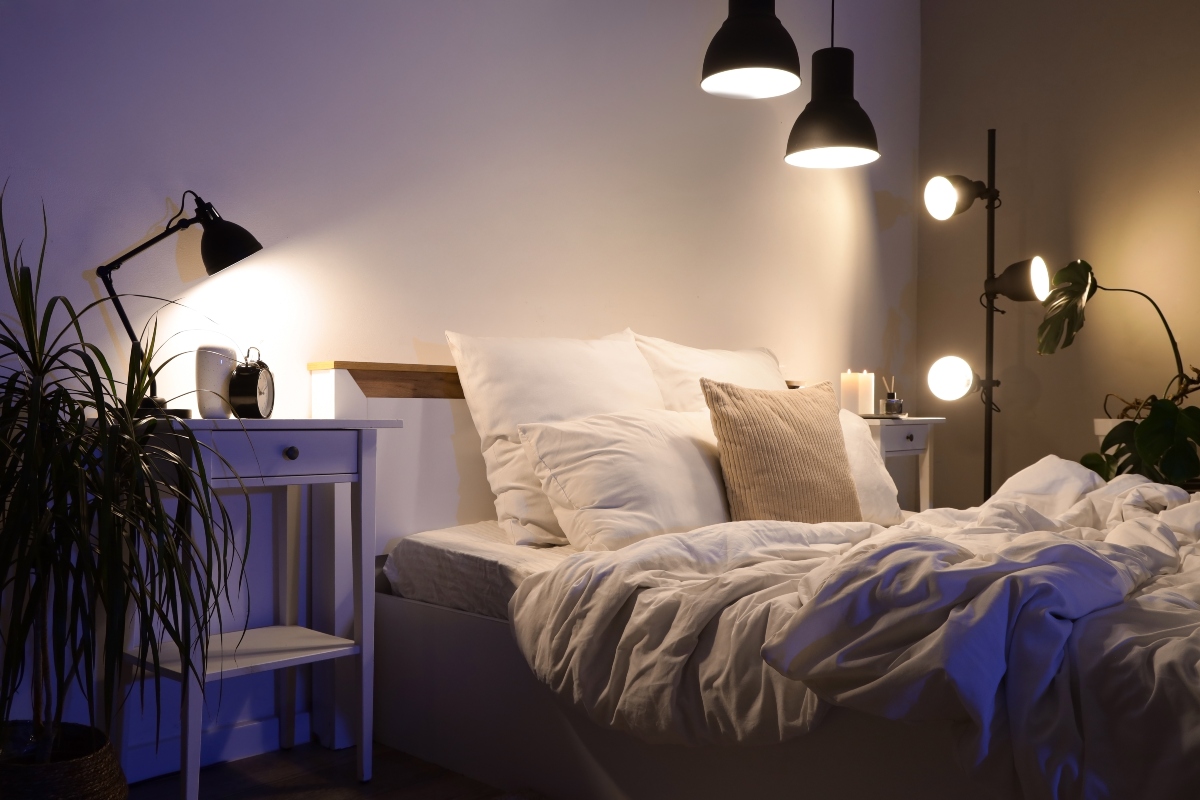
The heart needs to maintain a flexible structure that allows it to fill and contract efficiently.
When your heart muscle becomes too thick or stiff, it has less internal space and may have more difficulty pumping blood.
The data showed a gradual relationship: the greater the exposure to light at night, the more pronounced some of the observed changes were.
In a larger study, involving tens of thousands of participants over a follow-up period of eight to ten years, higher levels of nighttime light were also associated with a 29% higher risk of heart failure, a 15% higher risk of atrial fibrillation, a 24% higher risk of heart attack, a 33% higher risk of stroke, and a 26% higher risk of cardiovascular mortality.
These figures represent statistical correlations and do not mean that sleeping with the light on will necessarily cause any of those diseases.
Does sleeping with a night light have an effect?
The reduction in sleep duration statistically accounted for between 24% and 49% of the associations between nighttime exposure and cardiac changes.
Light is an important cue for the body’s internal clock.
Exposure to it at night can disrupt circadian rhythms, affect melatonin production, and influence processes related to sleep, blood pressure, heart rate, and metabolism.
Previous research has also linked exposure to light during rest to increased nervous system activity and changes in cardiovascular regulation.
The National Heart, Lung, and Blood Institute has reported on experimental studies that point in the same direction.
How can I reduce the amount of light in the room?
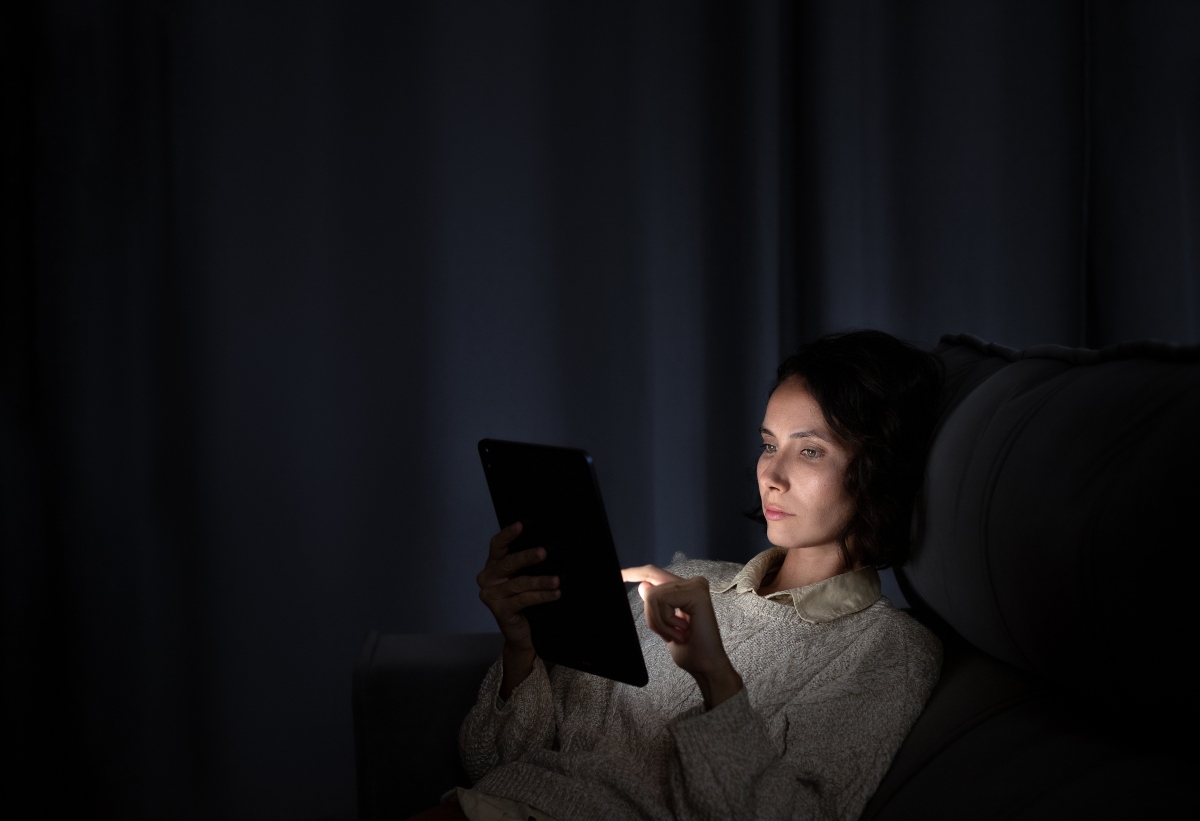
Reducing nighttime lighting can be achieved through simple changes.
Blackout curtains or blinds can block out advertisements, streetlights, and headlights from vehicles outside.
It’s also a good idea to turn off the hallway lights, place your phone face down, and dim the screens of watches, chargers, or other electronic devices.
When it’s not possible to completely darken the room, an eye mask can help.
If you need light to walk safely at night, it’s best to choose soft, warm lighting placed close to the floor.
In the morning, opening the curtains and letting in natural light helps strengthen your circadian rhythm and signals to your body that the active period has begun.
Limitations to Consider
The study has several limitations.
Light exposure was measured for only seven days using a sensor worn on the wrist, so it does not necessarily accurately reflect the amount of light that reached the eyes.
In addition, the average age of the participants was approximately 61 years, and 97.6% were of white descent, which limits the ability to generalize the results to all populations.
Nor can we rule out the influence of other factors related to health, sleep patterns, or the environment.
Because this is an observational study, its results do not allow us to establish a direct cause-and-effect relationship.
Even so, darkening the room is a simple step that can improve the quality of your sleep.
The full study is available in the *European Heart Journal*.
Filed under: Sleeping with a night light