Pumpkin Spice: How an Autumn-Flavored Coffee Took Pop Culture by Storm
Por Miriam Gonzalez ·
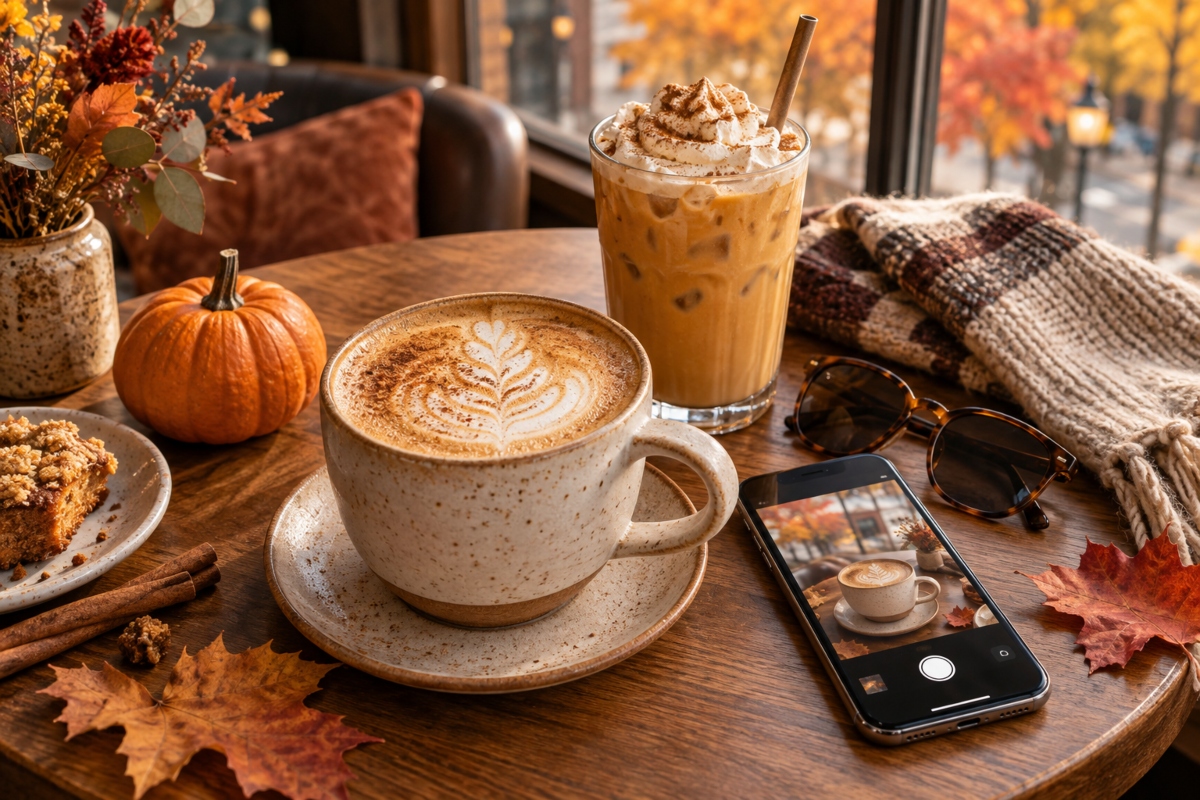
It happens earlier every year. It’s still hot in much of the United States when coffee shops, supermarkets, and social media start filling up with shades of orange, cinnamon, and pumpkin. The sign seems unmistakable: pumpkin spice season is back.
However, what began as a blend of spices associated with traditional pumpkin pie has evolved into something much bigger. Today, it’s a million-dollar business, a social media trend, and a cultural phenomenon that unofficially marks the beginning of fall.
But how did a seasonal drink come to symbolize an entire season?
Pumpkin spice isn’t actually pumpkin
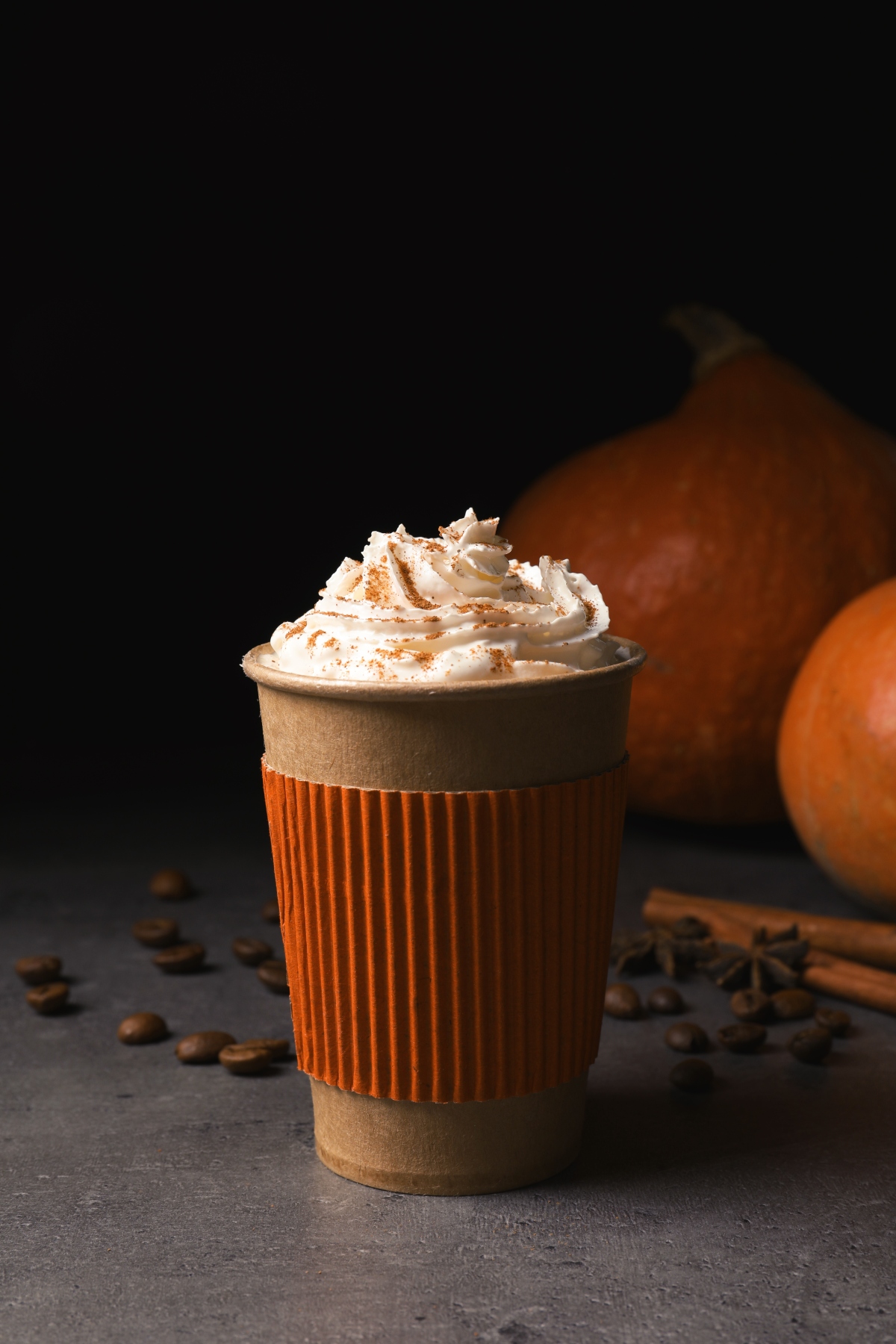
Despite its name, pumpkin spice doesn’t necessarily contain pumpkin.
It is a blend of warm spices that typically includes cinnamon, nutmeg, ginger, and cloves.
Some versions also include allspice.
The blend is inspired by the spices used to make pumpkin pie, one of the most iconic desserts of fall and Thanksgiving in the United States.
Although these spices had been used for a long time, McCormick began marketing its ready-made pumpkin pie spice blend in 1934.
The product allowed families to achieve the dessert’s signature flavor without having to buy and measure each ingredient separately.
For several decades, it was mainly used in baking. Everything changed when it made its way into coffee shops.
The coffee that turned fall into an experience
In 2003, a team at Starbucks began developing a drink to add to its seasonal menu.
During the testing, the creators sampled bites of pumpkin pie along with sips of espresso to determine which flavors paired best with the coffee.
The chosen recipe combined espresso, steamed milk, and a sauce made with cinnamon, cloves, and nutmeg.
It was first tested in about 100 locations, and, given the positive response from consumers, the Pumpkin Spice Latte made its way to Starbucks stores across the United States in the fall of 2004.
The drink, popularly known as PSL, ended up becoming the company’s most popular seasonal product and an annual tradition for millions of consumers.
With the rise of Facebook, Twitter, Instagram, and, later, TikTok, the phenomenon spread beyond coffee shops.
Taking a photo of the first pumpkin spice latte of the year became a way to announce that fall had begun, even when the temperatures still felt like summer.
From a Viral Drink to a Million-Dollar Business
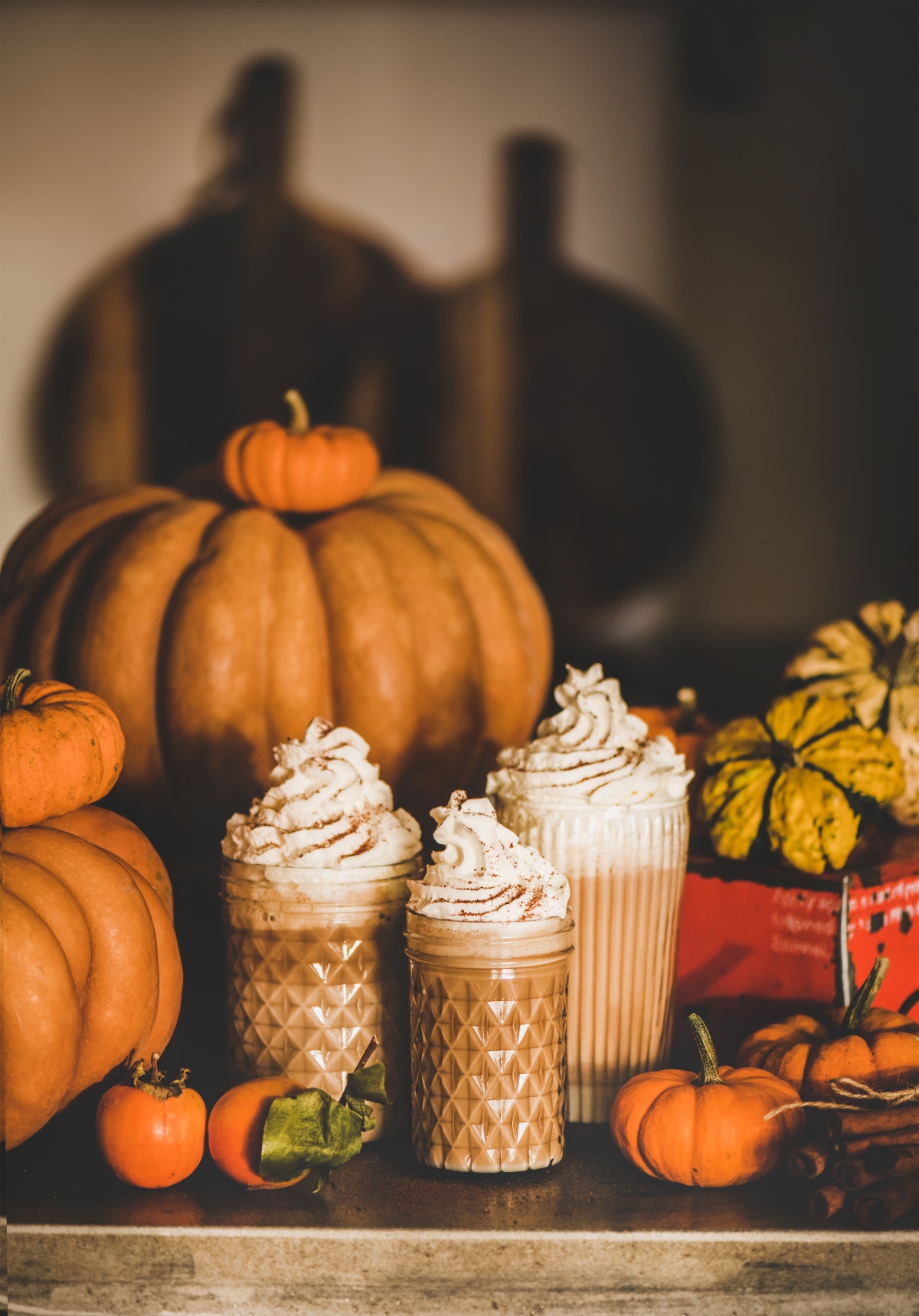
The PSL’s success sparked an expansion that was hard to imagine in its early years.
The flavor began to appear in cereals, breads, cookies, coffee creamer, alcoholic beverages, scented candles, beauty products, and even pet treats.
According to Nielsen figures cited by The Associated Press, sales of pumpkin-flavored products in the United States totaled $802.5 million during the one-year period ending in July 2023.
The figure represented a 42% increase compared to 2019.
Pumpkin spice proved that a flavor can be marketed as a complete experience.
It doesn’t just sell coffee or food: it sells dried leaves, cool days, cozy sweaters, trips to pumpkin farms, and moments of peace and quiet at home.
That emotional connection also explains why brands are launching their products earlier and earlier.
Limited availability creates anticipation and a sense of urgency: consumers know that the flavor will disappear once the season ends.
Loved, criticized, and turned into a meme
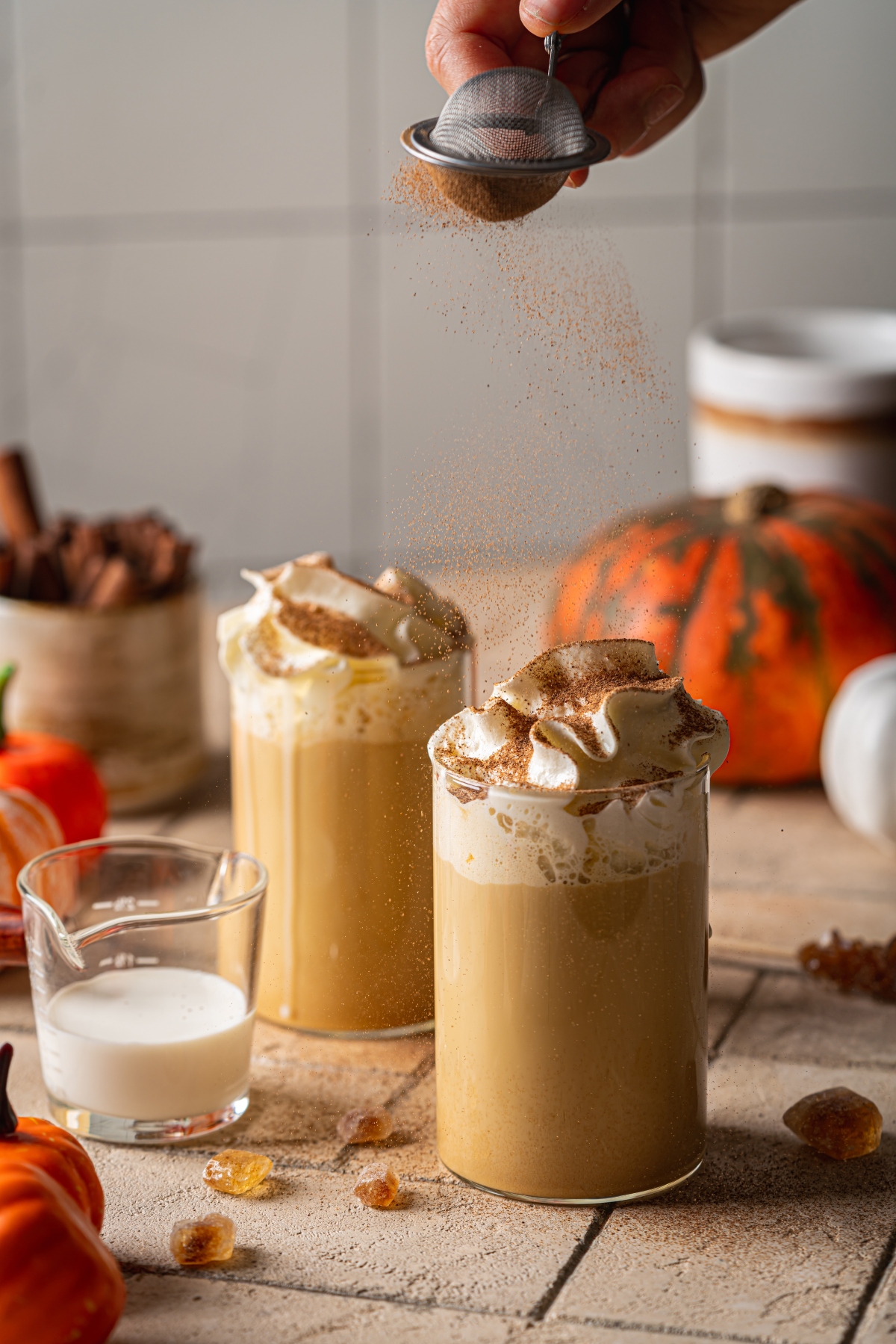
Its popularity has also made the pumpkin spice phenomenon the butt of jokes.
Online, it’s used to satirize an autumnal lifestyle associated with boots, scarves, photos among fallen leaves, and decorations in shades of beige and orange.
However, even the mockery helps keep it relevant.
Pumpkin spice functions simultaneously as a product, a tradition, a meme, and a central element of the so-called “fall aesthetic.”
The digital fascination with fall has found fertile ground on TikTok, Pinterest, and Instagram.
Videos of decorated homes, recipes, cozy coffee shops, and landscapes blanketed in leaves get millions of views because they evoke a sense of nostalgia and comfort.
More Than Just a Passing Trend
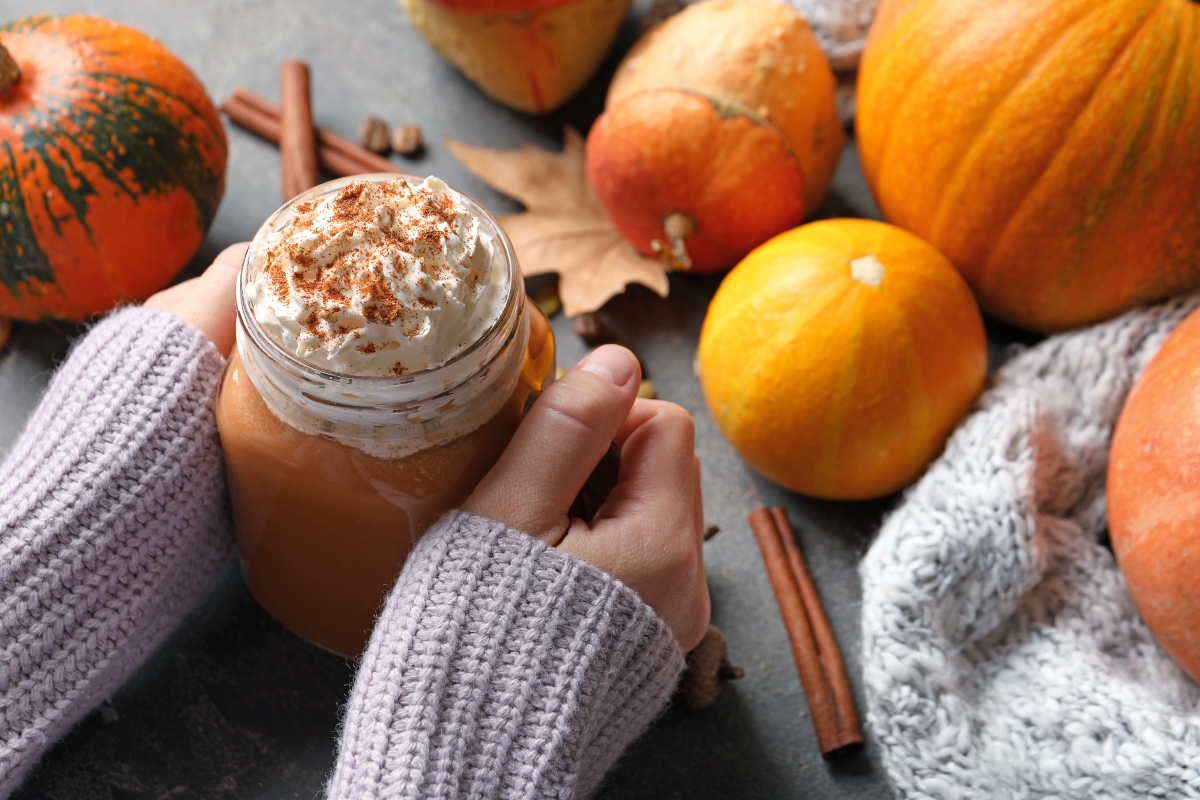
More than two decades after the launch of the Pumpkin Spice Latte, the trend doesn’t seem to be going away anytime soon.
Its enduring appeal lies in the fact that it captured a certain feeling: the excitement of starting a new season.
In the past, fall arrived with the change in weather.
Now it also features ads, special menus, viral posts, and shelves full of orange-colored products.
Pumpkin spice is no longer just a blend of cinnamon, nutmeg, and cloves.
It has become a powerful cultural symbol that encourages us to slow down, seek comfort, and enjoy the little rituals of the season.
And as long as a cup of coffee can still evoke that feeling, the pumpkin spice craze will keep coming back every year.
Filed under: The Pumpkin Spice Phenomenon