Hispanic Heritage Month: 5 Latinos Who Changed Hollywood, Fashion, and Technology
Por Miriam Gonzalez ·
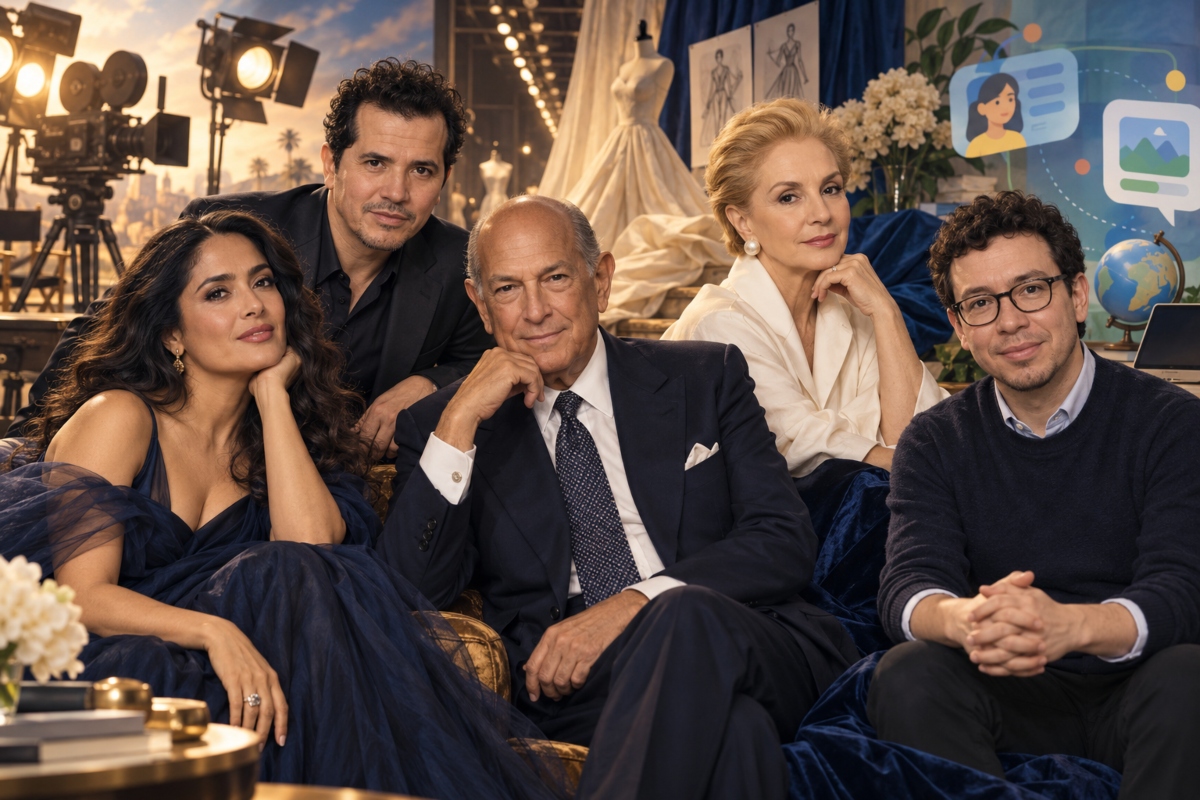
The impact of the Hispanic community in the United States cannot be explained solely by demographic figures. It is also evident in the movies coming out of Hollywood, the designs showcased on the runways in New York, and the apps used daily by millions of people.
During Hispanic Heritage Month, the stories of five immigrants show how the immigrant experience can become a source of innovation, representation, and cultural change. Here are the five Hispanic immigrants who transformed the industry.
Salma Hayek: Challenging the Idea of Who Could Star in Hollywood

Salma Hayek was already a well-known figure on Mexican television when she decided to move to Los Angeles in 1991.
Her goal was to build a film career in an industry where opportunities for Latina actresses were limited and often confined to stereotypical roles.
The Veracruz-born actress found her big break in “Desperado,” but her impact went beyond her success in front of the camera.
For years, Hayek championed the film “Frida,” about the Mexican painter Frida Kahlo, and starred in and produced it.
The film earned six Academy Award nominations.
Hayek was nominated for Best Actress, establishing herself as one of the few Latina actresses recognized in that category.
Her career helped demonstrate that a Mexican actress could star in, develop, and produce stories with their own distinct identity within Hollywood.
John Leguizamo: Making Latino Identity the Star

John Leguizamo was born in Bogotá, Colombia, and moved to the United States with his family when he was a child.
He grew up in Queens, New York, in a multicultural environment that would later become the inspiration for his artistic work.
In addition to appearing in film and television, Leguizamo found in theater a platform to address issues such as immigration, discrimination, family, and Latino identity.
His one-man shows brought to the stage characters and experiences that rarely took center stage in commercial productions.
Over the years, she also became one of the most vocal advocates for greater Latino representation in the industry.
Her work not only opened up new interpretive possibilities: it challenged the notion of who could tell the story of the United States and which communities deserved to be represented in it.
Oscar de la Renta: From the Dominican Republic to the Major Runways
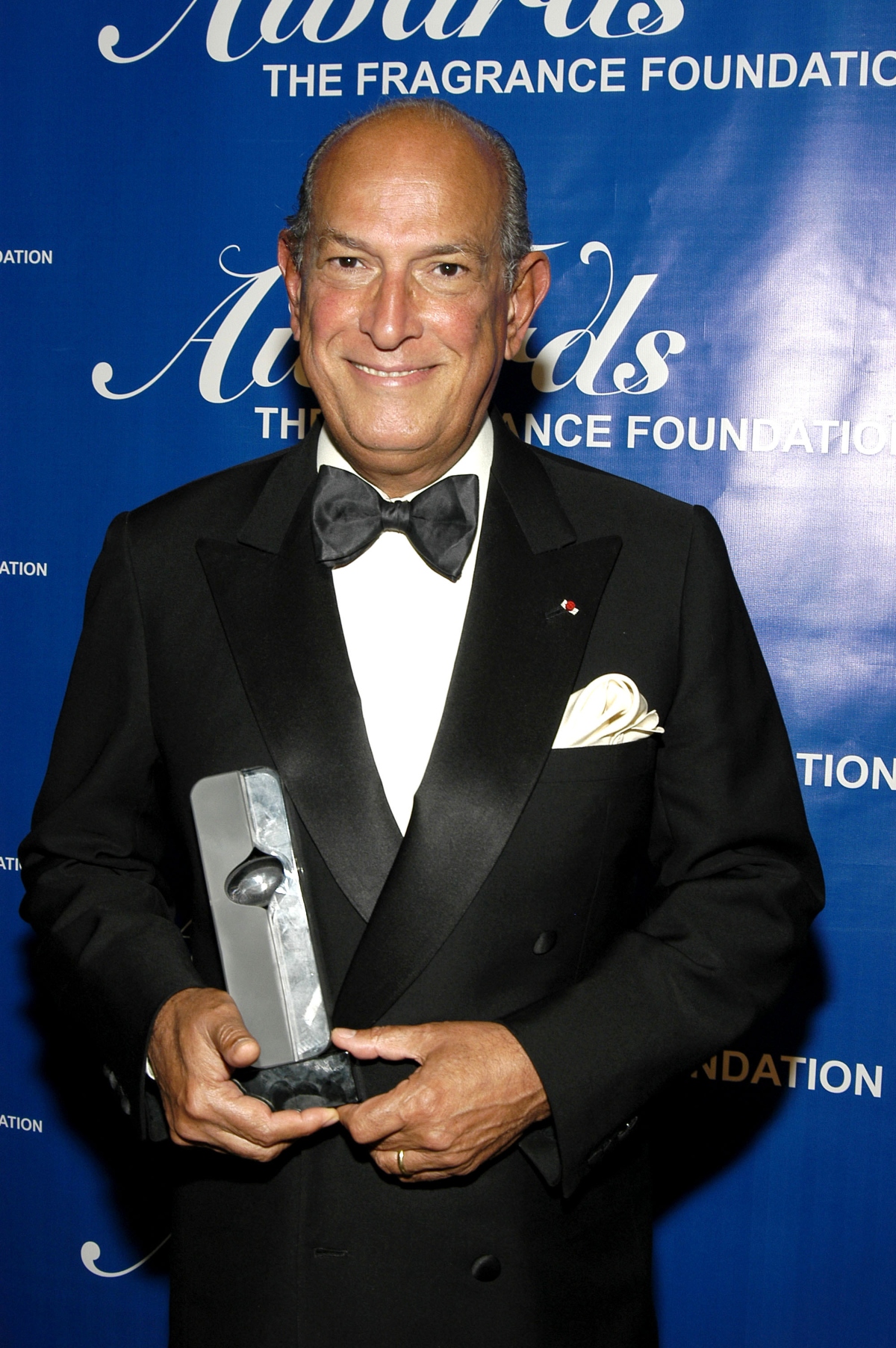
Oscar de la Renta was born in Santo Domingo and left the Dominican Republic at age 18 to study painting in Madrid.
His talent for drawing drew him to the world of fashion and led him to train under Cristóbal Balenciaga before continuing his career in Paris and New York.
In the United States, de la Renta built a fashion house synonymous with elegance, color, and an international vision of luxury. His dresses were worn by first ladies, celebrities, and influential figures from different generations.
The Smithsonian recognizes him as the first Dominican to design for a French haute couture house.
His success turned a Latin American surname into a global household name and paved the way—symbolically—for other Hispanic designers who aspired to compete in the global industry.
Carolina Herrera: A Global Brand Founded in New York

Carolina Herrera arrived in the United States from Venezuela in 1980 with her husband and daughters.
Just one year later, he presented his first collection and launched his brand in New York.
Herrera developed a distinctive style characterized by clean lines, white shirts, and an elegance that blended international influences with the sophistication he acquired during his youth in Caracas.
Her name ceased to represent just a designer and became a global company with a presence in fashion, fragrances, and accessories.
The dress preserved by the National Museum of the Latino American helps document its history as part of the country’s Latino immigration and entrepreneurial experience.
Luis von Ahn: Technology to Democratize Education

Luis von Ahn left Guatemala in 1996 to study in the United States.
After studying mathematics at Duke University, he earned a master’s degree and a Ph.D. in computer science at Carnegie Mellon.
Von Ahn was a pioneer in the development of systems that harness human collaboration on a large scale.
However, his best-known creation is Duolingo, the platform he co-founded in 2011 with the mission of expanding access to quality education regardless of income or place of residence.
The app revolutionized language learning by combining short lessons, game-based elements, and free access via a smartphone.
Carnegie Mellon recognizes him as a pioneer of crowdsourcing, while Duolingo went public without abandoning its free educational model.
His story highlights a different aspect of the impact of immigration: using technology developed in the United States to break down educational barriers around the world.
Five Journeys, an Impact That Transcends Borders
These stories of five Hispanic immigrants who transformed industries are not identical, nor do they fit a single definition of success.
Some began in childhood; others, after a previous career in Latin America or Europe.
All of them, however, show how the experience of migration can enrich the culture and economy of the host country.
The legacy of these five pioneers is reflected in a wide variety of roles, global brands, new narratives, and accessible educational tools.
It also reminds us that Hispanic influence in the United States is not just a thing of the past: it continues to transform the industries that will shape the future.
Filed under: Hispanic immigrants who made a difference