Fall in Style: 7 Plants That Transform Any Garden
Por Miriam Gonzalez ·
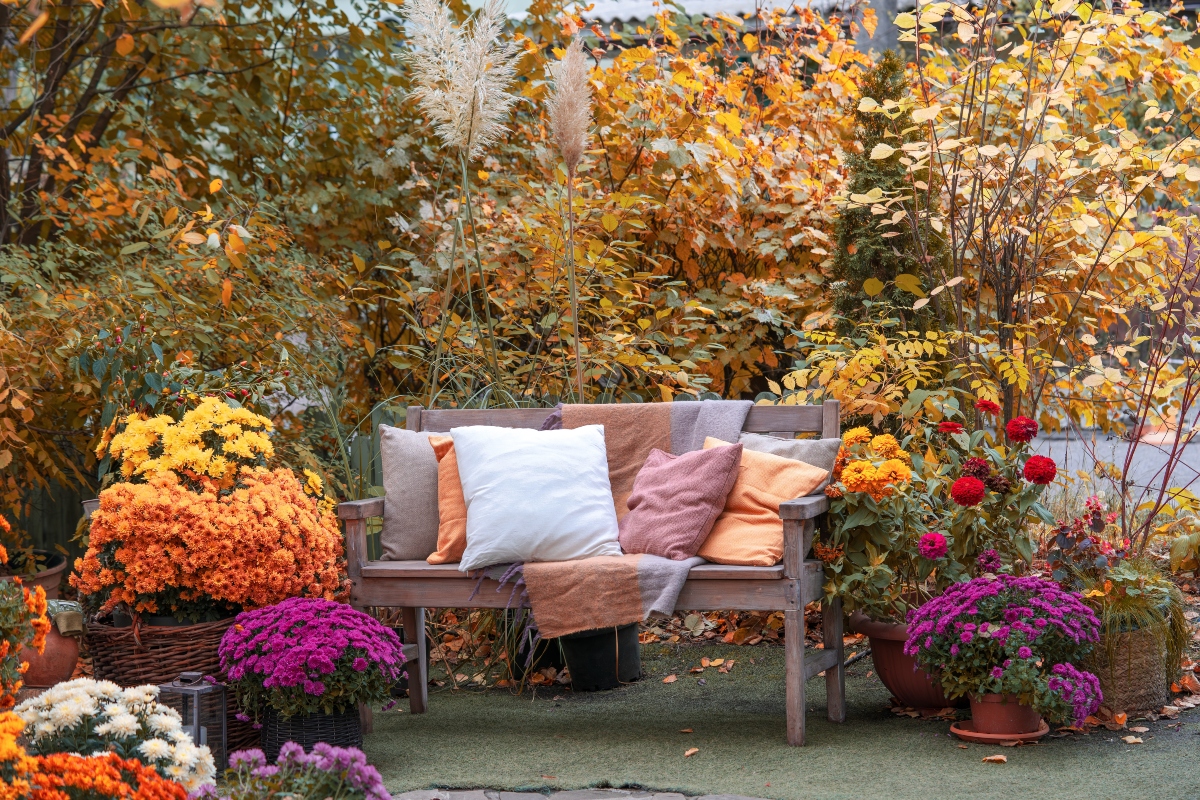
Fall doesn’t have to spell the end of an attractive garden. With a well-thought-out selection of small trees, shrubs, grasses, and seasonal flowers, a yard can take on the sophisticated look of a professionally designed space without requiring a complete overhaul.
Elegant fall plants stand out for more than just their flowers. Their changing foliage, sculptural branches, berries, and dried seed heads add depth and keep the space visually interesting even after the first frosts.
Before purchasing, it’s important to consult the U.S. Department of Agriculture’s hardiness zone map. Each species’ hardiness depends on the region’s minimum temperatures, while factors such as sunlight, drainage, and moisture also determine how well it will thrive. Here are some elegant fall plants that will enhance your garden.
1. Ginkgo ‘Autumn Gold’
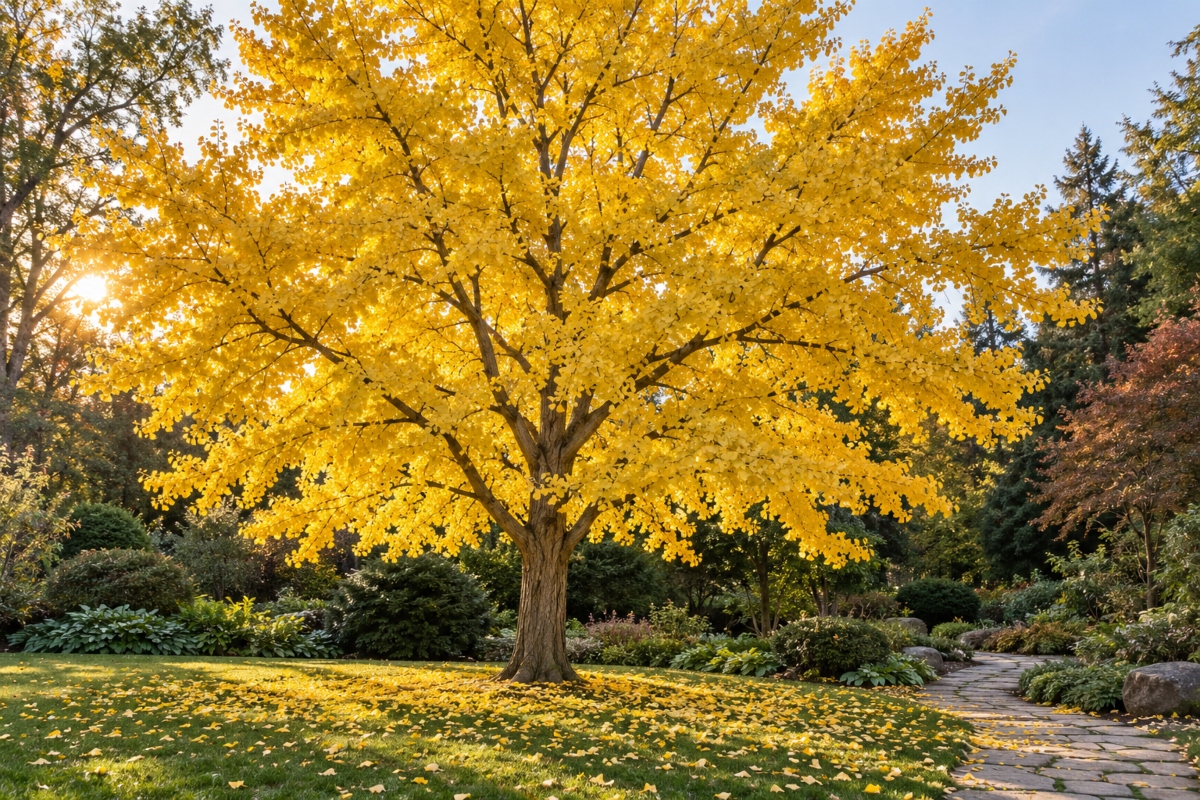
This tree is a long-term landscaping investment.
Its symmetrical canopy and fan-shaped leaves create a sculptural presence, but it truly shines when the foliage turns a deep golden yellow.
Due to its size when mature, it works best as a focal point in spacious gardens and away from structures.
When purchasing, be sure to request a male specimen to avoid the pungent fruit produced by female trees.
2. Hydrangea ‘Quick Fire’
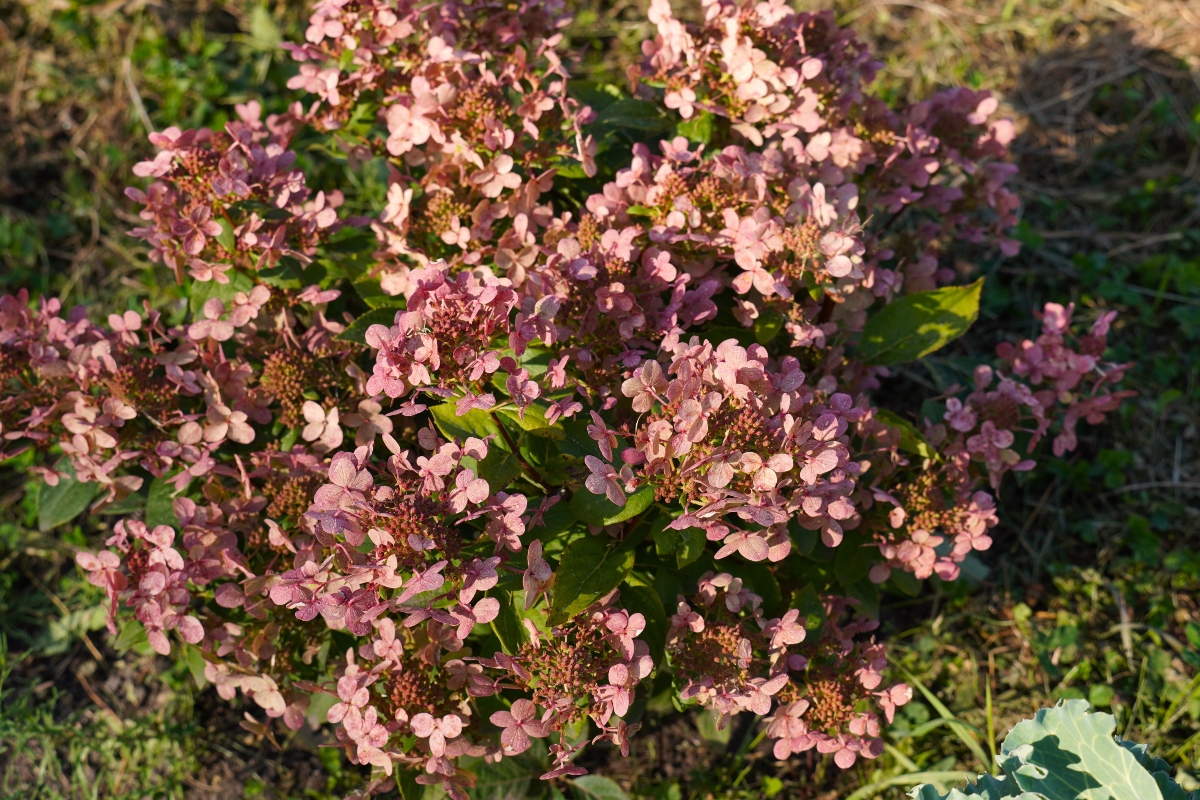
The ‘Quick Fire’ panicle hydrangea offers a particularly attractive transition.
Its flowers change from light shades to pink and reddish tones, while the leaves can take on golden and burgundy hues.
Dried flowers also add texture during the winter.
The University of Minnesota Extension notes that they can be left on the plant until late winter or early spring.
3
. Oakleaf Hydrangea
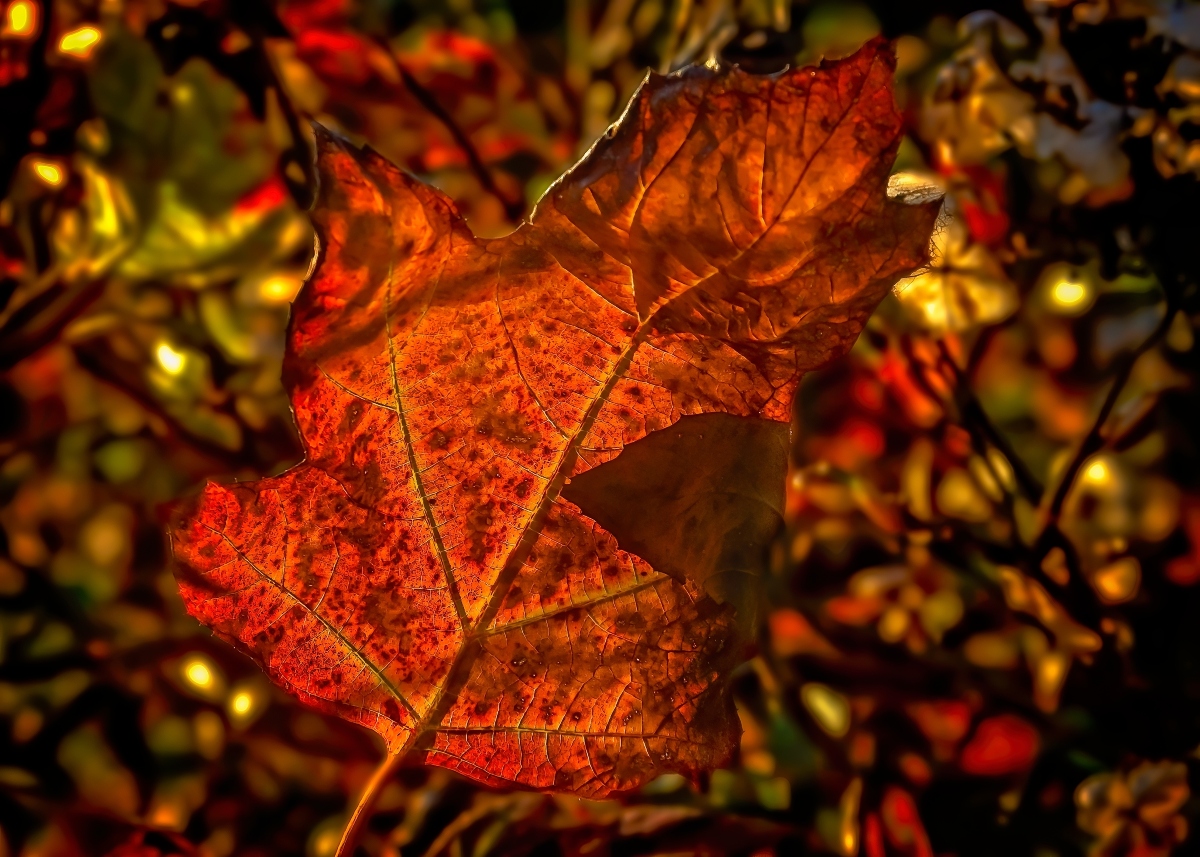
Compact cultivars such as ‘Pee Wee’ combine several valuable qualities: flowers, distinctive foliage, and fall color.
Its foliage can take on shades of red, purple, and bronze, making it a good choice near patios, paths, and driveways.
4. Purple Beautyberry
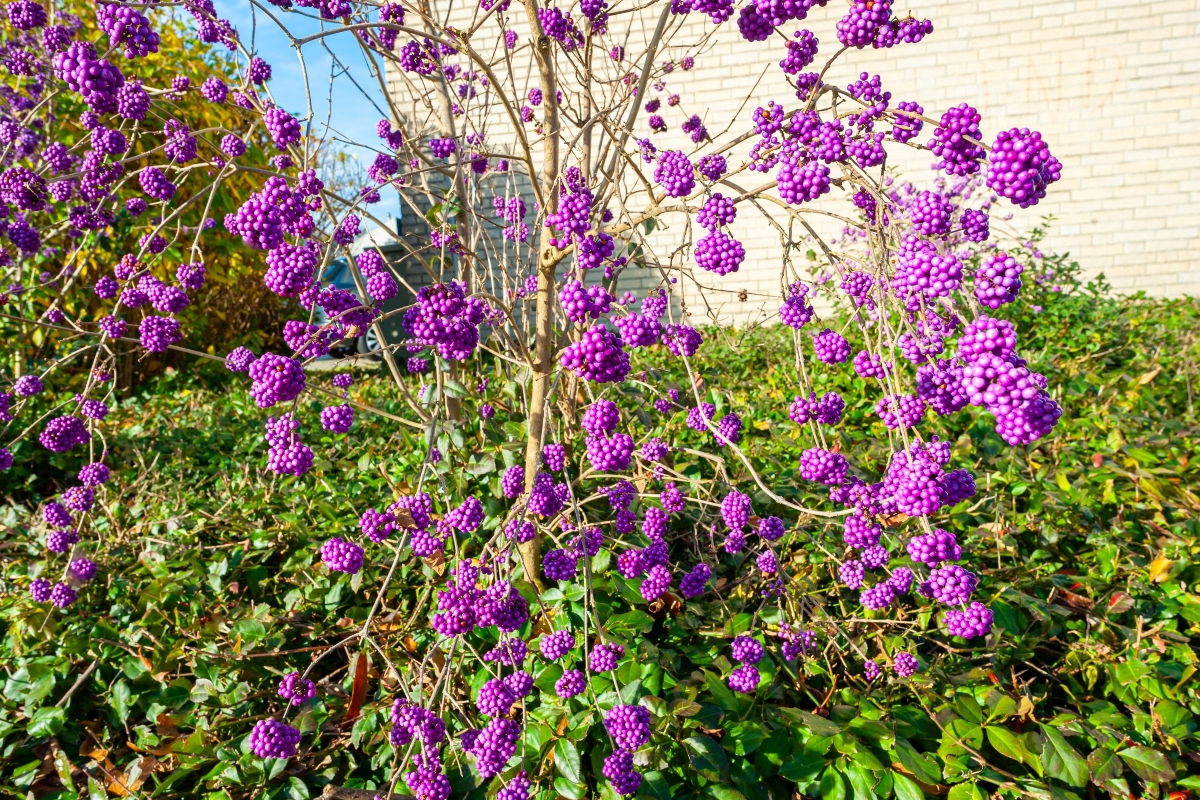
The beautyberry, or Callicarpa, is recognized by its clusters of purple berries, which can become the most eye-catching feature in the garden.
Its color looks especially elegant when paired with dark planters, natural stone, and green foliage.
It’s important to confirm which species or cultivar is suitable for your region, as their hardiness and growth habits may vary.
Texture and movement for a sophisticated design
5. Switchgrass
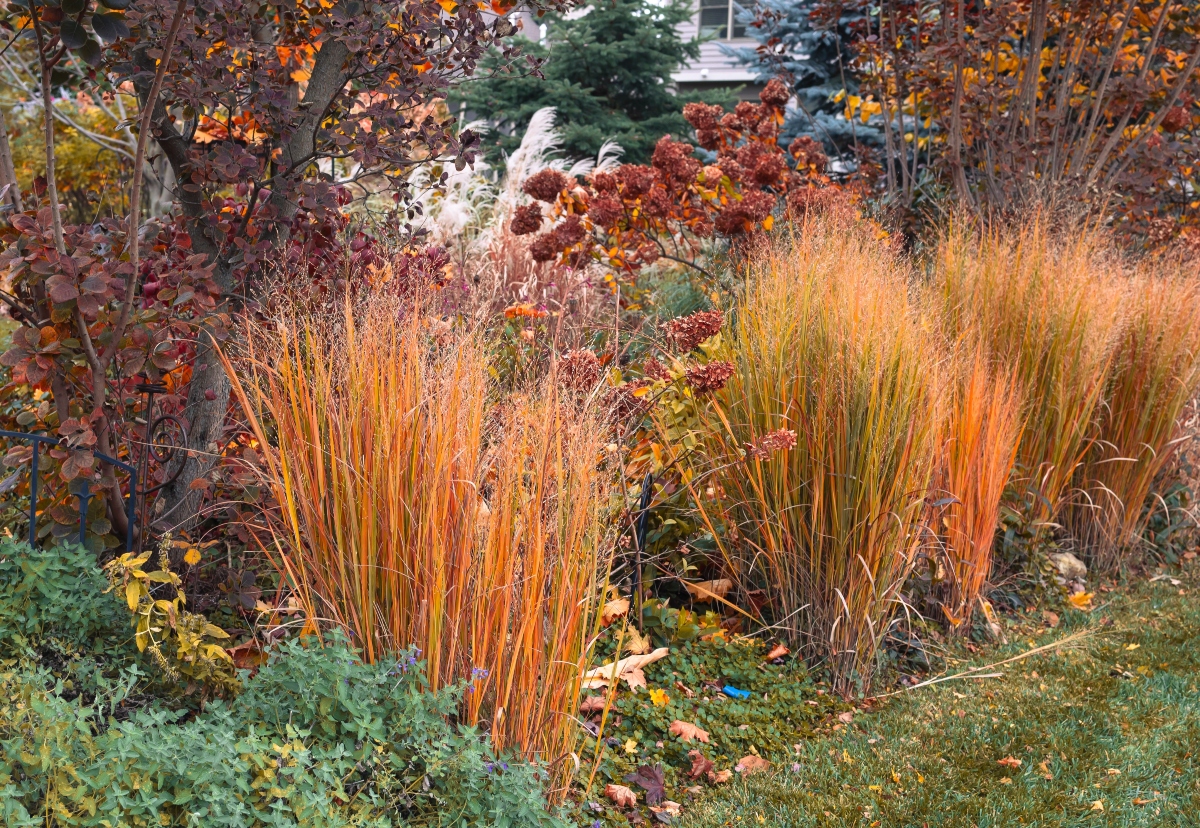
Native ornamental grasses, such as switchgrass, add height, movement, and a light texture.
In the fall, they can take on bronze and purple hues, while their seed heads maintain the garden’s structure through part of the winter.
Instead of planting them as solitary specimens, grouping them in odd numbers can create a more intentional and uniform effect.
6. Native asters
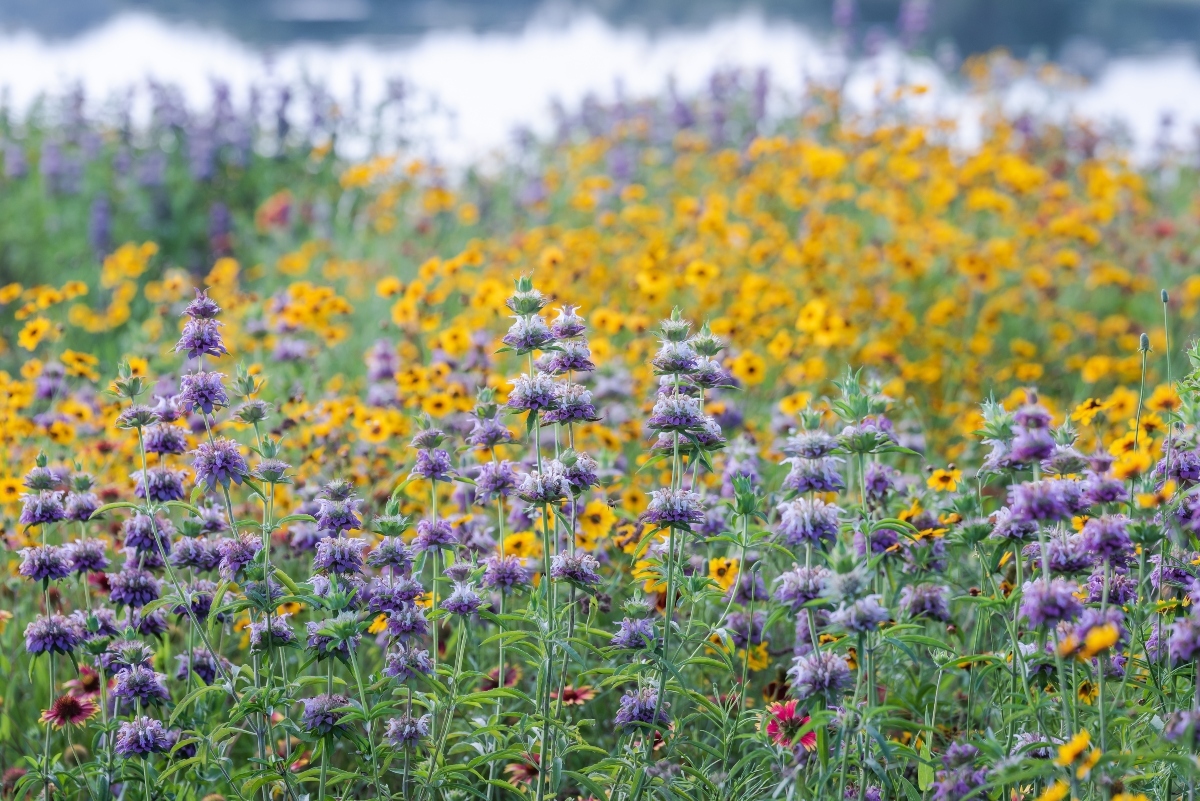
Asters offer purple, blue, pink, or white flowers when many summer plants have already finished blooming.
In addition to adding color, they provide a late source of nectar for bees, butterflies, and other pollinators.
The University of Minnesota Extension recommends planting them in full sun and in well-drained soil.
Compact varieties also work well in containers.
7. Ornamental cabbage, pansies, and violas
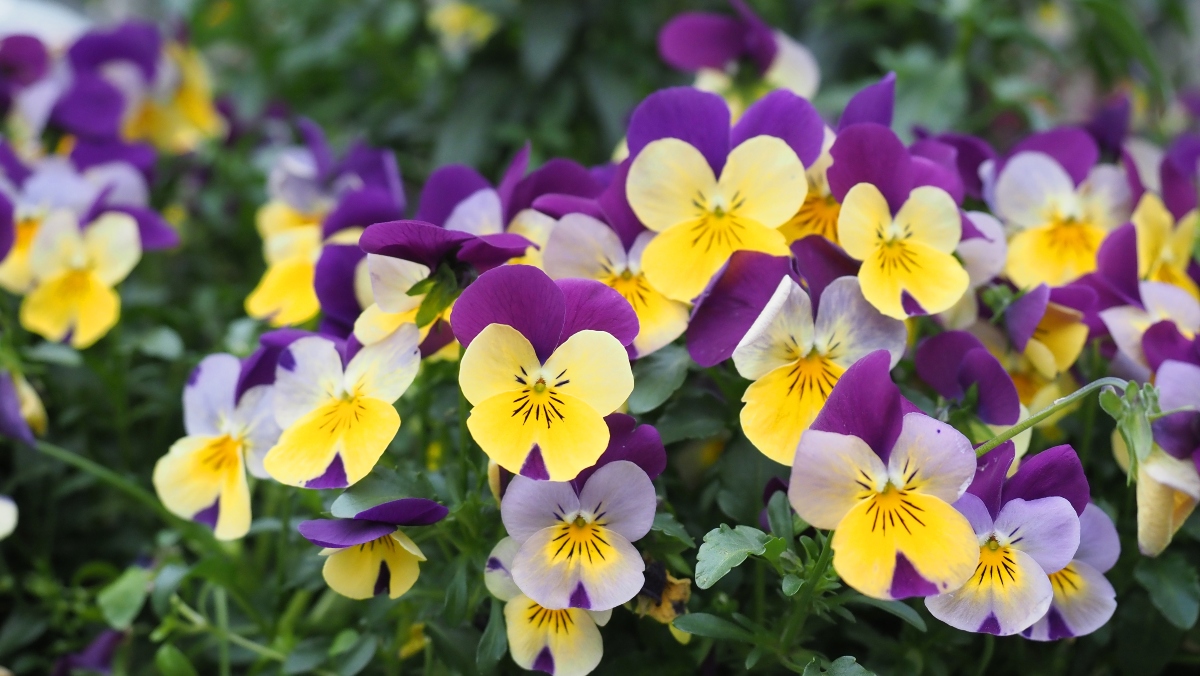
For an immediate change, seasonal plants are a flexible option.
Ornamental cabbage adds volume and shades of green, white, or purple, while pansies and violas tolerate cool weather better than many summer flowers.
The result looks more refined when the color palette is limited to two or three colors and the same combination is repeated across several planters.
How to Achieve a High-End Look
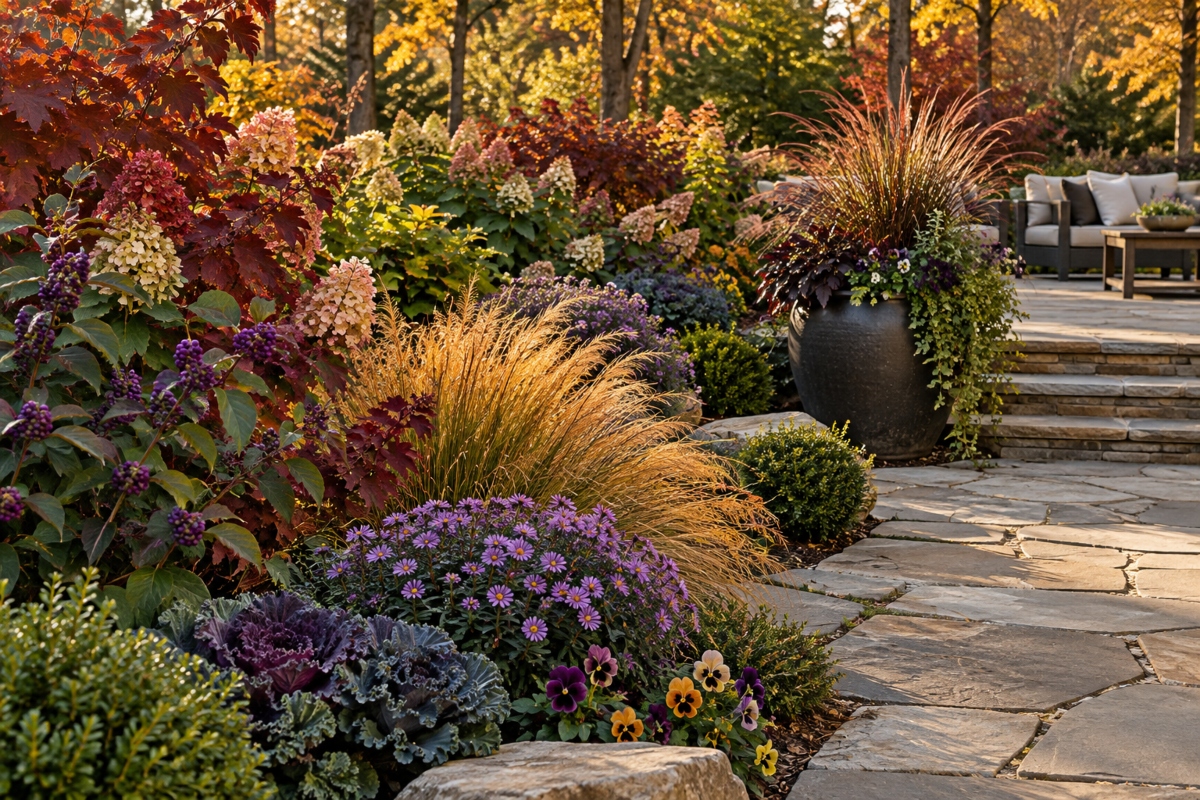
An elegant garden doesn’t have to be cluttered.
A sense of luxury often arises from repetition, proportion, and contrast.
A structural plant can serve as the focal point, accompanied by clumps of low-growing flowers and grasses that soften the edges.
It is also a good idea to choose large containers instead of many small pots, maintain a consistent color scheme, and leave enough space for each plant to reach its natural size.
Local weather conditions should guide the final decision.
A spectacular plant that isn’t suited to the area can quickly turn into an expensive and short-lived purchase.
Consulting a reputable nursery or your county Cooperative Extension office can help you choose species that are appropriate for each region of the United States.
Filed under: Elegant Plants for Fall